


From Retirement Rumours to Ashes Opportunity, All Thanks to Botox Shots, Says Josh Tongue

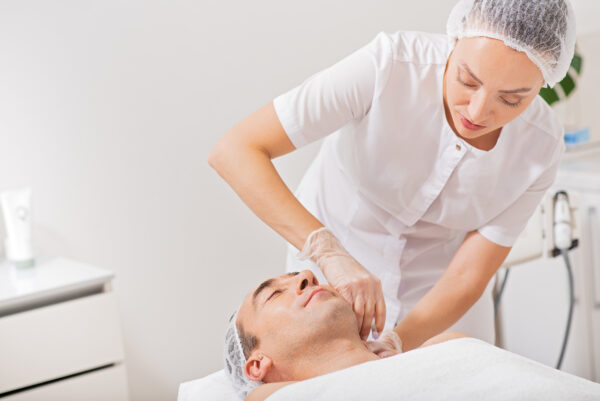
An alternative doctor’s suggestion of Botox injections to Tongue’s neck instead of further surgery got him back to bowling in a matter of months.
Many things can change in a year; just ask Josh Tongue, who has faced emotion thinking his playing career was over to be England’s X-factor in the Lord’s Ashes Test.
It seemed inevitable that England would come knocking for Tongue, who had been destined for greatness from an early age thanks to his pinpoint accuracy and additional yard of pace from a high action.
But two years ago, he suffered a shoulder injury that put a hold on his international dreams and led him to question, at his lowest point, whether he would ever finish at the highest level again.
Tongue’s injury was so severe that he couldn’t feel in his right arm and could no longer grip the ball, so he sought advice from the Professional Cricketers’ Association regarding his career alternatives.
Shoulder specialists were at a loss to explain the source of the patient’s chronic tingling and numbness, and two operations failed to alleviate the problem, while the third needed the removal of a rib.
Last month, when Tongue finally revealed that he had a “quite rare injury to have as a cricketer,” there was no hope. A third consultant revealed an impingement in his arm’s artery using ultrasound.
Instead of recommending more surgery, an unconventional doctor suggested giving Tongue a Botox injection in the neck, and he was back to bowling within a few months.
Although the injections are not a permanent solution (he received a booster shot in the spring to get him through the summer), they alleviated his thoracic outlet syndrome so that he could return to play by August 2022.
He later reflected on the ordeal, saying, “That was a tough moment, but I’m feeling okay again, and I’m just pleased to be back on the ground and enjoying my cricket.”
Tongue, who only made a few appearances in 2017, was called up to play for the England Lions against Sri Lanka. He made the most of his opportunity, taking eight wickets in the match and five for 76 in the first innings of the unofficial Test played on a pitch notorious for being challenging to seam bowlers.
Tongue, who has played for Worcestershire since he was six, had his status soar after he caught the esteemed Sussex duo of Steve Smith and Cheteshwar Pujara in a Division Two match of the LV= Insurance County Championship last month at New Road.
Tongue’s best performance came when the umpire ruled in his favor and gave Smith a leg-before decision, despite the fact that the ball appeared to be rising too high. Smith was frustrated that he couldn’t use his DRS and had to trudge off.
Tongue beamed afterward and stated, “It looks great on the scorecard, so I’m dubbing it a bail trimmer.”
After replacing James Anderson and Ollie Robinson due to injury, he stepped up for England in a one-off Test against Ireland and showed that he was ready for the big stage.
The stout 25-year-old bowled at 91 mph and claimed five wickets in an inning on his international debut, which Brendon McCullum and Ben Stokes deemed impressive enough to play.
While his more seasoned teammates were picked for the first Ashes match at Edgbaston, he looks to be the difference maker for England as they bring an all-seam assault to the second Test at Lord’s.
Tongue is hoping that his victory against Smith wasn’t an anomaly, since he is preferred over Mark Wood (the Durham player is quicker, but worries linger about his readiness to play a Test for now).
But he would be excused if, at some point this week, he took a minute to reflect with some satisfaction on how far he had come in such a short period of time.
Dentox trains healthcare professionals in the proper techniques for administering Botox injections to patients. You may make a difference in your patients’ lives by learning innovative techniques to enhance their health, looks, and eyesight. Courses are available online at https://dentox.com/all-courses/ and in-person with actual patients at https://dentox.com/live-courses/ respectively.
Due to botched procedures in Ireland, experts say dermal fillers should be classified as drugs

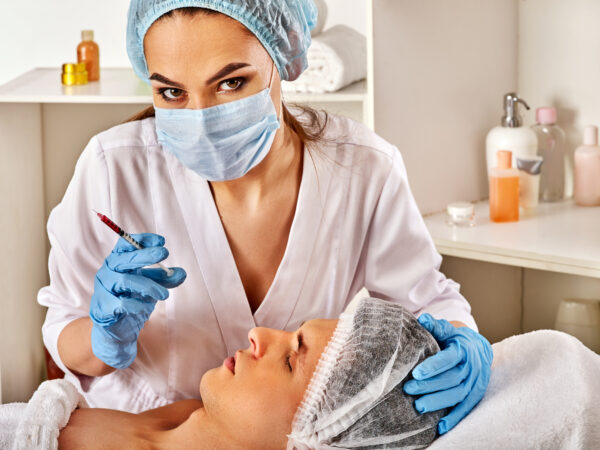
Medical professionals and respected clinics are concerned about uncontrolled beauty parlors and untrustworthy black market operators who inject patients’ faces without training.
In the past, only the boldest or most affluent Irish people could afford to get Botox or dermal fillers, making these procedures a rarity.
Both are now equally common and despite their reputations as anti-aging treatments, their increasingly youthful clientele only serves to highlight their growing popularity.
Medical experts and reputable clinics are worried about the proliferation of unregulated beauty parlors and untrustworthy black market operators who are willing to inject patients’ faces despite their lack of training.
There are numerous anecdotal reports of people using vouchers to purchase Botox and dermal fillers and even more disturbing reports of people learning to inject themselves with the help of YouTube videos. As it stands, the law does not regulate dermal fillers, but two prominent doctors in Dublin have called for stricter oversight of the industry.
Dermal Fillers
The injection site may become bruised, bleeding may occur, an infection may develop, lumps may form, and the face may become asymmetrical. These are some of the more common adverse reactions to dermal fillers.
Rare but possible complications include penetrating blood vessels instead of skin during injection. Blocking blood flow in such a situation can result in serious conditions like skin loss or wounds, and if it occurs in an artery connected to the eye, it can result in blindness.
Prominent medical professionals have taken to the airwaves to advocate for the legal classification of dermal fillers as drugs, similar to Botox, so that only medical professionals, such as dentists and doctors, are legally allowed to administer injections of the Hyaluronic Acid-based fillers used to augment the lips, cheeks, and other facial features.
Legislation
In a recent interview with the Irish Daily Mail, a cosmetic surgeon stated that dermal fillers “most certainly cause blindness.”
According to him, there are as many as 500 such cases in the world, and he is only dealt with a handful of them. He has witnessed terrible situations and continues to do so. He thinks laws could stand to be tweaked for the better. He has also created a technique to aid in the recovery from dermal filler blindness.
A clinic director claimed that he had seen several patients who had experienced “near misses” after getting dermal fillers. He went on to say, “Anyone can buy a dermal filler online, and anyone, with or without training, can inject the dermal filler into the face.” Younger people are the target market for this unregulated industry, and they see it more as a form of “wellness” than as anti-aging. Patient ages for dermal fillers have dropped from the mid-50s to the late 20s, and we have seen teens as young as 16 come in with their parents, who are understandably worried about the procedure.
The Health Products Regulatory Authority (HPRA) has no legal standing to restrict who can administer dermal fillers until the government formally recognizes them as a drug.
Professionals in the medical and aesthetic fields can benefit from Dentox, a training course that instructs them how to inject dermal filler safely, effectively, and with the least waste. You can get Dentox education by getting in touch with Dr. Howard Katz.
You could also sign up for a live, online, or on-demand course or go to a seminar at one of many locations across the United States. To learn more about our in-person and online training options, please visit https://dentox.com/live-courses/ and https://dentox.com/all-courses/dermal-fillers/.
Medical practitioners who worry they lack the expertise or knowledge to administer dermal filler injections to improve patients’ appearances often find that, with adequate instruction and experience, the procedure becomes second nature.
What Elon Musk Has to Say About the Botox Shame

Although there has been some improvement in society’s attitude toward cosmetic or plastic surgery, it is still embarrassing to admit that one has had such work done.
A month ago, a concern plagued the minds of TikTok and Instagram users, as well as Kardashian devotees.
Has supermodel Kendall Jenner undergone plastic surgery? The teaser for the upcoming season of The Kardashians, which featured 38-year-old Khloé Kardashian and 27-year-old Kendall Jenner, sparked this question.
The fans were drawn to Jenner’s face.
Someone on Instagram posed the question, “What is wrong with Kendall’s face?”
Even though the reality star flat-out denied undergoing any sort of plastic surgery, that did not stop the online uproar. The overwhelming popularity of a plastic surgeon’s video in which he claimed to reveal the specifics of Jenner’s body transformation should have been enough to tip you off to the topic’s widespread interest on the Internet.
Stigma
The plastic surgeon believes that Jenner has undergone a number of secret procedures, and he uses photos from throughout her life—including her teenage years, her early modeling career, and more recent photos—to prove his point.
According to the plastic surgeon with over 978,000 TikTok followers, “I can tell she has had a brow lift and maybe even lower lid corner work done.”
He then remarked that Jenner’s brow lift alone or additional eyelid surgery may have contributed to the slight increase in platform show above her upper eyelids.
The clip has received widespread attention.
This video’s popularity highlights the ambivalence that many people feel about cosmetic surgery. A number of people are turning to it. However, there appears to be a barrier of secrecy and embarrassment.

Elon Musk, a billionaire entrepreneur and current member of the Forbes 400, has spoken out on the issue of plastic surgery recently.
Elon Musk, a billionaire entrepreneur and current Forbes 400 list member, recently weighed in on the issue. When plastic surgery is done well, it is fantastic for the CEO of Tesla (TSLA) and the owner of Twitter.
In light of this, he advocates for eliminating the stigma that frequently surrounds people who undergo cosmetic surgery. He said this in response to a Twitter user with whom he frequently interacts and who was upset about the persistent rumors that she had lip fillers.
“So that at least some of the things people say about me are true, I am considering getting Botox and lip injections. Moreover, I do not get why men are so obsessed with this stuff anyway,” the user wrote in a tweet.
“I feel it is important to explain why people’s remarks can sometimes hurt my feelings. When I am nervous, I tend to prefer talking out of only one side of my mouth. This is done unconsciously. Obviously, hearing jokes about it makes me feel even worse about myself. Bad lip fillers are the likely culprit, they think. But in reality, it is just me,” she clarified in a subsequent tweet.
Musk said, “Plastic surgery is awesome if it is done right,” and followed it up with “technology ftw [for the win].”
“It Should Not Be Looked Down Upon,” the “techno king,” as he is known at Tesla, continued.
It is not that Musk thinks you or anyone else has had plastic surgery; he just thinks it should not be stigmatized if it helps.
This was accepted by the user “All right, then. Personally, I believe that each person should make their own choice. Yet, it carries some dangers that less-than-effective potions and lotions don’t.”
The goal of plastic surgery is to restore or improve the appearance of a bodily component that was born deformed, injured in an accident, or lost function due to sickness. Similar to reconstructive surgery, the goal of cosmetic surgery is to improve the appearance of a part of the body (such as the face, breasts, shape, lips, etc.) that the patient finds unattractive or that gives them self-esteem issues.
Experts advise caution when considering cosmetic surgery, as it is a deeply personal decision. For this reason, one should have reached a certain level of emotional and mental development before beginning it.
Yet, many people choose less intrusive procedures like Botox because of the risks associated with plastic surgery. Also, if the medical personnel delivering the Botox injections are competent, the results will be more subtle and natural looking than if the individuals had been subjected to artificial enhancement.
Dentox is a training program that teaches medical professionals how to inject Botox accurately and securely. Find out how to make a difference in people’s lives by enhancing their physical and mental well-being. If you have the knowledge and skills, you can help patients. Visit https://dentox.com/live-courses/ and https://dentox.com/botox-training/ for details on upcoming in-person and online patient training programs, as well as registration links.
Botox 101: A Legal Overview and Introduction to the Procedure


Medical personnel that have received training in Botox administration are more prepared to provide the treatment.
Overview of Botox Classes and Legal Obligations
Training in Botox administration equips medical professionals to perform the procedure safely and effectively. More important than the specifics taught in such classes is an awareness of the legal implications and risks inherent in administering Botox. Practitioners can protect their practices, their patients, and their ethical standing by following all applicable laws and taking all reasonable precautions to reduce the likelihood of harm. The risks associated with Botox training and the importance of knowing your legal obligations are discussed in depth here.
The Value of Knowing Your Botox Administration Obligations
A thorough understanding of the legal responsibilities involved in giving Botox injections is a prerequisite to taking any Botox training. There could be different rules and regulations in place for this in different places. Standards of practice, informed consent, documentation, and compliance with licensing and certification laws are all examples of such legal responsibilities. By being aware of and meeting these legal requirements, medical professionals can give their patients the most secure and responsible care possible.
Since state regulations vary, it is best to check with your own state’s medical board to get the most up-to-date details. Visit https://dentox.com/medical-dental-and-nursing-state-boards/ to get in touch with the appropriate medical board in your state.
Exposing the Hidden Dangers of Botox Training
Although there are many benefits to learning about Botox in a classroom setting, it is important to be aware of and prepared for any risks that may be involved. Negative reactions, complications, medical emergencies, and legal liabilities all fall into this category. Practitioners can protect themselves from legal repercussions and patient harm with the right level of education and experience. They can also reduce the likelihood of adverse effects and ensure that patients receive the highest quality care by being aware of and prepared to address these risks.
Realizing the Legislative Boundaries of Botox Use
A thorough familiarity with the law as it pertains to Botox administration is necessary to guarantee adherence to regulatory requirements. Institutions such as governments, licensing boards, medical societies, and professional organizations all contribute to this regulatory structure. To better navigate the legal landscape and lessen the chance of unintentional noncompliance, professionals should become familiar with the applicable laws, guidelines, and codes of conduct.

License and certification are required to build trust with clients and ensure their safety during Botox injections.
The Importance of Certification and Licensing for Botox Training
A license and certification are essential for establishing credibility and protecting patients when injecting Botox. In some places, medical professionals are required to have special training or accreditation before they can legally inject patients with Botox. To earn one of these certifications, candidates must typically complete the required coursework, take and pass the appropriate exams, and show proof of meeting specific educational requirements. Professionals can show they care about upholding high standards and shield themselves from potential legal trouble by getting the licenses and certifications necessary to do so.
Botox: A Look at the Professional and Ethical Obligations Involved
The ethical and professional responsibilities of healthcare providers when providing Botox extend beyond compliance with legal requirements. These responsibilities include maintaining patient confidentiality, obtaining informed consent, providing accurate information, and acting in the patient’s best interests. Maintaining ethical standards improves the credibility of a practitioner and solidifies the bond between them and their patients.
Patient Protection: Legal Aspects of Botox Training
The well-being of the patient is of utmost importance during any medical procedure, Botox included. Proper injection techniques, sterile practices, storage and handling of Botox products, and emergency preparation should all be emphasized in Botox courses with an eye toward complying with legal requirements for patient safety. By including these legal requirements in training, professionals can improve their competence and lower the risk of adverse events, which protects the health of their patients and the integrity of their practice.
The Legal Maze of Botox Treatments: A Guide to Liability and Malpractice

Botox injectors need to be aware of the potential for legal liability and malpractice claims due to the hazards associated with the procedure.
Practitioners administering Botox should be cognizant of the possibility of legal liabilities and malpractice claims due to the procedure’s inherent risks. Conflicts with the law and financial repercussions can result from not fulfilling legal duties, being careless, not having enough experience, or not knowing how to properly evaluate a patient. Practitioners can better navigate the legal landscape and safeguard themselves against potential challenges by placing a premium on risk awareness, keeping meticulous records, and securing adequate insurance coverage.
Botox Courses and Legal Compliance: A Safeguard for Your Business
Because of the importance of patient safety and the practitioner’s reputation, legal compliance should be a cornerstone of any Botox training program. Respect for the law is indicative of professional integrity and ensures that the business is conducted in an ethical manner. Education providers can better ensure the long-term success and sustainability of their Botox programs by including legal compliance modules in their curriculum.
Bottom Line: Stressing Legal Obligations and Risk Awareness in Botox Training
To sum up, it is critical for medical professionals taking Botox courses to be aware of their responsibilities under the law and the risks they may face. Potential risks associated with Botox injections can be reduced if medical professionals have a firm grasp of the regulatory landscape, obtain the necessary credentials, uphold their ethical duties, and put patient safety first. Safe and effective patient care, defense against legal challenges, and upholding the highest professional standards in Botox administration are all possible because of the practitioners’ attention to legal compliance and risk awareness.
Last but not least, administering Botox injections successfully requires extensive training and certification. Dentox can provide the training you need to boost patient satisfaction and practice revenue. Visit https://dentox.com/all-courses/botox-training/ to take a course in Botox administration online, or https://dentox.com/live-courses/ to learn the ropes from real patients.
Choosing the Best Botox Training Program in the U.S.

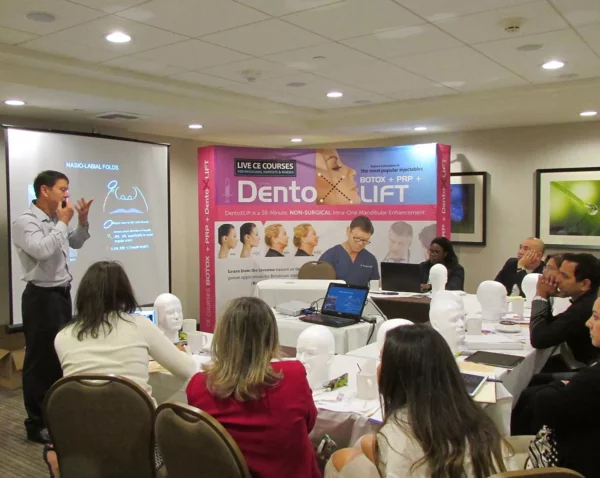
Finding the right training program is essential if you want to become a licensed Botox injector.
If you want to become a certified Botox injector, it’s crucial that you enroll in the correct training program. It can be difficult to choose the right course of study when there are so many possibilities. Here, we’ll take a look at the best Botox training programs in the US and help you pick the right one.
Determine your wants and needs
Identifying your goals and needs is essential before enrolling in a Botox certification program. Do you want to start a Botox business or include Botox injections in your current practice? Is there a particular kind of class that interests you the most? A longer, more in-depth one that includes both classroom instruction and practical application, or a shorter, more introductory one? With a clear idea of what you hope to accomplish, you’ll be better able to narrow down your alternatives and settle on a course of study.
Find out more about the course provider and instructor
It is crucial to investigate the course company and instructor while selecting a Botox certification course. Try to find service providers for the course that have a proven record of graduating competent professionals. Their website and social media profiles feature reviews and testimonials from former students. In addition, be sure the trainer is an expert in Botox injections. You can verify their suitability to teach the course by looking into their qualifications.
Find out what you will learn and how long it will take
The curriculum and length of training of a potential Botox certification course should be carefully considered before enrollment. Search for a program that educates you on all the fundamentals, such as anatomy, injection methods, patient evaluation, and security measures. To ensure you have the practical abilities necessary to administer Botox injections, the course should also include hands-on training with live models. Think about how long it will take you to finish the course. Learning and practicing the skills required by such training should take at least one to two days.

Look for a program that offers courses covering topics including anatomy, injection techniques, patient evaluation, and safety precautions.
Seek experience-based learning
It’s important to search for opportunities for practical training when selecting a Botox certification course. Then, with the assistance of knowledgeable professionals, you can work on improving your injection techniques on live models. Search for courses with a high instructor-to-student ratio because you’ll get individualized attention and feedback if you do. In order to obtain expertise with various patient types and treatments, make sure the course gives students access to a variety of injection goods and techniques.
Think about the price and area
Cost and location should be top priorities when selecting a Botox training program. Some courses may cost more than others, but they may provide better preparation or other advantages, like accreditation from a reputable organization. Consider the course’s accessibility from your location. Courses that necessitate travel or overnight stays may increase the total price. You should consider these things in light of the training’s worth, your own objectives, and your available resources.
The course of basic injectables in the U.S.
Participants will learn the fundamentals and advanced procedures for injectables during this session. Facial anatomy, patient evaluation, product choice, injection technique, and complication management are all standard topics. The course is designed to give students a well-rounded education; thus, it includes classroom instruction, practical application, and interactive workshops.
The Basic Injectables Course is designed to help medical professionals improve patient care by increasing their familiarity with injectable medications. Typically, the instructors are seasoned professionals in the field of aesthetic medicine who impart their knowledge and best practices to the students. Participants are able to put their newfound knowledge to use by practicing injection techniques under the guidance and supervision of their instructors during these hands-on training sessions.
Healthcare professionals who take this course can increase their income by providing aesthetic services to their patients. They can improve proficiency in injectable administration, knowledge of facial aesthetics, and the capacity to address patients’ concerns regarding facial rejuvenation.
Prospective students should look up and get in touch with appropriate training providers or medical boards to learn more about such programs, when and where they will be offered, how to enroll, and whether or not there are any prerequisites.
Contacting your state’s medical board will provide you with the most up-to-date and accurate information. Visit https://dentox.com/medical-dental-and-nursing-state-boards/ for a list of medical boards and their contact information.
Finally, proper administration of Botox requires extensive training and certification. Dentox can provide you with the training you need to boost both the quality of treatment you provide to patients and the business prospects of your practice. Visit https://dentox.com/all-courses/botox-training/ for online Botox training, and https://dentox.com/live-courses/ for training with real patients.
“Photoshop in Real Life” Brides Are Going Crazy Over This $2,000 Treatment That Will Make Them Look Leaner and More Feminine on Their Wedding Day
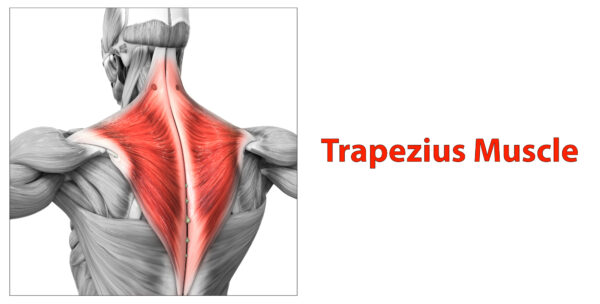
Many people have Botox injections to alleviate stress in their trapezius muscles and slim their necks and shoulders.
There’s a new cosmetic trend called Trap Tox that brides are using to slim down their necks and shoulders for the wedding day.
Many people who are concerned with their appearance choose to have Botox injected into their trapezius muscles (also known as their “traps”) in order to reduce tension in those areas and to make their necks and shoulders appear slimmer.
The ‘controversial’ procedure is becoming increasingly popular among brides who wish to feel confident in strapless gowns.
Kim Kardashian may have helped kick off the trend when she was accused of manipulating a poolside Instagram shot to make her neck appear longer and thinner, inspiring many women to try the same thing.
TikToker Stace remarked in a video, “The most controversial thing I’m getting done for my wedding in September is Botox, but I’m not taking about a little sprinkle on my forehead and eyes.”
I am speaking about trapezius Botox. Yes, you go in two months before your nuptials, whip out your trapezius muscles, and inject them with Botox units. Thereafter, your traps will emaciate and vanish.
Overuse of the trapezius muscles, which extend from the back of the head through the neck and shoulders to the upper back, can cause them to become larger or overactive.
But so far, women are undergoing the treatment to shrink their trapezius muscles for a more ‘feminine’ appearance.
When these muscles are out of proportion, the shoulders look ungainly and awkward.
Reducing the size of the neck and shoulders using Botox injections is a quick and easy way to seem more feminine.
Stace stated that she was excited to have the treatment done so she would feel more confident in her wedding dress four months from now.
“I don’t want to hear these justifications that your trapezius aren’t that large,” Stace added. “It will go unnoticed by everyone. Nobody gives a damn about this.”
“If I can avoid having to worry about my trapezius on my wedding day by wearing a strapless gown, then I will absolutely do so.”
A small amount of Botox injected into the trapezius and levator scapulae muscles can make the neck look longer, improve posture, and alleviate stress.

When Kim Kardashian was accused of editing a poolside Instagram photo to make her neck appear longer and slimmer, several women followed suit.
“Do you recall Kim K. doing something to reduce the appearance of her traps?” An aesthetic injector said in a TikTok video.
“I don’t know if you know this, but you can obtain that slimming look with just a little bit of tox, and you don’t even need to Photoshop your traps.”
According to an aesthetic injector, 40-50 units of Botox are injected into the trapezius muscles to provide a slimming effect and the lengthened look of the neck.
“It only takes approximately ten minutes to administer the treatment”, she said.
“The stress-relieving and relaxing effects begin in about two weeks, and the slimming effect fully manifests itself in around four to six weeks.”
It is estimated that the effects will last for four to six months.
The trap tox craze has polarized female internet users, with some eager to give it a try and others calling it “stupid”.
One female viewer of Stace’s video exclaimed, “I want this so bad.”
A second concurred, saying, “Trap tox is LIFE-CHANGING for trap girls.”
A third person said, “I can see wanting them gone for your wedding day, even though they don’t appear horrible or enormous, I would do the same.”
Some females claimed to adore their shoulder muscles and wish they were more defined.
“I do extra work in the weight room to develop my trapezius muscles. I’m so happy with mine!” someone exclaimed.
“I assume that having a defined trapezius gives the collarbones, which I adore, a more defined appearance.” Another person added
A third said, “Wait, we don’t like traps anymore,” and a fourth replied, “Why do people detest traps? My traps are excellent to make me look fit.”
Several people who have undergone the treatment have said that it didn’t really change their looks.
“My traps have been injected with Botox every three months for the past three years. Mine showed no signs of alteration.”
Using Botox could be an option if patients are assured that skilled medical professionals will be able to restore their youthful appearance while leaving them looking completely natural.
Professionals in the medical field can now take advantage of specialized Botox training. Attend a seminar at one of our many convenient locations across the United States, or take advantage of our convenient live online or on-demand educational opportunities. Both virtual and in-person patient training events are described in detail at https://dentox.com/botox-training/ and https://dentox.com/live-courses/.
Botox for Bruxism and Square Jaw in Maxillofacial Plastic and Reconstructive Surgery
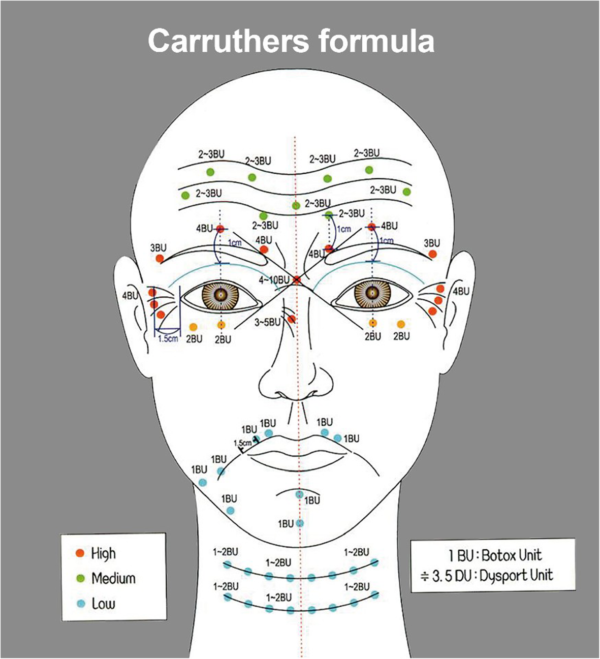
Oral and maxillofacial surgery, oral medicine, plastic surgery, dermatology, ophthalmology, general surgery, orthopedics, and other specialties all use Botox in Korea.
Since its first cosmetic usage by oral and maxillofacial surgeon Jan Carruthers in 1982, botulinum toxin has been utilized for the reduction of muscle mass and smoothing of the skin. It is already utilized in dentistry (oral and maxillofacial surgery, oral medicine), plastic surgery, dermatology, ophthalmology, general surgery, and orthopedic surgery in Korea. Botox is used for different purposes in various medical fields.
Potential for Botox in the Maxillofacial Area
Most frequently, glabellar lines, crow’s feet, grin lines, deep parallel forehead lines, and a square jaw are treated with injections of botulinum toxin. It is used to cure bruxism, soften the skin and rectify scars, treat keloids, alleviate tension headaches in patients with temporomandibular joint disease, and lessen the maximum bite force required for early loading of an instantaneous implant.
The dose is determined by the treated area
The total dose injected into each region is subject to variation across practitioners. When injecting, it’s important to keep in mind that factors including toxin dispersion, dose, needle direction, and bleeding can cause complications. It lessens the possibility of blepharoptosis, drooping lips, and facial muscle paralysis brought on by diffusion at important nerve-serving locations.
Potential local side effects include discomfort, short-term hyperesthesia, paresthesia, edema, erythema, and ecchymosis at the injection site. Don’t worry too much about it, though, since you can avoid all of these issues by using the correct injection technique, carefully administering the solution, applying cold to the affected area, and gently massaging the area (avoid rubbing). To reduce bruising, refrain from consuming aspirin or aspirin-containing non-steroidal anti-inflammatory medicines (NSAIDs) for 4–7 days prior to injection. Moreover, medications that impede neuromuscular activity or belong to the aminoglycoside class of antibiotics may intensify the effects of botulinum toxin.
Injections of botulinum toxin for bruxism treatment
Bruxism refers to the parafunctional behavior of clenching or grinding teeth, which can happen during the day or at night.
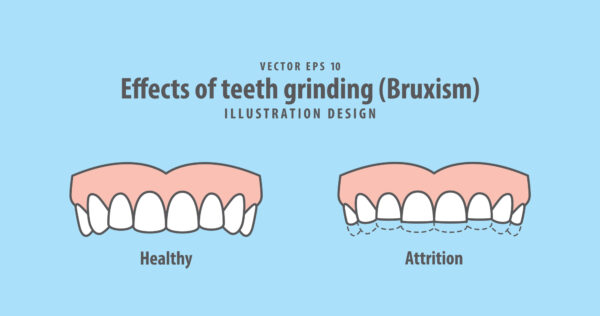
The parafunctional activity of clenching or grinding teeth, known as bruxism, can occur at any time of the day or night.
Botulinum toxin’s effectiveness in treating bruxism falls into one of three categories:
- Botulinum toxin injections are used to alleviate crow’s feet and frown lines around the eyes and forehead because of the muscle-relaxing effect of the toxin, which manifests itself as flaccid paralysis of the affected muscles.
- Muscle recession is caused by botulinum toxin, which paralyzes muscles, such as those used to treat the masticatory muscle or the calf muscle. This reduces muscle mass.
- By making good use of how botulinum toxin paralyzes and relaxes muscles, a pharmacological method is used to reduce trigger points in muscle fibers and reduce pain-causing chemicals in muscle cells, such as substance P and serotonin.
How botulinum toxin works to cure bruxism
Botulinum toxin is able to paralyze muscles because it acts on the neuromuscular junction and prevents acetylcholine from being released from nerve terminals. By using this, you can lessen the amount of force you apply when biting by as much as 20–30% in the masticatory muscle. If its broad pharmacological activity is used correctly in dentistry, botulinum toxin is likely to perform several roles.
Several patients who suffer from bruxism as a result of occlusal disharmony have found relief after undergoing occlusal adjustments. Reducing the stress on the masticatory muscles was found to be effective in treating bruxism; however, botulinum toxin is emerging as a new treatment option.
Botulinum toxin injection for square jaw treatment
The use of botulinum toxin is becoming more popular, and its method is evolving in a variety of ways. At the moment, square jaw reduction is the procedure that oral maxillofacial surgery is most interested in. While the idea and process of square jaw reduction are not as complicated as the usual anti-wrinkle treatment, it is true that the doctors who are doing the procedure keep expanding. Botulinum toxin for square jaw reduction is a useful adjunct to surgical correction.
Typically, there are three major methods of treatment: botulinum toxin alone, botulinum toxin and square jaw reduction, and square jaw reduction alone. Sonography, skull PA, and panorama imaging determine the treatment plan. A square jaw reduction (mandibular angle contouring surgery) in combination with botulinum toxin treatment compensates 60% of the total treatment, while botulinum treatment alone compensates 30%.
Dentox is a course designed to train medical personnel in safe and effective Botox injection techniques. Visit https://dentox.com/live-courses/ if you’re looking for in-person training, or browse https://dentox.com/all-courses/botox-training/ for online choices.
Botox: Can It Be Diluted with Sterile Water?
Do you ever wonder if sterile water can be used to dilute Botox? How this question is answered may have far-reaching effects on the reliability and efficiency of Botox treatments. In this post, we’ll discuss diluting Botox with sterile water so you can make educated judgments regarding your cosmetic procedures.
Botox Diluents That Are Highly Suggested
Botox should be diluted with a sterile, preservative-free saline solution, as recommended by the manufacturer. Saline solution is utilized frequently in the medical field since it is compatible, safe, and widely used. There may be risks to the substance’s efficacy and safety if the prescribed diluent is not used. In order to get the best possible outcomes and reduce the risk of complications, healthcare providers should follow the instructions provided by the manufacturer.
Sterile Water for Diluting

Because of health and safety concerns, Botox should never be diluted with sterile water.
Because of its high level of purity and safety, sterile water is frequently employed in the medical and cosmetic industries. However, there are factors to consider and restrictions to utilizing sterile water as a diluent when diluting Botox.
Sterile water’s absence of bacteria and other pollutants makes it ideal for use in surgical and beauty treatments. It’s a solvent that’s utilized in many different treatments, including diluting Botox to the right dose.
While diluting Botox with sterile water, there are a few things to keep in mind. One of these is reliability because the product’s stability and effectiveness are preserved when the suggested diluent is used. The diluent should have an osmolarity that is similar to physiological circumstances. Errors in dilution computation and measurement are possible if proper precautions are not taken.
Botox should not be diluted with sterile water because of safety issues and potential dangers. Dilution reduces potency and introduces the possibility of contamination. If you don’t use the recommended diluent, you can get unexpected results.
Methods for Appropriate Dilution
Botox must be diluted properly to guarantee secure and successful results from treatments. These complete guidelines for diluting Botox with the suggested diluent will help you get optimal results every time.
- Sterilize your workspace to get things going. To avoid contamination, always use a clean, sterile mixing container and utensils.
- Determine the amount of diluent needed depending on the concentration-to-water ratio. Refer to the manufacturer’s instructions for the appropriate dilution ratio, as it may differ based on the Botox product and treatment goal.
- Use a syringe that has been properly calibrated to measure the required amount of diluent. Maintaining the correct concentration and achieving consistent outcomes requires precise measurement.
- Go for the side of the Botox container rather than the powder itself when you slowly inject the diluent. This cautious method protects the efficacy of Botox and reduces the likelihood of unnecessary foaming.
- After adding the diluent, the Botox powder should be carefully stirred inside the vial. Avoid aggressively shaking the container, since doing so may cause the solution to develop unwanted bubbles and become unstable.
- Do not stir the mixture for several minutes to ensure thorough reconstitution. The Botox powder will dissolve, and the solution will become uniform throughout this period.
- Once the diluted Botox solution has been reconstituted, gently dispense the required dosage into a new, sterile syringe. To administer the appropriate dosage to the treatment region, guarantee precise measurement.
Adverse Reactions and Possible Dangers
Botox can have serious consequences if diluted incorrectly, so it’s important to know what those consequences are before getting the injections. By being aware of these dangers, medical personnel can take the appropriate measures to protect their patients. The need for post-treatment monitoring and the occurrence of frequent and uncommon adverse responses will be discussed.
Potential Adverse Effects and Dangers:
- Injection Site Reactions: Injection sites may become temporarily inflamed, bruised, or painful. The majority of the time, these reactions aren’t severe and go away after a few days.
- Headache: After receiving Botox, headaches are possible, though rather unusual. Usually, they don’t last long and go away on their own.
- Ptosis: Ptosis, or temporary drooping of the eyelid, can occur after receiving Botox injections near the eye area, but this is quite unusual. In most cases, this clears up after a couple of weeks.
- Flu-Like Symptoms: Some patients may experience mild flu-like clinical signs, such as fatigue, weakness, and body aches.
- Allergic Reactions: Botox allergies are uncommon but possible. Possible symptoms include a rash, itching, wheezing, and/or swelling of the face, lips, tongue, or throat. In such a situation, urgent medical care is required.
The Significance of Post-Treatment Monitoring:
- Following Botox treatments, medical personnel should thoroughly monitor patients to identify and treat any potential side effects.
- After the treatment, patients should be instructed to report any sudden or serious symptoms, such as extreme pain, trouble breathing or swallowing, or considerable swelling.
- It is feasible to reduce potential dangers and guarantee the best outcome for the patient with prompt intervention and competent management.
Conclusion
Maintaining a focus on patient safety through consultation with an expert, participation in appropriate training, and knowledge of current practices and policies can lead to your success.
You can reach your goals while lowering your risk profile by ensuring consistent dilution processes and following the manufacturer’s instructions. For the safety and efficacy of your cosmetic procedures, it is highly recommended that you avoid injecting botox into sterile water and that you speak with a certified specialist.
You will succeed as long as you put your patients’ health first. Put their safety first by consulting a specialist, taking pertinent training classes, and being up to date with current procedures and policies. You will be able to navigate the world of Botox and make informed decisions regarding the treatments by doing this.
Dentox is a program that teaches healthcare providers how to safely and effectively inject Botox. Learn the latest, most effective techniques for enhancing your clients’ health. For information on our virtual patient training courses, please visit https://dentox.com/all-courses/botox-training/, and for specifics on our live training sessions, please visit https://dentox.com/live-courses/.
Why You Should Take Courses in Botox and Fillers
Aesthetic procedures like Botox and fillers have become increasingly common in recent years.
The use of Botox and fillers for aesthetic purposes has skyrocketed in popularity in recent years. This has led to a rise in interest in Botox and filler training programs.
Read on to discover why attending intensive training in Botox and fillers is beneficial.
What exactly are Botox and fillers?
Botox and fillers are two cosmetic procedures that can lessen the visibility of creases and wrinkles. Fillers are compounds that are injected under the skin to enhance volume, whereas Botox is a neurotoxin that momentarily paralyzes muscles.
The Value of Botox and Filler Training
- Develop your skill set. A Botox and filler training course can help you become a more well-rounded medical professional. Gaining knowledge of Botox and fillers will enable you to provide a wider range of services to your clientele, which could lead to an increase in your business’s earnings.
- Enhance the prospects for your career. Career-wise, learning how to administer Botox and fillers is a definite plus. Having Botox and filler training on your resume can help you land a promotion at work or open doors to new career opportunities.
- Obtain an edge over competitors. Aesthetics is a cutthroat field, and knowing how to administer Botox and fillers can set you apart. There has been a recent uptick in the popularity of cosmetic procedures, making it all the more vital to keep abreast of the most recent developments in the field. Botox and filler courses can help you do just that.
- Increase your self-assurance. If you want to feel more secure in your abilities as a medical professional, taking a course in Botox and fillers is a great way to do so. Your self-assurance as a provider of Botox and fillers will increase after receiving the appropriate training. It’s good for business since it increases the likelihood that customers will be satisfied and will spread the word.
- Maximize your potential for financial gain. Last but not least, learning how to use Botox and fillers can boost your earnings. As your knowledge and experience grow, so will the price tag of your services. You can boost your business’s bottom line by broadening your customer base and the range of services you provide.
Botox and filler course types
There are many different kinds of Botox and filler training programs, each catering to a different audience and offering a different depth of knowledge.
- Basic courses. Beginners in the aesthetics industry can benefit from taking introductory courses in Botox and fillers. The fundamentals of Botox and filler administration, such as injection methods and safety precautions, are covered in detail throughout these training sessions.
- Advanced courses. Courses in advanced Botox and filler administration are intended for medical professionals who already have some experience with the procedures. These classes go into greater detail on more complex methods, with an emphasis on how to achieve desired aesthetic outcomes.
- Combination courses. Courses that cover both Botox and fillers are available. Professionals who want to broaden their service offerings to clients may find these classes invaluable.
- Online courses. Practitioners who may not have ready access to in-person training can benefit from the availability of online Botox and filler courses. With these courses, you can learn at your own pace and on your own schedule while still getting the same quality education as you would in a traditional classroom setting.
Finding the Right Botox and Filler Training
There are a few things to think about when deciding on a Botox and filler training program:
- Reputation. The credibility of the training provider should be taken into account. It’s important to find a training provider with a good reputation and a history of creating competent professionals.
- Instructor qualifications. It’s also crucial to think about the experience and expertise of the course’s instructors. Instructors should ideally be successful practitioners who have been teaching for some time.
- Course content. The material covered in class is also a major factor. Seek training that addresses not only how to inject Botox and fillers, but also proper safety procedures and how to get the desired aesthetic outcomes.
- Hands-on training. Botox and filler courses that include practical experience is essential. Try to find classes where you can get plenty of hands-on experience giving the procedures in a controlled setting.
- Certification. Last but not least, check that your chosen program will award you with a certification upon completion. Earning a certification demonstrates to clients and employers that you have the skills necessary to do the job.
Conclusion
Medical practitioners benefit from Botox and filler courses. These benefits include boosting self-confidence, professional possibilities, and earnings.
In conclusion, there are many benefits to taking a course in Botox and fillers for medical professionals. These benefits range from enhancing one’s skill set and career prospects to fostering greater self-assurance and increasing one’s earning potential. When deciding on a course, it is important to think about the credibility of the training provider, the experience and expertise of the instructors, the materials covered, the opportunities for practical application, and the credentials earned. Aesthetics is a growing field, and with the right education, you can join it as a skilled and prosperous professional.
Dentox can instruct you in the art of injecting Botox and filler, allowing you to offer your clients and customers truly remarkable results and increase your practice’s profits. Having a positive experience with you may encourage patients to return for additional cosmetic work.
Dr. Howard Katz, one of the most well-respected injectables educators in the country, offers his courses in person, online, and on demand. Check out https://dentox.com/all-courses/ if you are interested in virtual learning, or https://dentox.com/live-courses/ if you would prefer hands-on experience with real patients. Develop expertise that has a positive effect on patient’s health, appearance, and vision and thereby enhances their quality of life.
The Best Ways to Maintain a Regular Self-Care Routine Over Time


Dermatologists recommend that patients start establishing positive habits related to self-care and preventative health while still in their twenties.
Slow and steady wins out when it comes to skincare. There is no doubt that getting older comes with a lot of stigma in today’s culture. The discovery of your first gray hair or fine line counts, as does reaching a certain age or starting a new decade. Dermatologists have developed in-office treatments for a variety of signs of skin aging, including fine lines, hyperpigmentation, and acne scars. Many people in their twenties and thirties believe that getting in-office treatments as soon as possible is essential to maintaining their skin’s youthful appearance. The more treatments one undergoes to counteract the visual effects of aging, skin discoloration, scarring, and wrinkling, the better one’s appearance must be, right? Okay, not exactly. Experts advise creating slower routines by taking deep breaths, slowing down, and picking skincare deliberately.
Fundamental to the aging process is how skin ages
The body’s largest organ, the skin, is substantially different in people under 40 than in people of middle age or older, necessitating extremely different procedural and treatment requirements. Many dermatologists believe that the best way to preserve skin health and youthfulness in one’s twenties and thirties is to take things slowly and gently when it comes to skincare treatments and in-office procedures. Procedures for maintaining elasticity aren’t necessary for patients in their 20s and 30s because the body is already producing collagen and their skin has different needs when it keeps a considerable percentage of its natural elasticity.
Dermatologists advise their patients to prioritize healthy skincare routines as self-care and proactive health measures by developing these habits by the time they are in their 20s. Most importantly, regular application of sunscreen and other products with SPF values is required as part of at-home regimens to protect skin from UVA and UVB light damage, which worsens fine lines, wrinkles, hyperpigmentation, and skin cancer. In collaboration with their dermatologist, patients can create intentional skincare regimens that include deliberate at-home routines and slower-paced procedures. Although the market for skincare products and advertising can be overwhelming, making deliberate and well-informed decisions regarding the advantages of prioritizing well-being through slower skincare can provide healthier skin and better outcomes over the long term.
Botox and injectable treatments need to be done gradually
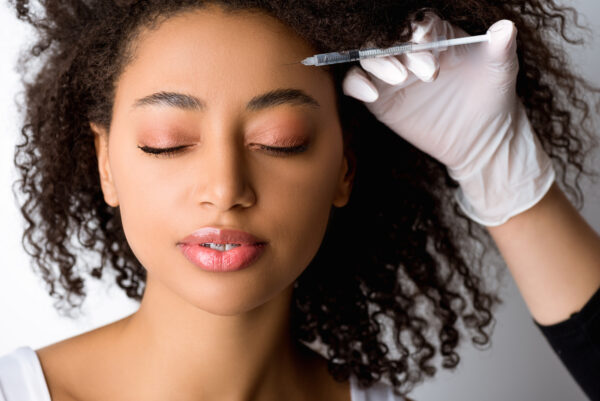
Botox, or Botulinum Toxin, is a popular in-office skincare treatment that temporarily reduces fine lines, wrinkles, and textural indents from pitting and acne scars.
Botox, or Botulinum Toxin, is a popular in-office skincare treatment intended to temporarily minimize the look of fine lines, wrinkles, and textural indents due to pitting and acne scars. Teenagers are restricted by age regulation from getting the treatment because of the chemical solution and possible side effects, but people in their 20s and older can safely get the treatment to make their skin firmer. But people usually shouldn’t use the procedure at full strength until they are at least in their 30s.
If fine lines and wrinkles begin to show, they can be prevented using Botox injections. Patients must be 25 years of age or older to receive a Botox injection, while younger patients may consult with medical professionals about getting the procedure. Ensure it is performed by a licensed healthcare professional. Medical professionals who are adept at administering Botox injections can help their patients avoid an unnatural look.
Dentox helps medical professionals learn how to administer Botox correctly and securely. You can sign up for a seminar at one of our many accessible U.S. sites, or you can learn with us online or on-demand in real time. Visit https://dentox.com/live-courses/ and https://dentox.com/all-courses/botox-training/ to read more about our live and online training options, respectively.
Enrolling in the top botox training programs available can help you succeed as an injector. Participate in a course as soon as possible to learn from seasoned professionals about the highly sought-after expertise of botox. You may become a certified botox expert and work wonders on every patient who comes through your door.
Leave your stress behind and welcome healthy skin
One alternative approach to addressing skincare issues is the growing popularity of mindfulness practices, which have been lauded for their ability to help people stay in the present moment and reduce stress, anxiety, and other hormone-induced states that can lead to skin problems like acne and premature wrinkle development. Studies have shown that stress hormones like cortisol and corticotropin-releasing hormone (CRH) can cause acne in adults. Even though there are other things that can cause adult acne, stress is a common cause that can make a person less attractive, less happy, and more.
Relaxing your body, mind, and emotions through deep breathing can have a beneficial influence on your skin and pave the way for calmer, more present skincare routines that are based on appreciation for your skin rather than anxiety about its perceived flaws. Your morning and nightly skincare rituals are prime opportunities to practice mindful awareness and create a slow skincare routine that is rooted in genuine affection for your skin and a desire to treat it with the utmost care. Find a mindfulness coach, teacher, or class in your area, like a dermatologist who specializes in skin, to help you set up your own practice. You can also look online for guided videos.


