


The Influence of Botox on Professional Success: Exploring Workplace Perceptions


A lot of people are getting Botox because they believe it will do wonders for their professional appearance and career.
In the world of professional appearances, things change slowly. Botox is the latest trend making its way into workplaces. It used to be something only famous people in Hollywood did, but now it’s everywhere. People are choosing Botox because they think it can make them look better and help them succeed at work. This article explores how Botox affects how people are seen at work, looking at what society expects, how social media influences us, and how we present ourselves.
The Rise in Aesthetic Procedures at Work
In recent years, more and more professionals have been getting cosmetic treatments. It seems like the way we think about work and how we look is changing. People are choosing treatments like Botox, laser hair removal, and chemical peels because they’re easy, affordable, and don’t require much time off. Botox is especially popular because it can make you look better, prevent wrinkles without surgery, and work quickly.
Perspectives on Youthfulness and Ability
Studies indicate that in professional environments, older faces might create unfavorable impressions, such as being perceived as less healthy, cognitively sharp, and socially welcoming. The “halo effect,” a mental shortcut where people make decisions based on certain physical characteristics, frequently drives this tendency. People who appear well-groomed usually evoke positive assumptions about their competence, reliability, and skills. Conversely, individuals with older-looking faces may encounter biases regarding their level of ambition and dedication to achieving success. Although these judgments may not always be accurate, they play a role in the growing adoption of non-surgical enhancements in professional settings.
Self-Presentation and Social Media’s Impact
Social media plays a significant role in influencing professional self-presentation and shaping beauty standards and lifestyle trends. Influencers with youthful appearances often promote products aimed at combating signs of aging, positioning Botox as a viable solution. Many of the skincare products advertised on social media tout preventative measures against aging, but few offer quick, tangible results like Botox. With its ability to rejuvenate the skin, smooth wrinkles, and reduce oil production, Botox appeals to those seeking a youthful aesthetic. The resulting perceptions of energy and enthusiasm can positively impact career opportunities and professional networking.
Social Expectations and Gender Inequality
While professionalism encompasses a range of aspects regardless of gender, differences in appearance, especially regarding aging, are apparent. Older men are frequently perceived as seasoned and competent, while aging women encounter expectations to sustain a youthful and appealing look. As women in the workforce grow older, they may encounter remarks about their appearance, prompting many to feel compelled to take action. Non-invasive treatments like Botox provide swift and straightforward options for women aiming to conform to workplace standards and improve their career opportunities.
Alternatives and Professional Advice
Meeting workplace standards involves professionalism and dedication to personal appearance. While Botox and similar treatments provide rapid solutions, adopting basic skincare routines and non-invasive procedures can also enhance one’s overall look. Nevertheless, achieving success in the professional sphere demands more than just physical appearance; it necessitates commitment, a solid work ethic, and ongoing dedication. Individuals should prioritize comprehensive career growth to optimize their chances for progress, understanding that professional competence goes beyond mere physical appearance.
Conclusion
Many older workers aspire to look vibrant and youthful. People feel tremendous pressure from their workplace culture. Their appearance is just as important as their performance on the job. Others resort to aesthetic treatments, such as Botox, to remain competitive, while others just accept the norm and let opportunities pass them by. The procedure takes very little time and is quite inexpensive. It is the responsibility of professionals to initiate a conversation regarding workplace aesthetic requirements. The only way to make the space more welcoming and diverse is to discuss current issues.
Experience the rejuvenating effects of Botox treatment, which can help diminish fine lines, wrinkles, and other signs of aging while enhancing your skin’s suppleness and radiance. With the proper preparation and post-treatment care provided by a trusted practitioner, you can achieve optimal results. Connect with a qualified Botox injector today to explore your treatment options in-depth and schedule an appointment.
For medical professionals seeking to master the art of safe and effective Botox administration, Dentox offers comprehensive training programs. Choose from in-person classes at various locations nationwide or convenient online learning options that allow you to study at your own pace. Visit https://dentox.com/live-courses and https://dentox.com/all-courses/botox-training for detailed information on our live and virtual courses, respectively.
Deciding on Botox Integration in Dental Practice: Advantages and Considerations


Dental offices can provide a wider range of high-quality services when they incorporate Botox treatments.
In the dynamic landscape of dental practice management, owners continuously seek avenues to augment services and establish competitive differentiation. A contemporary approach gaining momentum is the integration of Botox treatments. Initially renowned for its cosmetic indications, Botox demonstrates therapeutic efficacy that aligns closely with modern dental care objectives. Nevertheless, the assimilation of Botox into dental practice entails navigating complexities while capitalizing on its manifold benefits.
Enhanced Comprehensive Care
Dentists, with their intricate understanding of facial anatomy, are uniquely positioned to administer Botox treatments. Beyond its cosmetic applications, Botox exhibits effectiveness in managing medical conditions such as temporomandibular joint disorders (TMJ), bruxism, and migraines—ailments frequently encountered in dental patients. The provision of these services elevates the practice’s standard of care, fostering a holistic treatment paradigm.
Amplified Patient Satisfaction
Incorporating Botox into the practice significantly enhances patient contentment. This integration streamlines care delivery, affording patients the convenience of receiving both dental and Botox interventions in a familiar environment. For patients contemplating Botox, the assurance of receiving treatment from their trusted dentist assuages apprehensions. Moreover, therapeutic Botox for pain management can markedly enhance patients’ quality of life, fostering enduring patient-dentist relationships.
Enhanced Aesthetic Outcomes
In the realm of cosmetic dentistry, the focus transcends teeth to encompass the overall facial aesthetic. Botox serves as a pivotal adjunct in refining smile aesthetics by selectively relaxing facial musculature, potentially augmenting the outcomes of procedures like veneers or teeth whitening. This synergistic approach ensures harmonious results and heightened patient satisfaction.
Attraction of New Patient Demographics
Offering Botox services has the potential to attract diverse patient demographics to the practice. Promoting these services not only retains existing patients with expanded service offerings but also entices new ones who may not have considered dental offices for Botox treatments. This diversification broadens the patient base and amplifies practice visibility within the community.
Augmented Revenue Streams
Strategic integration of Botox fortifies revenue streams with nominal overhead costs. Botox procedures are typically swift and yield substantial returns relative to the invested time and resources. Consequently, they serve as a lucrative addition to dental practices seeking to enhance profitability while ensuring exceptional patient care.
Facilitation of Professional Advancement
Embracing Botox treatments engenders ongoing professional development, facilitating alignment with the latest advancements in dental care. Pursuing training and certification in Botox expands the dentist’s skill set, positioning them as pioneers in the field. This commitment to innovation underscores dedication to patient well-being and distinguishes the practice as a progressive entity.
Challenges to Contemplate
Despite the manifold benefits, integrating Botox services poses challenges. These may encompass navigating certification prerequisites, adherence to state regulations, managing patient expectations regarding non-dental outcomes, and securing appropriate insurance coverage. However, meticulous planning and a proactive stance enable effective surmounting of these hurdles, facilitating seamless integration.
Final Considerations
The addition of Botox treatments enriches the scope and quality of services rendered by dental practices. This expansion not only benefits patients by streamlining care delivery but also propels practice growth and enhances reputation. While challenges abound, the potential rewards render Botox a valuable addition to forward-thinking dental practices committed to expanding offerings and elevating patient care standards.
When deliberating Botox treatment, selecting a provider esteemed for expertise and excellence in cosmetic procedures is paramount. Competent healthcare professionals possess the requisite proficiency to administer Botox injections safely and adeptly. Before embarking on treatment, diligent research on potential providers, scrutiny of reviews, and comprehensive consultations to delineate treatment objectives and expectations are imperative.
Dentox offers a comprehensive training regimen meticulously tailored to educate healthcare professionals on optimal Botox injection protocols and techniques. Their exhaustive online and in-person training modules, accessible at https://dentox.com/all-courses/botox-training/ and https://dentox.com/live-courses/, empower healthcare providers to optimize patient outcomes and satisfaction. Dentox prioritizes patient safety, treatment efficacy, and holistic care, ensuring the delivery of Botox treatments of the highest caliber.
Unlocking Relief: Understanding Botox Injection Treatment for Chronic Migraines


Botox treats migraines by targeting and modulating their causes.
Chronic migraines can cast a shadow over one’s quality of life, affecting not only physical well-being but also mental and emotional health. For individuals grappling with this debilitating condition, relief may seem elusive. However, advancements in medical science have heralded new hope in the form of Botox injection treatment. This comprehensive guide delves into the efficacy, procedure, costs, side effects, and considerations surrounding Botox injections for chronic migraines.
Understanding Botox as a Treatment for Chronic Migraines
Botox, known scientifically as botulinum toxin, is a prescription medicine administered via injections to mitigate the frequency and intensity of migraine episodes. This treatment is specifically tailored for adults experiencing 15 or more headache days per month, with at least eight days displaying migraine features.
Mechanism of Action: How Botox Works for Migraines
The efficacy of Botox in migraine management lies in its ability to target and modulate the underlying mechanisms contributing to migraine attacks. Botox binds to nerve endings surrounding affected muscles when injected into specific sites in the head, neck, and shoulders. Botox effectively relaxes the muscles by inhibiting the release of acetylcholine, a neurotransmitter responsible for muscle contractions, thereby preventing abnormal contractions and spasms associated with migraines.
Cost Considerations: Investing in Relief
It’s important to acknowledge that Botox injections for chronic migraines entail significant financial investment. The cost of each treatment session can amount to several thousand dollars. However, many insurance companies cover these injections for eligible patients who meet specific criteria, such as the frequency and severity of migraine episodes. It is advisable to consult with healthcare providers or insurance representatives to explore coverage options and financial assistance programs.
The Botox Injection Procedure and Expected Results
During the Botox injection procedure, a qualified healthcare professional utilizes a fine needle to administer precise doses of botulinum toxin into predetermined areas of the head, neck, and shoulders. Typically, these injections are administered once every 12 weeks to maintain migraine prevention. Patients may start experiencing relief as early as four weeks post-treatment, with optimal results manifesting around week 24. The frequency of re-treatment sessions will be determined based on individual responses and medical assessment.
Navigating Potential Side Effects
While Botox injections for chronic migraines are generally well-tolerated, patients may experience mild and transient side effects. Common adverse reactions include neck pain, muscular weakness, and temporary eyelid drooping. Communicating any concerns or unusual symptoms to your healthcare provider promptly is essential. They can offer guidance and reassurance, ensuring a safe and comfortable treatment experience.
Considering Botox Injection Treatment: A Personalized Approach
Patients are encouraged to engage in open dialogue with their healthcare providers to determine whether Botox injection treatment aligns with their treatment goals and medical needs. While Botox offers promising relief for many individuals with chronic migraines, it may not be suitable for everyone. Factors such as medical history, existing health conditions, and individual preferences play a crucial role in treatment decision-making.
Exploring Training and Education Opportunities
For medical professionals seeking to expand their expertise in administering Botox injections and dermal fillers, specialized training programs such as Dentox offer comprehensive courses tailored to varying skill levels and clinical applications. Under the direction of well-known experts like Dr. Howard Katz, these programs provide healthcare professionals with the knowledge and abilities necessary to provide safe and effective treatments, ensuring the best possible patient outcomes. You have the freedom to study whenever it suits you best with our online learning options. To learn more about our virtual botox training and live courses, visit https://dentox.com/all-courses/botox-training or https://dentox.com/live-courses/.
In conclusion, Botox injection therapy represents a significant advancement in the treatment of chronic migraines, providing hope and relief to those who suffer from this crippling condition. Individuals can make informed decisions regarding their migraine management journey by understanding the mechanism of action, cost considerations, procedure details, potential side effects, and personalized treatment approaches. Through collaboration with healthcare providers and ongoing education, patients and practitioners alike can navigate this therapeutic landscape with confidence and empowerment, unlocking a brighter, migraine-free future.
The Rise of Male Aesthetics: Exploring Modern Trends


Men are increasingly seeking cosmetic procedures to seem younger and more refreshed.
In modern aesthetics, an increasing number of men are venturing into the realm of cosmetic procedures in pursuit of a more youthful and revitalized appearance. Among the myriad options available, Botox and dermal fillers reign supreme as sought-after solutions for addressing deep lines, wrinkles, and facial volume loss. So, what are the prime choices for men seeking to refine their aesthetic appeal? Let’s delve into the details.
Firstly, it’s crucial to discern between Botox and dermal fillers. Botox, scientifically known as botulinum toxin, operates by temporarily paralyzing the muscles responsible for the formation of wrinkles. It is particularly adept at targeting dynamic wrinkles resulting from muscle movements like frowning or squinting. On the contrary, dermal fillers consist of injectable substances designed to restore volume in areas afflicted by aging-induced volume loss. They serve to fill in deep lines and revitalize facial volume.
Now, where are these treatments commonly directed? Men typically opt for injections in areas such as the forehead to address horizontal lines, the frown lines between the eyebrows (often referred to as “11” lines), the notorious crow’s feet around the eyes, deep lines around the nose and mouth (known as nasolabial folds), and even areas like the cheeks and jawline to achieve a more sculpted appearance.
Let’s dissect some prevalent treatments for men
Botox: This marvel, primarily composed of botulinum toxin, effectively combats wrinkles by inhibiting muscle contractions. It reduces facial lines, particularly on the forehead, between the eyebrows (glabellar lines), and around the eyes (crow’s feet). Botox induces muscle relaxation by blocking nerve signals, imparting a refreshed and youthful aura.
Hyaluronic Acid Fillers: These hydrating agents brim with hyaluronic acid to add volume, smooth wrinkles, and enhance facial contours. They are adept at treating deep facial wrinkles, such as smile and marionette lines, and are instrumental in augmenting areas like the cheeks and lips.
Calcium Hydroxylapatite Fillers: Injecting volume and promoting collagen formation for improved skin elasticity, these fillers play the role of masterminds in the face rejuvenation process. They confer long-lasting results, contributing to a radiant glow over time.
Poly-L-Lactic Acid Fillers: Embraced by men seeking to boost collagen production, these fillers gradually smooth deep facial wrinkles and restore volume. Patience is key with these agents, as results progressively manifest over several months.
Why should men consider Botox and fillers?
Dermal fillers serve as the elixir of youth, replenishing lost volume and smoothing out lines, with results lasting from several months to over a year. Customized treatment plans ensure natural-looking outcomes that preserve masculine features.
Botox is instrumental in mitigating dynamic wrinkles while maintaining masculine expressions. Its quick and convenient nature and minimal downtime make it ideal for busy individuals.
However, it’s imperative to acknowledge the associated risks. From potential injection site reactions to the risk of infection or allergic reactions, caution is warranted. Botox treatments may precipitate temporary muscle weakness or spasms, while fillers could yield lumps or migration if not administered meticulously. Consulting a qualified provider is paramount to navigating these risks and achieving desired outcomes.
Dentox is a training course that teaches medical professionals how to tailor a treatment plan to your specific needs to inject dermal fillers and Botox to give you the results you desire. Reach out to Dr. Howard Katz for more information regarding Dentox programs.
See https://dentox.com/all-courses/dermal-fillers/ and https://dentox.com/all-courses/botox-training/ for dependable training programs. These will give you the tools to succeed and inform you about what’s happening in your industry. Check out https://dentox.com/live-courses/ if you want to learn from real people in real-time.
Botox and filler treatments offer men a gateway to a more confident and youthful appearance. Whether aiming to reverse the effects of time or accentuate natural features, these treatments empower individuals to embark on their aesthetic journey with assurance. Remember, embrace your evolution, and always present your best self to the world!
Debunking Common Misconceptions Regarding Dermal Fillers: An In-depth Exploration


Dermal filler misperceptions can cause people to hesitate about these revolutionary cosmetic treatments.
Misconceptions surrounding dermal fillers often lead individuals to unwarranted fears and hesitations regarding these transformative cosmetic treatments. This comprehensive elucidation aims to dispel prevalent myths associated with dermal fillers while emphasizing their remarkable efficacy and safety. Understanding the realities behind these misconceptions is imperative for informed decision-making and harnessing the full potential of dermal filler interventions.
Myth 1: Dermal Fillers Equate to Botox
One of the prevailing misconceptions pertains to the interchangeable nature of dermal fillers and Botox. Despite their frequent association, these treatments exhibit distinct mechanisms of action and target different cosmetic concerns. Botox, a neurotoxin, functions by inhibiting muscle contractions to diminish wrinkles, whereas dermal fillers volumize tissues beneath the skin’s surface, imparting a rejuvenated appearance.
Reality: A thorough comprehension of the differences in action and treatment goals between dermal fillers and Botox is necessary because both are separate procedures developed to address specific cosmetic needs.
Myth 2: Permanence of Dermal Fillers
A common misconception about dermal fillers is that they are permanent, which can make people afraid that their appearance will be permanently altered after treatment. Unfortunately, a common misconception is that filler injections cannot be reversed.
Reality: The length of the effects of dermal fillers depends on a number of factors, including the filler’s composition, the injection site, and the individual’s metabolism, although, contrary to common assumptions, they are transitory procedures. Fillers made of hyaluronic acid usually last between six and eighteen months.
Myth 3: Dermal Fillers Result in Dramatic Transformation
Another common misunderstanding is that dermal filler treatments will cause noticeable changes to the face. The idea that fillers will make people look unnatural or unrecognizable is terrifying to many others.
Reality: Expert medical practitioners can use dermal fillers to subtly amplify a person’s natural features while highlighting their distinctive facial traits. The ultimate goal is to fine-tune the treatment of aging or flaws proportionally and harmoniously.
Myth 4: Dermal Fillers Only Target Wrinkles
A common misperception confines the utility of dermal fillers solely to wrinkle reduction, overlooking their multifaceted applications in volumetric augmentation and structural enhancement. While wrinkles are a primary concern, dermal fillers cater to a spectrum of cosmetic issues beyond mere line attenuation.
Reality: Dermal fillers serve as versatile treatments for facial rejuvenation, encompassing augmentation of cheek volume, refinement of the jawline, correction of under-eye hollows, and enhancement of lip contours. Additionally, they can be employed for non-surgical nasal reshaping, extending their utility beyond traditional wrinkle management.
Dispelling Exaggerated Risks Associated with Dermal Fillers
While all medical procedures entail inherent risks, exaggerated apprehensions regarding the safety profile of dermal fillers often overshadow their favorable risk-benefit ratio. These therapies are known to be safe when given by trained professionals, yet people may be afraid of the potential side effects and avoid them.
Reality: Dermal fillers are safe for patients when administered by professionals who know what they’re doing. The majority of side effects, including injection site redness, swelling, or bruising, are relatively minor and go away on their own. Compliance with rigorous safety measures and anatomical expertise further reduces the possibility of problems, guaranteeing the best possible patient results.
Democratizing Access: Dermal Fillers Across Age Groups
An entrenched misconception restricts the utilization of dermal fillers to older individuals grappling with visible signs of aging, thereby overlooking their preventive potential in younger demographics.
Reality: Many younger generations are turning to dermal fillers as a preventative approach against the visible signs of aging. The importance of filler treatments as preventative measures is shown by the fact that they can help maintain skin elasticity and postpone the beginning of age-related changes when started in one’s twenties or thirties.
Conclusion
In conclusion, debunking prevalent myths surrounding dermal fillers is essential for fostering informed decision-making and empowering individuals to embrace these treatments confidently. By elucidating the realities behind common misconceptions, we highlight the transformative potential of dermal fillers for enhancing natural beauty and restoring youthful vitality. As advocates of evidence-based cosmetic interventions, we endeavor to dispel unwarranted fears and promote a nuanced understanding of dermal fillers as invaluable facial rejuvenation and enhancement treatments.
Getting injections from a trained professional is your best bet for a risk-free and effective procedure. The well-being of the patients and the success of the treatments they receive are paramount for healthcare providers. Also, a trained filler injector will usually create a unique treatment plan just for you to ensure the results last. Furthermore, consulting with an experienced injector can lessen the likelihood of complications associated with dermal fillers. Putting money into better options can provide outcomes that look natural and give you peace of mind.
The goal of the Dentox program is to educate medical practitioners on how to inject dermal fillers to minimize discomfort and maximize the speed with which patients recover. If you would like to get more information about Dentox, you can consult with Dr. Howard Katz.
Go over https://dentox.com/all-courses/dermal-fillers/ if you want to enroll in a top-notch training program. By participating, healthcare providers can acquire the skills they need to thrive in their careers and keep up with the newest developments in their sector. Anyone interested in engaging in live classes with actual patients can visit https://dentox.com/live-courses/.
When Should You Schedule Your Botox Treatment?


Deciding when it’s time for Botox appointment is a personal choice based on lifestyle factors, aesthetic goals, and personal preferences.
In today’s world, where appearance often plays a significant role in how we perceive ourselves and others, maintaining a youthful and vibrant appearance is a priority for many. As we age, lines and wrinkles inevitably begin to appear, serving as visible reminders of the passage of time. Botox has emerged as a popular and effective solution for those seeking to combat these signs of aging. But how do you know when to schedule a Botox appointment? In this comprehensive guide, we’ll explore the signs that indicate it may be time to consider Botox treatment.
Signs It’s Time for a Botox Appointment
Visible Lines and Wrinkles: One of the most obvious signs that it’s time for a Botox appointment is the presence of visible lines and wrinkles, particularly in areas of repetitive muscle movement, such as the forehead, between the eyebrows (glabellar lines), and around the eyes (crow’s feet). These lines and wrinkles may become more pronounced over time, making them increasingly noticeable and bothersome.
Dynamic Wrinkles: Dynamic wrinkles are lines and wrinkles that appear when you make facial expressions, such as smiling, frowning, or raising your eyebrows. Over time, these dynamic wrinkles can become etched into the skin, even when your face is at rest. If you notice that your dynamic wrinkles are becoming more noticeable or prominent, it may be a sign that it’s time for Botox treatment to prevent them from worsening.
Loss of Skin Elasticity: As we age, our skin gradually loses elasticity, becoming less firm and resilient. This loss of elasticity can contribute to the formation of wrinkles and sagging skin, particularly in areas like the cheeks, jawline, and neck. If you’ve noticed that your skin doesn’t bounce back as it once did and appears lax or droopy, Botox may help improve skin tightness and firmness.
Preventative Maintenance: Botox isn’t just for treating existing wrinkles—it’s also an effective preventative measure for delaying the onset of aging signs. Many individuals in their late 20s to early 30s opt for Botox as a preventive measure to minimize the formation of wrinkles and preserve a youthful appearance for longer. If you’re noticing the early signs of aging or want to address potential problem areas, scheduling a Botox appointment proactively can help you stay ahead of the curve.
Migraine or Excessive Sweating Relief: In addition to its cosmetic benefits, Botox is also FDA-approved for treating chronic migraines and excessive sweating (hyperhidrosis). If you suffer from frequent migraines or sweat excessively despite trying various antiperspirants or treatments, Botox injections may offer relief by blocking the nerve signals responsible for triggering migraines or stimulating sweat production.
Uneven Facial Symmetry: Facial asymmetry, where one side of the face appears differently, can be a source of self-consciousness for many individuals. Botox injections can help address facial asymmetry by relaxing specific muscles to create a more balanced and harmonious appearance. Whether you have asymmetrical eyebrows, lips, or jawline, a skilled injector can customize Botox treatment to enhance facial symmetry and restore confidence.
Boost in Confidence: Ultimately, deciding to undergo Botox treatment is personal and often goes beyond simply addressing lines and wrinkles. For many individuals, Botox serves as a confidence booster, helping them look and feel their best. Find out if your self-esteem is affected by visible signs of aging or facial imperfections. Scheduling a Botox appointment may provide the confidence boost you need to feel more comfortable and confident in your skin.

Your injector will evaluate your issues, discuss your aesthetic goals, and create a personalized treatment plan during your consultation.
Consultation and Treatment Process
If you identify with the signs mentioned above and believe it’s time for a Botox appointment, the first step is to schedule a consultation with a qualified injector. During your consultation, your injector will assess your concerns, discuss your aesthetic goals, and develop a customized treatment plan tailored to your unique needs and preferences.
On the day of your Botox appointment, your injector will carefully administer the injections using a fine needle to target the specific muscles responsible for your concerns. The procedure is quick and typically well-tolerated, with minimal discomfort and downtime. You may experience some mild bruising, swelling, or redness at the injection sites, but these side effects usually resolve within a few days.
Conclusion
Deciding when it’s time for a Botox appointment is a personal decision that depends on individual preferences, aesthetic goals, and lifestyle factors. Botox might be a safe and effective solution if you have visible lines and wrinkles that bother you, want to maintain your appearance, or want to address other issues like migraine headaches or excessive sweating. By recognizing the signs that indicate it may be time for Botox treatment and consulting with a skilled injector, you can take proactive steps to rejuvenate your appearance and restore your confidence.
Botox can make you look younger by smoothing out wrinkles and fine lines and increasing the volume of your skin’s natural glow. It can help reduce the appearance of wrinkles and other age-related issues. Working with a trustworthy provider can help you prepare for treatment and get the care you need. Contact a qualified Botox injector to discuss your treatment choices and schedule a consultation.
Dentox teaches medical and aesthetic professionals how to safely and successfully inject Botox. Our online learning choices allow you to study whenever it is most convenient. Find more details about our live courses at https://dentox.com/live-courses/ or our virtual botox training at https://dentox.com/all-courses/botox-training.
Exploring the Safety of Botox Administration in Breastfeeding Mothers


Understanding the effects of Botox on maternal and newborn health is crucial when considering it during breastfeeding.
The decision to undergo Botox treatment while breastfeeding is multifaceted, requiring a deep understanding of its potential impact on both maternal and infant health. Botox, derived from Clostridium botulinum, operates by inhibiting acetylcholine release at neuromuscular junctions, resulting in temporary muscle paralysis. Despite its widespread use in cosmetic and therapeutic realms, concerns regarding its safety in breastfeeding mothers have sparked discussions and examinations within the medical community. This article endeavors to shed light on the current evidence surrounding Botox administration during lactation, analyzing its potential risks and benefits to guide clinical decision-making.
Mechanisms of Botox
Botox, also known as onabotulinumtoxinA, acts as a potent neurotoxin targeting presynaptic nerve terminals. Upon injection, it binds to synaptic vesicle proteins within cholinergic nerve terminals, halting acetylcholine release. Consequently, neuromuscular transmission is disrupted, leading to localized muscle paralysis. This mechanism underpins Botox’s therapeutic efficacy in addressing various medical conditions, such as spasticity, dystonia, chronic migraine, and hyperhidrosis, and its cosmetic applications in diminishing facial wrinkles.
Post-injection, Botox undergoes absorption into the systemic circulation, with peak plasma concentrations typically attained within 24 to 48 hours. The neurotoxin is then disseminated to target tissues, where it elicits its pharmacological effects. Botox primarily undergoes metabolism by proteolytic enzymes and experiences rapid clearance from the bloodstream, with a half-life ranging from 1.6 to 3.6 hours in adults.
Safety Considerations for Botox Use in Breastfeeding Mothers
The safety of administering Botox during breastfeeding hinges on several critical factors, including its potential transfer into breast milk, the susceptibility of the infant to neurotoxin exposure, and the lack of long-term safety data in this population. While Botox is generally deemed safe when administered via recommended dosages and routes, concerns persist regarding potential risks to breastfeeding infants.
Available data on Botox transfer into breast milk suggests detectable trace amounts of the neurotoxin post-maternal injection. However, the clinical significance of this transfer remains ambiguous, as no reported adverse effects attributable to Botox exposure have surfaced in breastfeeding infants to date. Nevertheless, exercising caution is prudent, particularly in light of limited safety data and the possibility of off-label Botox use in cosmetic procedures during lactation.
Clinical Guidelines and Recommendations
Given the dearth of data on Botox use in breastfeeding mothers, clinical guidelines and recommendations regarding its safety and appropriateness in this cohort vary among professional organizations and healthcare providers. Both professional bodies underscore the importance of individualized risk-benefit assessments for Botox treatment during lactation.
Healthcare providers are encouraged to weigh factors such as the indication for Botox therapy, the severity of the underlying condition, and the infant’s age and health status when determining the suitability of Botox administration in breastfeeding mothers. Close monitoring of maternal and infant outcomes is advised, with particular attention to potential adverse effects or complications linked to neurotoxin exposure.
Conclusion and Future Directions
In conclusion, the safety of Botox administration in breastfeeding mothers remains an ongoing subject of research and discourse within the medical community. While limited data suggest trace amounts of Botox transfer into breast milk following maternal injection, the clinical implications of this exposure remain uncertain. Healthcare providers should diligently weigh the potential risks and benefits of Botox therapy in lactating women, taking into account factors such as the indication for treatment and the health status of the infant.
By enrolling in Dentox training program, healthcare providers can acquire hands-on experience and in-depth knowledge of Botox injection techniques, patient assessment, and safety protocols. Our comprehensive curriculum covers the fundamentals of facial anatomy and advanced injection strategies, ensuring practitioners are well-equipped to deliver safe, effective, and satisfying patient outcomes.
Visit https://dentox.com/all-courses/botox-training/ to find out about all the available online Botox training options. On the other hand, medical professionals who want to learn through practical experience can take advantage of fantastic prospects at https://dentox.com/live-courses/.
The Truth About Botox: Debunking the Myth of Forever Injections

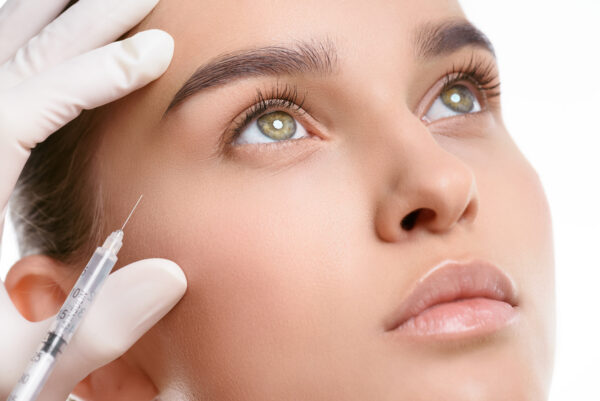
In most cases, the results of Botox last anywhere from three to six months.
Contemplating Botox injections often prompts a pertinent question: Will I need them forever? It’s a valid concern, especially for those venturing into the realm of cosmetic enhancements for the first time. The thought of committing to a treatment regimen indefinitely in terms of time and finances can evoke apprehension. But fear not—let’s demystify the notion of perpetual Botox injections and explore the realities behind this common query.
Understanding How Botox Works
Before delving into the longevity of Botox treatments, it’s essential to grasp how this renowned cosmetic procedure operates. Botox, derived from botulinum toxin, functions by impeding nerve signals to targeted muscles, thereby inhibiting their ability to contract. This muscle relaxation alleviates the appearance of wrinkles caused by repetitive facial movements, yielding a smoother, more youthful complexion.
The Duration of Botox Effects
Typically, the effects of Botox persist for a duration ranging from 3 to 6 months. However, this timeframe is subject to variation depending on things like each person’s metabolism, the treatment area, and the dosage used. As the effects gradually wane, muscle activity resumes, leading to the reappearance of lines and wrinkles.
Maintenance of Botox Results
To sustain optimal results, most individuals find it necessary to schedule Botox injections every 3 to 4 months. Yet, the narrative doesn’t end there. Long-term users often report an extension of the interval between treatments over time—a phenomenon attributed to the cumulative effect of muscle relaxation. The treated muscles weaken with consistent use, necessitating less frequent injections to maintain the desired smoothness. Additionally, Botox can prevent the formation of new wrinkles by mitigating muscle contractions—a practice colloquially referred to as “preventative Botox.”
The Consequences of Discontinuing Botox
Opting to cease Botox injections entails a gradual dissipation of the toxin’s effects, allowing muscle activity to resume naturally. Consequently, lines and wrinkles reemerge as the aging process resumes its course. However, discontinuing Botox does not exacerbate existing wrinkles or hasten the aging process; instead, it permits natural aging to progress from its previous state. Notably, Botox aids in preventing the worsening of wrinkles and inhibits the formation of new ones while undergoing treatment.
Long-Term Benefits of Botox
Scientific research and clinical experience affirm the safety and efficacy of Botox over extended periods of time. In addition to potentially necessitating less frequent treatments, prolonged Botox use may confer a preventative effect against the development of new wrinkles in treated areas, courtesy of reduced muscle activity.
The Freedom to Choose
For those contemplating the cessation of Botox treatments, rest assured that discontinuation poses no adverse consequences. While muscle activity resumes post-treatment cessation, the severity of lines and wrinkles is unlikely to surpass pre-treatment levels. In fact, the skin may fare better than if left untreated, owing to Botox’s preventative properties.
Embracing the Benefits of Botox
Given its widespread use, Botox unquestionably has outstanding anti-aging benefits. However, the notion of committing to lifelong injections need not induce anxiety. You retain the autonomy to discontinue treatments anytime without enduring long-term repercussions on your skin. Whether you’re contemplating Botox or seeking guidance on maintaining results, consult with our experts to address your queries and embark on your aesthetic journey with confidence.
When considering Botox treatment, selecting a provider with a proven track record of expertise and excellence in cosmetic procedures is paramount. Skilled healthcare professionals possess the knowledge and experience to safely and effectively administer Botox injections. Prior to undergoing treatment, it’s crucial to conduct thorough research on potential providers, read reviews, and schedule consultations to discuss your goals and expectations in depth.
Dentox offers an extensive training program designed to educate healthcare providers on the optimal procedures and techniques for administering Botox injections. Explore their comprehensive online and in-person training options at https://dentox.com/all-courses/botox-training/ and https://dentox.com/live-courses/ to empower healthcare professionals to improve patient outcomes and satisfaction. Dentox places utmost importance on patient safety, treatment efficacy, and holistic care, ensuring that patients receive the highest quality Botox treatments.
Deciphering the Relationship Between Microneedling and Botox: Clarifying the Facts

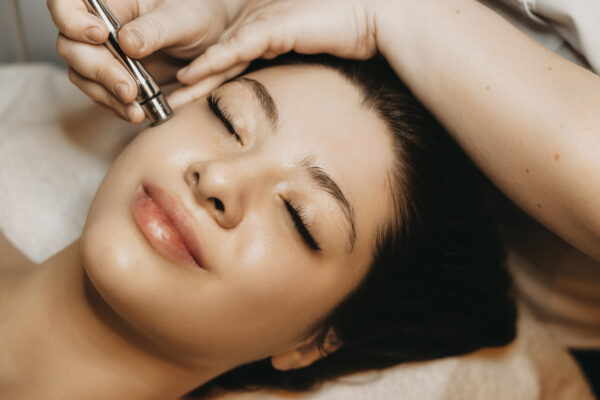
Microneedling should be done a week before Botox injections or two weeks afterward.
In the ever-expanding realm of skincare innovations, microneedling and Botox have emerged as stalwarts, each renowned for their ability to rejuvenate skin and enhance appearance. However, amidst the popularity of these treatments, a pertinent question arises: Does microneedling impact the effectiveness of Botox injections? To address this query, a deeper exploration of existing research and expert opinions is essential.
Microneedling: Understanding the Basics
It’s essential to understand the basics of microneedling before exploring the possible interaction between microneedling and Botox. In order to create controlled micro-injuries on the skin’s surface, a device with fine needles is used in this minimally invasive treatment. These tiny wounds trigger the skin’s innate healing process, which results in the synthesis of collagen and elastin, two proteins that are vital for preserving the firmness and elasticity of the skin.
Microneedling’s versatility in addressing various dermatological concerns, such as acne scars, fine lines, wrinkles, and hyperpigmentation, has solidified its status as a sought-after collagen induction therapy. Its ability to enhance skin texture and tone renders it a valuable tool for individuals seeking to rejuvenate their complexion.
The Microneedling-Botox Dilemma: Analyzing the Evidence
In recent years, speculation has arisen regarding the potential impact of microneedling on the efficacy of Botox injections. While anecdotal reports and isolated studies have fueled this discourse, a definitive consensus remains elusive within the scientific community.
One study suggested a potential decrease in Botox effectiveness when combined with microneedling, prompting concerns among skincare practitioners. However, caution is warranted when interpreting these findings, as the study’s limitations—including sample size and methodology—may not fully capture the intricacies of this relationship.
Despite these preliminary insights, it’s crucial to acknowledge the gaps in existing research and refrain from premature conclusions. The scientific literature on this subject lacks robust, well-designed studies that comprehensively evaluate the impact of microneedling on Botox efficacy, underscoring the need for further investigation to elucidate this complex interplay.
Guiding the Interaction: Expert Recommendations
Given the inconclusive nature of current research, skincare experts advocate for a prudent and strategic approach when combining microneedling with Botox. Careful consideration of treatment timing is paramount to optimize outcomes and minimize potential risks.
Based on expert consensus, scheduling microneedling sessions at least one week before Botox injections or waiting a minimum of two weeks after Botox administration is recommended. This temporal separation aims to maximize efficacy and safety, reducing the risk of unintended interactions between the two modalities.
Individuals can safely enjoy the advantages of microneedling and Botox if they follow the suggested schedule. In addition, it is crucial to build a personalized treatment plan that aligns with individual needs and goals by consulting with an experienced skincare practitioner.
Concluding Remarks: Navigating the Complexity
In the dynamic landscape of skincare advancements, the convergence of microneedling and Botox offers a promising avenue for achieving youthful, radiant skin. While uncertainties persist regarding their compatibility, a nuanced understanding of available evidence and expert guidance can inform informed decision-making.
As research continues to shed light on this intricate relationship, individuals are encouraged to approach the integration of microneedling and Botox with discernment and caution. By collaborating with trusted skincare professionals and staying informed, individuals can embark on a journey towards skin rejuvenation with confidence and clarity.
When contemplating Botox treatment, choosing a provider with a proven history of expertise and excellence in cosmetic procedures is imperative. Skilled healthcare professionals possess the knowledge and experience to safely and effectively administer Botox injections. Before undergoing treatment, it’s essential to research potential providers, peruse reviews, and schedule consultations to discuss your objectives and expectations thoroughly.
Dentox offers an extensive training program to educate healthcare providers on optimal procedures and techniques for administering Botox injections. Explore their online and in-person training options at https://dentox.com/all-courses/botox-training/ and https://dentox.com/live-courses/ to empower healthcare professionals in enhancing patient outcomes and satisfaction. Dentox prioritizes patient safety, treatment efficacy, and comprehensive care, ensuring patients receive the highest quality Botox treatments.
An In-Depth Reference for Optimal Botox Injection Safety and Results
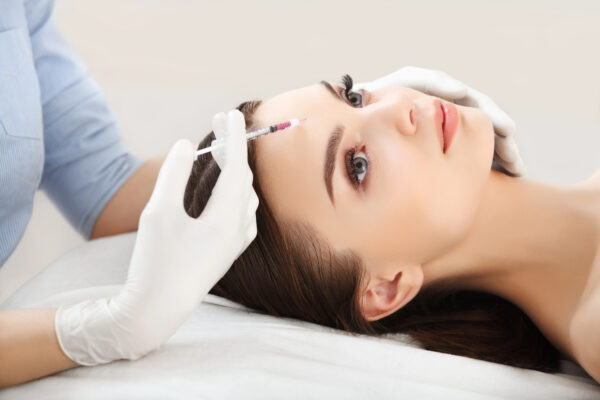
The use of Botox injections to smooth out wrinkles and creases on the face has become more popular in recent years.
Botox injections have grown in popularity in recent years as a means for people to lessen the appearance of facial wrinkles and creases. Cosmetic procedures utilizing Botox have a long history of safe and effective use. The bacterium Clostridium botulinum is responsible for producing the neurotoxic protein known as botulinum toxin, which is the substance’s source. The ability of Botox injections to provide noticeable results with minimal invasiveness and recovery time has led to their immense popularity.
How Botox Works
The action of Botox is to inhibit the transmission of nerve signals to the muscles, thus stopping the muscles from contracting. This movement causes the muscles to relax and the wrinkles to become less noticeable, resulting in the skin’s smoother appearance. Crow’s feet, forehead wrinkles, and frown lines between the eyebrows are some of the most popular regions treated with injections. The method is relatively quick and uncomplicated. Patients often experience signs of recovery anywhere from a few days to a week following treatment, and the effects of the treatment typically last for several months.
Benefits of Botox Injections
One of the primary advantages of Botox injections is their non-invasive nature, allowing patients to resume their daily activities immediately after the procedure. Unlike surgical options, Botox does not require lengthy recovery periods or leave visible scars, making it an attractive choice for those seeking a more youthful appearance without undergoing surgery. Additionally, Botox offers subtle yet effective results, enabling individuals to achieve natural-looking enhancements to their facial aesthetics.
Safety Considerations
Although Botox is generally considered a safe therapy when given by trained experts, it is vital to be cautious and only have skilled practitioners do the treatment. Muscle weakening, drooping eyelids, and uneven facial expressions are some of the adverse reactions that can result from Botox injections that are not delivered correctly. That is why it is so important to talk to a trustworthy professional who can determine if you are a good candidate for therapy and go over the pros and cons with you.
Choosing a Provider
When considering Botox treatment, selecting a provider with a proven track record of expertise and excellence in cosmetic procedures is vital. Qualified healthcare professionals are best equipped to deliver safe and effective Botox injections. Before undergoing treatment, take the time to research potential providers, read reviews, and schedule consultations to discuss your goals and expectations thoroughly.
Dentox provides an extensive training program to educate healthcare providers on the best procedures and techniques to administer Botox injections. Check out https://dentox.com/all-courses/botox-training/ and https://dentox.com/live-courses/ for online and in-person training options to help healthcare professionals enhance patient results and satisfaction. Dentox trains medical professionals to prioritize patient safety, treatment efficacy, and care to ensure their patients receive the best Botox treatments possible.
Conclusion
In conclusion, Botox injections provide a solution that is both convenient and effective in decreasing the appearance of wrinkles and fine lines without the need for individuals to undergo surgical procedures. When used correctly by trained professionals, Botox has the potential to produce effects that look natural, improve facial appearance, and boost confidence.


