


How Jawline Fillers Can Improve a Man’s Appearance


Jawline fillers are becoming increasingly popular as more and more people realize the attractiveness of a sculpted jawline.
Have you ever wondered why certain individuals exude a more pronounced, sculpted look? We explore the use of jawline fillers to enhance and reshape weak jawlines and chins, revealing the secret to enhancing masculine facial features. Explore the captivating allure of jawline fillers throughout this carefully crafted beauty essay.
Exploring the Allure of Men’s Jawline Fillers
Jawline fillers are increasingly sought after by men. These cutting-edge jawline and facial shaping methods provide men with a refined and chiseled look.
Many individuals are recognizing the aesthetic appeal of a well-defined jawline, leading to a growing desire for jawline fillers. They are known for their ability to enhance the jawline without the need for invasive procedures, which adds to their appeal.
Enhancing Weak Chins and Jawlines for a More Defined Look
Addressing concerns with the jawline and chin calls for a new approach. When the chin is not strong enough, it can disrupt the facial contours and make jowls look worse. Having a weak jawline can pose a challenge when trying to achieve the desired angular or profound jawline that is often associated with attractiveness. There is a reason to be optimistic. State-of-the-art techniques can strengthen the bones and enhance the jawline and chin, resulting in a more youthful and appealing appearance. Another option to consider is dermal filler injections. These hyaluronic acid fillers will enhance your facial features, giving you a natural and defined jawline and chin.
A Comprehensive Guide to Injectable Fillers
Dermal fillers made with hyaluronic acid are commonly used to replenish volume, enhance skin fullness, and diminish the appearance of visible lines and creases. Experienced practitioners typically perform these non-surgical procedures using injectables. Prior to commencing any cosmetic procedure, it is advisable to seek guidance from a specialist. However, it is worth noting that dermal fillers have been deemed safe and approved by the FDA.
Modern dermal fillers have the ability to enhance volume, alter facial proportions, and stimulate collagen production. By carefully selecting your fillers, you can effectively enhance the appearance of your face.
Minimizing Downtime, Discomfort, and Unwanted Reactions
Cosmetic procedures can sometimes result in short-term irritation and discomfort to the skin. Rest assured—many people experience improvement within a few hours or days, so view it as a minor side effect. It is important to note that some patients may experience sagging skin around the injection sites during the recovery process. Given the minor and short-lived nature of these side effects, patients can easily return to their regular routines right after procedure.
Appearing Youthful and Glowing
To achieve a more youthful and masculine appearance, the primary objective of an effective therapy is to achieve the most natural-looking results possible. Achieving this objective necessitates a focus on the overall condition of the skin, along with a distinct genetic trait that enhances a fuller appearance. To achieve a more youthful look and enhance your natural features, it is important to maintain facial balance and ensure that any alterations are seamlessly integrated.
Developing an Effective Plan for Achieving Your Desired Appearance
Your injectable filler treatment should align with your desired aesthetic outcomes. An effective routine for strengthening facial muscles and defining your jawline may be a valuable addition to your approach. Only professionals with extensive knowledge of the facial structure should administer jawline filler. It is important to communicate your objectives to your providers. It is important to maintain open lines of communication with your medical team and make necessary adjustments to your treatment plan in order to achieve your desired outcomes. Utilizing their professional knowledge to modify the plan will lead to excellent outcomes.
Exploring Jawline Fillers and Their Alternatives
One method to enhance your appearance is by utilizing jawline fillers. While surgery can be more invasive, some individuals may not feel at ease with the associated risks and recovery period. Many medical aesthetic practitioners opt for dermal fillers and injectables over surgical procedures. When syringes are carefully filled and strategically placed, they result in unique and noticeable shapes. Occasionally, other professionals may recommend alternative treatments.
Comparing the Financial Aspects of Jawline Fillers
Price is an important factor to consider when evaluating jawline-sculpting dermal fillers. Providers typically base their charges on the quantity of syringes utilized. The pricing of these fillers is typically influenced by the syringe they are sold in. The price can vary depending on your state, ranging from $500 to $1500 due to individual needs. It is important to consider the costs of dermal fillers, as they vary depending on the individual needs of each patient.
Maximizing the Effectiveness of Your Jawline Filler Treatments
It is important to ensure that your jawline filler providers fully comprehend your objectives in order to achieve the best possible outcome. Experience a treatment that focuses on achieving a defined and balanced jawline. Experts employ different formulas and syringes depending on the individual’s facial structure.
A consistent skincare routine is essential for preserving the appearance of your jawline following treatment. Ensure optimal hydration and nourishment for your skin to enhance the advantages. Always select experienced individuals to prevent any potential problems.
Dentox is the leading provider of top-notch education and certification in dermal fillers for medical professionals. Our courses are designed to meet the specific needs of medical practitioners who want to enhance their knowledge of facial aesthetics. At Dentox, we prioritize safety, precision, and advanced techniques to ensure that medical professionals are equipped with the necessary knowledge and practical skills to administer dermal fillers effectively. For more information on our dermal filler training, please visit our website at https://dentox.com/all-courses/dermal-fillers/. Dentox also offers a hands-on approach with live patient courses. Check out the website at https://dentox.com/live-courses/ to discover the amazing possibilities.
The Use of Digital Technology in Dermal Filler Procedures is Revolutionizing Aesthetic Treatments


A major breakthrough that has changed the way procedures are thought about, carried out, and encountered is the use of digital technology.
The use of digital technology has emerged as a significant development, revolutionizing the way procedures are conceived, executed, and encountered. The digital revolution has brought about advancements in the discipline of dermal fillers, particularly in procedures for the lips, cheeks, chin, temples, and jawline. These advancements have introduced enhanced levels of precision, customization, and participation by customers, representing a notable progression from traditional methods.
The development of dermal fillers, starting from their early stages to the present day, has been influenced by digital innovation, which has contributed to a more efficient and customer-centered approach in medical care. This shift acknowledges the growing fascination with aesthetic enhancements and embraces the wider trend of incorporating technology into medical services, highlighting a distinctive integration of beauty and innovation.
The Perspective of History on Dermal Fillers
The early 20th century saw the creation of dermal fillers, with the first experiments being conducted with the use of materials like fat and paraffin. Over the course of time, there has been a transition towards more secure and effective alternatives like collagen and, eventually, hyaluronic acid. The reason for the enduring appeal of hyaluronic acid is its inherent compatibility with the body. This evolution can be seen as a continuous effort to enhance security and achieve more desirable outcomes in aesthetic procedures.
Digital Technology Integration in Medical Aesthetics
Digital technology integration has brought about a significant revolution in medical aesthetics in recent years. This includes a broad range of state-of-the-art technology, including virtual reality simulations that enable patients to see possible outcomes and sophisticated imaging methods that support precise treatment planning. New developments in digital technology have improved procedure accuracy, which has raised patient pleasure and confidence.
A Synopsis of Digital Technologies in Aesthetic Procedures
Considerable progress has been made in cosmetic operations with the use of digital technologies. Highly accurate treatment plans can be developed because of the full assessment of the facial structure provided by advanced imaging methods, such as 3D facial scanning. Experts and customers alike can greatly benefit from the possibility that it allows users to visually see the potential results of dermal filler procedures through simulation programs. This enhances comprehension and encourages fair goals.
The Advantages of Digital Technology for Experts and Customers
Experts may now achieve a level of accuracy with new technologies that have made previously challenging procedures more effective and individualized. Customers may find that a program of treatment works that promotes involvement and gives them thorough information. Customers’ pleasure and confidence have been observed to grow as a result of the increased transparency and accuracy.
Improving Customers Outcomes Using Digital Instruments
Customers’ outcomes are significantly influenced by digital tools. They offer the chance for more accurate filler placement, which can reduce the risk of problems and enhance the final aesthetic result. Additionally, the process might be enhanced by these technologies, resulting in a more convenient and easy experience for the patient. The aesthetics industry’s dedication to customer-centered care, inventive progress, and security first is shown in the usage of digital technologies in procedures.
How Plans and Treatment Executions Are Assisted by Digital Tools
Digital tools have enhanced the planning and implementation of dermal filler procedures. Using cutting-edge technology for photography, 3D face mapping allows medical experts to design customized treatment plans by thoroughly examining the patient’s facial anatomy. These instruments are made to produce results that are accurate and visually appealing while also lowering the possibility of issues.
Improving Customers Expertise in using Digital Meetings and Modeling
It has been shown that integrating digital modeling into meetings significantly improves the overall experience for patients. Customers feel more at ease and confident in the treatment when they can envision potential outcomes prior to the procedure and may establish more reasonable expectations.
Enhancing Precision and Security in Procedures
The use of digital tools has significantly contributed to enhanced precision, leading to improved security measures and more favorable outcomes. During procedures, experts are helped by real photography and other technologies that facilitate precise filler placement and lower the possibility of errors.
The Future of Digital Integration with Dermal Fillers
It is anticipated that ongoing developments in technology will further enhance treatment options, making them more personalized, effective, and secure. This continual incorporation has the potential to enhance the science and art of aesthetic procedures, providing a bright future for experts and customers. The use of AI-driven diagnostic tools has the potential to improve the accuracy and customization of dermal filler treatments. It is anticipated that virtual and augmented reality technologies will increasingly be utilized, providing better customer involvement and improved modeling. This process could result in highly personalized treatment plans that take into account the particular facial structure and aesthetic goals of every client. The goal of developing dermal fillers in the future is to advance both the materials employed and the technological advancements that will contribute to more precise, secure, and personalized results for customers.
In summary
Dermal fillers have changed as a result of digital technology, bringing in a new aesthetic period. The accuracy, security, and customer experience of operations have all improved because of technological advancements.
This discipline needs continued innovation to provide more tailored and effective procedures. As we look ahead, cutting-edge technology and aesthetic medicine will merge to create more personalized, efficient, and effective aesthetic procedures.
Dentox offers a program that aims to provide experts with a comprehensive education on the best techniques for giving dermal fillers. Our program is tailored to provide you with the knowledge and skills needed to thrive in the unique realm of aesthetic procedures.
Explore our website at https://dentox.com/all-courses/dermal-fillers/ to gain a deeper understanding of our online course and enhance your knowledge and skills. If you are interested in attending live customer training sessions, we invite you to go to https://dentox.com/live-courses/ for more information and to secure your spot in these transformative sessions.
Would dissolving your fillers be a good idea?

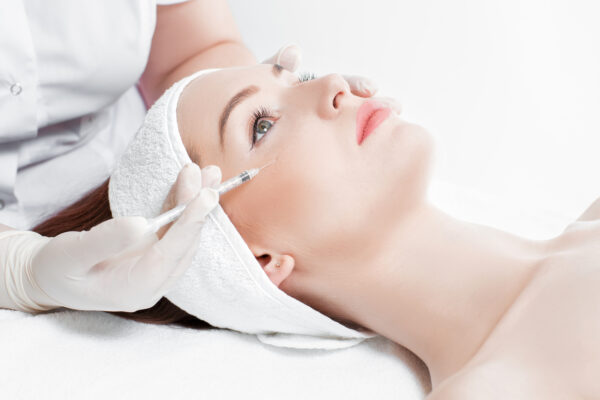
As more and more people are looking for ways to enhance their appearance and restore their youthful, vibrant features, the use of facial fillers has skyrocketed in popularity.
Facial fillers have experienced a significant rise in popularity as individuals seek to improve the way they look and rejuvenate their young and vibrant features. Regrettably, there are cases where people may consider the option of dissolving their fillers for a variety of reasons. These reasons may include changes in aesthetic tastes over time, unforeseen results, health issues, or individual tastes. Regardless of the various factors customers may consider, the final decision rests with every individual, and it is important for them to be well-informed beforehand. In this informative guide, we will provide you with all the necessary information to consider before embarking on the process of dissolving fillers on your own.
An Overview of Hyaluronic Acid Facial Fillers
Facial fillers, also known as dermal fillers, are injectable substances that can be utilized to add volume to the skin, minimize the appearance of wrinkles, as well as improve facial features. Many individuals opt for fillers composed of hyaluronic acid (HA) due to its ability to provide skin with moisture, volume, and elasticity. It is generally considered that our bodies have the ability to efficiently and securely dissolve it. As fillers naturally degrade and are gradually metabolized by the body, it is typically recommended to undergo periodic, yet not overly frequent, renewals.
Factors to Consider Regarding the Dissolution of Facial Fillers
People may choose to have their facial fillers dissolved for a variety of personal reasons. One possible factor to consider is the potential for evolving aesthetic tastes as time passes. As trends evolve and change, individuals may develop a preference for an entirely distinct aesthetic, including less pronounced lips or alterations to other facial features. Dissolving fillers offers individuals the opportunity to explore new possibilities to achieve their desired appearance in a timely manner without a lengthy waiting period.
Challenges in Medical Conditions and Urgent Intervention
In some cases, people may occasionally encounter health risks associated with facial fillers. There can be certain challenges related to the usage of fillers, such as the possibility of migration or unintended injection into blood vessels, potential allergic reactions, and the rare occurrence of tissue loss or temporary vision impairment if fillers inadvertently penetrate blood vessels. In urgent situations, it is often necessary to promptly administer the hyaluronidase enzyme, which aids in the breakdown of hyaluronic acid, to enhance both safety and efficacy. It is important to consider having licensed medical professionals carry out such procedures in order to prioritize safety and effectiveness.
What are some methods for safely removing facial fillers?
The process of removing hyaluronic acid from facial fillers involves the administration of hyaluronidase through injections into the targeted area. Hyaluronidase is a substance that aids in the breakdown and digestion of hyaluronic acid found in fillers, allowing your body to naturally process and eliminate these particles over a period of time. The dissolution of fillers can have varying implications, which may be experienced immediately or over time. These impacts can be influenced by variables such as the type of filler used, the area of treatment, and a person’s unique response. It is possible that achieving the intended outcomes may require several sessions.
Different kinds of Fillers That Can Potentially Be Dissolved
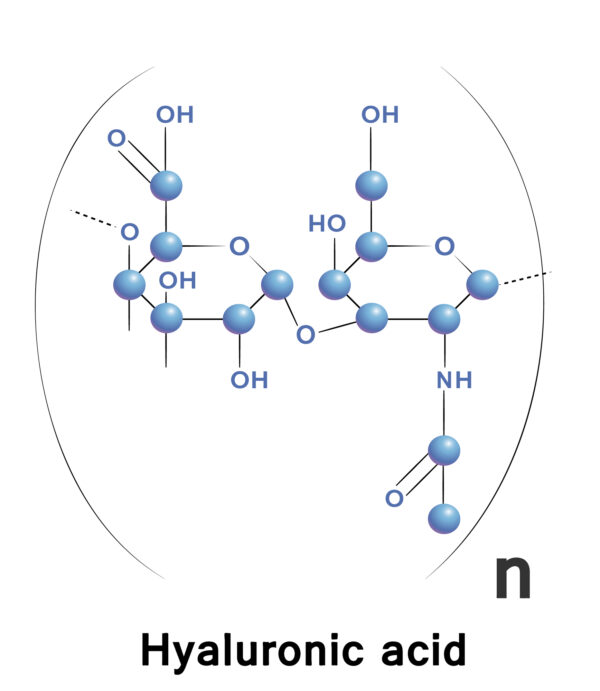
Fillers that are specially made of hyaluronic acid can be dissolved by hyaluronidase.
Hyaluronidase has the ability to dissolve fillers that are specifically made from hyaluronic acid. Some well-known brand names for such fillers include Juvederm and Restylane. Hyaluronic acid is known to gradually degrade in our bodies over the course of time. The use of hyaluronidase can help facilitate this degradation process, potentially allowing for faster absorption of filler by the body. Regrettably, it is not possible to reverse the effects of non-hyaluronic acid fillers with this particular enzyme. Rather, these fillers will gradually dissipate on their own as time goes by. Certain fillers may have a lower likelihood of being metabolized and may require a surgical procedure for removal.
Identifying Highly Skilled Filler Dissolution Practitioners
When it concerns filler dissolution, it is highly recommended to consult with healthcare professionals who have expertise in aesthetic treatments, complications, and the use of hyaluronidase. It would be beneficial if the original provider could be involved, as they possess a valuable understanding of both the product applied and the injection technique. If there has been a decrease in assurance or satisfaction with the provider in question over time, it may be advisable to consider reaching out to trusted and licensed practitioners instead.
Fees associated with Filler Dissolution
The cost of filler dissolution can vary based on various factors, such as the chosen provider, type of filler, and specific details of the treatment. In certain cases, it is possible that providers may consider not charging for the removal of fillers that they themselves have initially administered, especially if there are complications or if the patient expresses dissatisfaction. When working with other providers to manage the dissolution process, it is possible that there may be fees associated with it. The fees can vary depending on the complexity and number of assets to be distributed.
The Healing Process and Outcomes of Filler Dissolution
The recovery process following filler dissolution is generally smooth, with little downtime needed. A filler may potentially result in temporary swelling and discomfort that typically subsides within a couple of days. The filler usually fades at a relatively fast rate, allowing for noticeable initial results. However, it could take several weeks for the complete effects to become apparent as the body gradually absorbs it into its cells. It is recommended to schedule periodic follow-up visits with your professionals in order to achieve the best possible outcomes and address any issues you may have.
Possible Alternatives to the Dissolution of Filler
If you are considering reducing the use of fillers but still want to improve or rejuvenate your look, there may be other choices that you can explore. One potential option could involve replenishing the dissolved areas with more conservative fillers that provide personalized approaches designed to meet individual needs and aspirations. It is advisable to seek guidance from an appropriately trained professional in order to determine what would be the best plan of action that aligns with your goals and personal tastes.
Considerations and Safety Measures Associated with Filler Dissolution
Filler dissolution is a procedure that is best carried out by competent practitioners. Nevertheless, it is important to take into account any possible risks and necessary measures that might come up before proceeding with the aforementioned process. It is important to note that there are individuals who may have allergies to hyaluronate. As a precautionary measure, it is common practice to conduct a test injection prior to proceeding with the complete dissolution of fillers. Some brief adverse reactions, such as bruising, swelling, and discomfort, may occur after treatment. To guarantee the most favorable result and minimize any possible hazards, it is important to reveal any allergies, health issues, or earlier adverse effects before getting filler dissolution procedures. This will help to address any concerns and promote positive results for everyone involved.
Evaluate Patient Contentment and Health
The decision to remove facial fillers should be considered a personal choice that prioritizes the security and contentment of the patient. When engaging in discussions about goals with professionals during this procedure, it is important to foster an atmosphere of reasonable expectations and maintain a candid conversation among themselves and patients all over. A skilled professional will attentively consider your worries before carrying out a thorough evaluation and recommending the most suitable approach, with a focus on ensuring security, ease, and envisioned outcomes to ensure the best possible outcome.
The verdict: Encouraging Well-Informed Decision-Making
When considering facial filler dissolution, it is important to approach the decision with thoughtful thought and seek guidance from a knowledgeable professional. Gaining an in-depth knowledge of the procedure, potential risks, and other possibilities will empower you to arrive at a well-informed decision that is in line with your desired aesthetic outcomes and individual tastes. Seek a skilled professional with a track record in filler dissolution and positive patient feedback. With the support of knowledgeable professionals, you have the opportunity to attain the outcomes you want and enhance your confidence in both your personal image and self-assurance.
Dentox provides first-rate dermal filler training and certification, positioning itself as an industry leader. Our all-inclusive courses teach students, from novices to seasoned pros, the ins and outs of dermal filler administration through practical experience, innovative methods, and thorough theory.
Visit https://dentox.com/all-courses/dermal-fillers/ to learn all about our dermal fillers distance learning program. Kindly visit https://dentox.com/live-courses/ to secure your spot in our exclusive live patient training sessions.
After-Treatment Care: Facial Injection Recovery Tips


To rejuvenate the skin and maintain its youthful appearance, Botox and face fillers are popular options.
Botox and facial fillers are popular ways to renew the skin and keep it looking young. It is equally important to know how to recover from these therapies and what to do afterward as it is to know the treatments themselves. This comprehensive guide will go over all the ins and outs of post-treatment care, including how to manage symptoms like redness, swelling, and bruising, as well as practical recovery tips.
What is involved in the aftercare of Botox and facial filler treatments?
Fillers and Botox® Aftercare: Why It’s Crucial
It is critical to adhere to the post-injection care recommendations made by your injector after receiving cosmetic procedures like Botox or dermal fillers. When it comes to the procedure’s efficacy and lifespan, proper aftercare can make all the difference. This can hasten recovery, lessen the risk of infection, and lessen the severity of injection-related swelling and bruising.
Post-Treatment Care and the Injector’s Role
To guarantee a safe and effective recovery after treatments, injectors play a pivotal role in cosmetic medicine. Your injector should give you aftercare instructions after injecting you with Botox or fillers. Common tips include what to do when bruising appears, which drugs to avoid (like blood-thinning aspirin and ibuprofen), and how to apply an ice pack to alleviate pain and swelling.
When getting Botox or face fillers, how does one deal with the typical bruising that follows?
Investigating What Causes Bruising After Facial Injections
One typical adverse effect of Botox and dermal fillers is bruising. This happens when the blood vessels just under the skin are blocked by injecting dermal filler. Bruising is more likely if you take medicine that thins the blood before treatment, like aspirin, ibuprofen, fish oil, or vitamin E supplements.
How to Minimize Bruising After Dermal Fillers and Botox® Treatments
Use a cold compress or ice pack on the injection site to minimize swelling and bruising following dermal fillers or Botox injections. After the first 24 to 48 hours of treatment, you should be able to alleviate your symptoms sufficiently by applying the cream intermittently. Raising your head is the best position to be in when you initially go to sleep after getting fillers.
The Truth and Lies About Supplements and Medications Claimed to Reduce Bruising
Some people have reported that taking vitamin C or medications like arnica or bromelain can help with swelling and bruising. Unfortunately, medical research has not yielded sufficient evidence to determine the efficacy of these treatments. To reduce the severity of the adverse effects caused by injectable treatments, you should talk to your healthcare provider before taking any kind of supplement or prescription.
Describe the post-treatment recovery for minimally invasive dermal filler therapy
The Scope of Non-Invasive Dermal Filler Procedures
Non-invasive methods for contouring the face, plumping up thin regions, and reducing the visibility of fine lines and wrinkles include dermal filler treatments. These injectables are gaining popularity in the cosmetic medical industry due to their rapid effects and short recovery period.
How to Recover Faster after Dermal Filler Procedures
After getting filler injections, it is recommended to rest for at least 24 hours, avoid heavy exercise for at least 48 hours, and apply a cold compress to the affected area to decrease swelling. This will help the healing process go more quickly. Moreover, to lessen the likelihood of severe swelling or bruising, abstain from alcohol for a minimum of 24 hours.
What kind of care is necessary after receiving injections of lip filler?
Lip Filler Aftercare and Recuperation Advice
Lip filler aftercare includes following instructions to minimize swelling, such as using cold packs and avoiding strenuous physical activity. After dermal filler injections, it’s advised to keep your lips moisturized and refrain from touching or irritating the treated region for a few days.
How Much Time Do Lip Injections Take to Heal?
After receiving lip filler injections, the initial redness and swelling usually disappear in the first week. Final results, however, aren’t noticeable until any remaining edema has disappeared, which happens around two weeks after the treatment. Thus, waiting for further therapies for at least two weeks is best.
Managing the Aftercare of Lip Fillers: Dos and Don’ts
It’s advised to avoid strenuous exercise for 24 to 48 hours after receiving lip filler, as well as to avoid smoking and drinking through straws for a few days after the procedure. Steer clear of these activities to promote quicker recovery and the best outcomes.
After getting Botox and facial fillers, where can I get advice and assistance?
Best Time to Get in Touch: Telling Which Signs Require Quick Medical Care
While you experience minor side effects from Botox and filler treatments, you should contact your injector if you have any severe side effects, such as severe pain, pus at the injection site, major asymmetry, or strange changes to your skin, such as a white or blue hue. Prompt medical intervention may be necessary if these symptoms persist or worsen.
Subsequent Treatment after Botox® and Facial Fillers
Approximately two weeks following the Botox or filler treatment, you will be scheduled for a follow-up appointment with the injector. The injector can evaluate the results, discuss any changes, or schedule follow-up treatments once the swelling and bruises have diminished.
Seeking Reliable Resources for Aftercare Instructions
For a safe and effective recovery, it is important to communicate with your injector at all times. Consult a board-certified medical expert for trustworthy aftercare instructions after dermal fillers and Botox procedures.
Dr. Howard Katz, founder of Dentox, offers training in a variety of aesthetic and medical procedures, including dermal fillers and Botox. Medical practitioners can learn about dermal fillers and Botox from a well-known figure in the field. Are you in need of a place to learn about dermal fillers and Botox online? For more information, visit https://dentox.com/all-courses/dermal-fillers/ and https://dentox.com/all-courses/botox-training/. In addition, go to https://dentox.com/live-courses/ for real-time sessions with actual patients.
Demystifying Dermal Fillers: What You Should Know Before Getting Your First Injection


Dermal fillers should only be administered by medical experts who have completed extensive training in facial aesthetics and are board-certified.
More people are using dermal fillers than ever before, but with so much information available online, it can be difficult to determine fact or fiction. It may not come as a surprise that there are still a lot of myths and misconceptions concerning injectable fillers because many individuals have irrational views and assumptions about them. With the help of this tutorial, we hope you will have a better understanding of dermal fillers and be able to decide if they are correct for you.
What are dermal fillers?
Gel-like substances that are injected into the skin to enhance volume and shape in regions exhibiting obvious symptoms of aging are known as dermal fillers. Facial fillers, when used by qualified experts, can be your hidden beauty weapon, plumping up your cheekbones and lips and smoothing out wrinkles around your mouth, forehead, and eyes. The global market offers a large variety of dermal filler injections that can produce outcomes that look natural and don’t interfere with face expression.
The most common ingredient in dermal fillers is hyaluronic acid (HA), a substance that the body naturally produces to help lift the skin and add volume to the face. By adding volume and promoting the generation of natural collagen, which naturally declines with age, HA fillers may help enhance the contours of the face. According to reports, over a million people choose dermal filler injections annually to seem more radiant and rejuvenated. Regretfully, individuals who might gain advantages from dermal fillers may become discouraged by the following myths regarding the procedure.
Myth 1: Dermal Fillers are Just for Anti-Aging
Dermal fillers are frequently associated with facial rejuvenation when we think about them. But these wonderful, adaptable procedures might have advantages beyond simply getting rid of facial creases. Dermal fillers are not just for the elderly; younger patients can also use them to give volume to their cheekbones and firm up thin lips. Fillers, when applied skillfully, can alleviate hollowness beneath the eyes (bags under the eyes, dark circles), enhance the look of acne scars, and even add volume to the buttocks or hips. Because dermal fillers are easily customized to each patient’s preferences, they are a popular injectable procedure.
Myth 2: Dermal Fillers are Everlasting
It may feel like an important decision to obtain dermal fillers because of the notion that they last forever. Dermal fillers may last a long time, but they are not everlasting. Most patients can have noticeable advantages from HA dermal fillers for at least six to eighteen months. A product’s longevity is influenced by its own qualities as well as your unique attributes (age, skin type, and lifestyle) and the area that needs to be treated. Furthermore, you can inject hyaluronidase to reverse the effects of your HA-based filler procedure if you’re not happy with the outcome. This enzyme works to deactivate HA, which causes the filler to degrade and return your skin to its pre-filler state.
Myth 3: Dermal Fillers are Easy to Apply by Anyone
In fact, only board-certified professionals with in-depth knowledge of facial aesthetics should apply dermal fillers. The procedure can be carried out by dermatologists, plastic surgeons, aesthetic doctors, aesthetic dentists, or aesthetic nurses, according to the legislation in your country. When administering filler injections, qualified experts will adhere to the appropriate security standards and possess the requisite medical competence. Additionally, they will be able to assess the state of your skin and customize the course of action for you. Keep in mind that the more experience the experts have administering fillers to your face, the better the outcome may be.
Myth 4: It Takes Time to See Outcomes
Hyaluronic acid (HA)-containing dermal fillers offer advantages that are both immediate and long-lasting. Dermal fillers are injected into the dermis to have an immediate lifting effect because they are gels. The gel gradually increases the skin’s natural production of collagen and elastin, which improves the skin’s moisture, suppleness, and radiance.
Even though dermal fillers work immediately, it’s vital to keep in mind that there can be some initial bruising and swelling after the procedure is completed. This may momentarily make the outcome less clear. But once the swelling goes down, the entire impact of the procedure will become apparent, giving your appearance a refreshed and natural look.
Reflections
With the most recent developments in aesthetic medicine, you can effortlessly enhance your look and self-confidence with minimally invasive procedures like dermal fillers. Of course, the myths and misconceptions surrounding filler procedures are not limited to the ones listed above. See reputable experts for advice if you’re unsure about what to believe; they can assist you in determining whether this procedure is right for you.
Dentox is currently offering dermal filler training to its employees. Courses are available online at https://dentox.com/all-courses/dermal-fillers/ and in person at https://dentox.com/live-courses/ with actual patients. Developing new skills that improve a patient’s look, health, and vision will raise the quality of life.
Deciding Which Dermal Filler Is Best for Your Skin
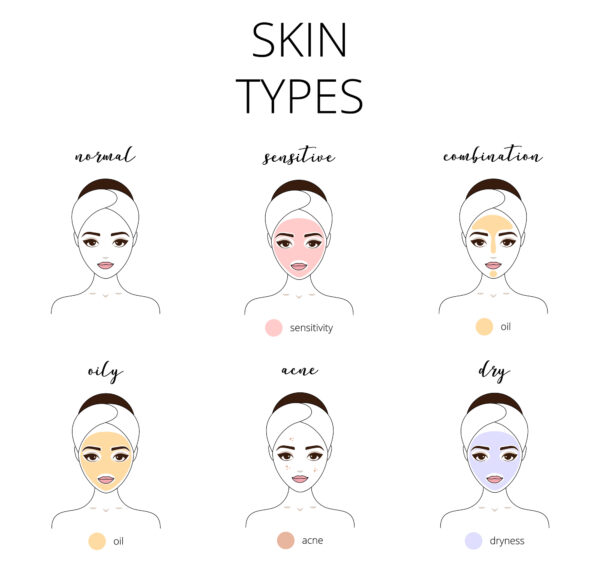
Identifying your skin type is the initial step in selecting dermal fillers.
A popular way to improve the look of one’s face is with dermal fillers. Finding the right filler for your skin type is our main goal here, so you can make an educated selection.
Making sure the filler choice produces pleasing and attractive effects is the end goal. Find the dermal filler that works best for you with these steps.
Getting to Know Better about Dermal Fillers
Injectable dermal fillers are a great way to change the look of your face. Filling in wrinkles and enhancing the volume of soft tissues are the ways they function. If you want to look younger and smoother, this is the way to go.
Many different kinds of dermal fillers are on the market. There is a specific function for each kind. Because of their ability to retain moisture, hyaluronic acid fillers find extensive application. They aid in keeping the skin’s moisture levels up, which makes it look younger and plumper.
Fillers made of calcium hydroxylapatite have a reputation for being more long-lasting. Deeper lines and accentuated cheekbones are two typical applications.
There are also polylactic acid fillers. Their ability to promote collagen formation results in a subtle and unnoticeable enhancement. Types of fillers have distinct purposes. Gaining an understanding of these might help you select the most suitable one for your needs.
Skin Type Evaluation
The first step in choosing a dermal filler is to know your skin type. Different types of skin react differently to dermal fillers. Flakiness and a tight sensation are signs of dry skin. Acne is more common in oily skin types, and their skin tends to seem glossy. Oiliness is more common in the T-zone on combination skin, which otherwise has dry patches. Those with sensitive skin are more likely to experience skin reddening or irritation as a result of reactions to environmental or product variables. Signs of aging, such as sagging and wrinkles, become more apparent in older skin. How is one’s skin type significant? It affects the way fillers react to your skin.
Skin Type-Specific Fillers
To get the results you want, it’s important to choose a dermal filler that works with your skin type. Certain dermal fillers work better on some skin types than others. Fillers that hydrate work best for dry or mature skin. These fillers aid in water retention; hyaluronic acid is a common base. They make fine wrinkles look less noticeable and add volume back to the skin.
Use a lighter filler if your skin is oily or mixed. The skin’s natural oils are balanced by these fillers, which do not add shine or weight. They give a little something more without drawing attention to themselves.
It is critical to choose fillers that reduce responses for people with sensitive skin. You can avoid redness and irritation by using fillers made specifically for delicate skin. They guarantee a pleasant experience with good outcomes. It is more effective and comfortable to use filler that is a good fit for your skin type.
Taking Other Considerations
When deciding on a dermal filler, there are a number of considerations beyond skin type. Important factors to think about are age, face shape, and the intended outcome. The flexibility and volume of the skin are affected by age. More volumizing fillers are typically beneficial for older skin, whereas more subtle modifications may be necessary for younger skin.
Filler options are also influenced by your face structure. While some dermal fillers work wonders for smoothing out wrinkles, others are more suited to drawing attention to the jawline or cheekbones.
We place equal importance on your intended outcomes. Whether you’re going for a subtle rejuvenation or a more dramatic transformation, this will help you choose the right fillers.
Thorough Preparation
Sufficient planning ahead of time can ensure the best outcomes and minimize any inconvenience during dermal filler therapy. The greatest outcomes and least amount of trouble can be yours with enough planning ahead of time.
Do not take aspirin or ibuprofen before your appointment, since they could make you bleed more easily. You should also stay away from fish oil and vitamin E supplements. Stay away from any skincare products that contain retinol or any other chemicals that exfoliate the skin. As a result, the treated region may experience an escalation in skin sensitivity.
Importantly, make sure your expectations are reasonable. Be honest with your practitioner about what you hope to achieve. You may achieve results that live up to your expectations when you communicate clearly. This conversation also aids in comprehending the procedure’s limitations.
Maintenance and Follow-Up Treatments
The effectiveness and durability of dermal fillers can be greatly enhanced with the right post-treatment maintenance. A lot depends on how well you take care of yourself after the treatment and how long the effects last. Take it easy for at least a day after getting fillers. It aids in decreasing redness, swelling, and bruises.
A nutritious diet and plenty of water are essential musts. Hydration is key to extending the life of fillers and preserving their plumping and smoothing effects on the skin.
Sunlight speeds up the aging process and can even dissolve the filler. Protect your skin and filler from the sun every day by applying a broad-spectrum sunscreen.
A mild skincare regimen is necessary to keep skin healthy after a treatment. Apply skin-care products that are nourishing and moisturizing. Applying moisturizer on a regular basis helps keep the skin supple and enhances the results of the filler. If you want your skincare results to last and look their best, stick to a mild, regular approach.
Only medical professionals with the proper training can provide treatments. Dentox is the trusted destination for comprehensive training and certification in dermal fillers. Our specialized courses are meticulously crafted and equipped with hands-on training, cutting-edge techniques, and in-depth knowledge. Dentox ensures medical professionals master the art of administering dermal fillers with precision and confidence. Explore our Dermal Fillers course at https://dentox.com/all-courses/dermal-fillers/ and embark on a transformative journey towards excellence in facial aesthetics with Dentox. Additionally, Dentox also provides a more practical approach with live patient courses. Visit https://dentox.com/live-courses/ to explore the incredible opportunities.
Recognizing the Symptoms of Tech Neck and the Role That Dermal Fillers Can Play
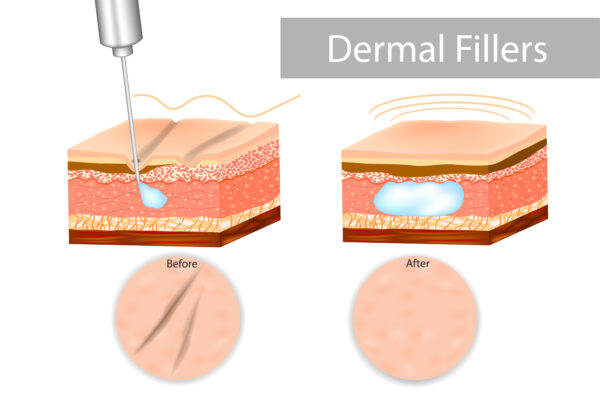
Dermal fillers do more than make you seem younger. They may improve neck muscle health.
It’s possible that medical aesthetic professionals have the answer for those who suffer from neck pain as a result of “tech neck.” The term “tech neck” describes the risk of developing certain health problems associated with staring down at electronic devices for long periods of time, such as smartphones, tablets, and laptops. Another name that is used to describe this condition is “text neck.” The muscles in the patients’ neck and their upper back might become strained as a result of this frequent downward stare, which can lead to discomfort, stiffness, and even premature aging.
To what extent do dermal fillers help with tech neck?
The typical weight of the human head ranges from 10 to 12 pounds, which may be unexpected for certain individuals. The load exerted on individuals’ necks can escalate to a maximum of sixty pounds while they are fixated on a device.
Excessive tension leads to improper body alignment, which consequently leads to the formation of wrinkles, folds, and sagging skin in the neck area. These impacts could get worse and present more challenges as time elapses.
Though dermal fillers are most often associated with rejuvenating the face, they can also alleviate the signs of tech neck. Injections are administered with hyaluronic acid, which is utilized for purposes related to cosmetics. A naturally occurring molecule in our bodies called HA plays an important role in keeping our skin supple and hydrated.
Dermal fillers, when injected into the neck area, can plump up the skin and reduce the appearance of wrinkles. One common cause of these fine lines and wrinkles is staring down at a computer screen all day.
Dermal Fillers for the Neck Muscles
Providing a more youthful appearance is not the only benefit that dermal fillers offer. It is possible that they will assist in enhancing the general health of the muscles in patients’ necks. The muscles are able to relax and recuperate from strain, which results in a reduction in discomfort and stiffness. The process involves injecting filler into the creases and wrinkles to attain this effect. Patients are able to battle the effects of tech neck and keep a healthy and youthful appearance of their neck by using cosmetic injections in conjunction with the appropriate use of electronic equipment. The treatment itself requires specific sets of skills.
As a leading authority in the field, Dentox offers premium training and certification for dermal filler procedures. Our comprehensive courses are designed to empower aspiring practitioners and seasoned professionals alike, providing hands-on training, cutting-edge techniques, and in-depth knowledge to master the art of administering dermal fillers. Backed by industry-leading experts, Dentox ensures a transformative learning experience that not only meets but exceeds the highest standards. Elevate your career, expand your expertise, and join the ranks of skilled practitioners with Dentox’s esteemed certification programs.
Explore our comprehensive online training program for dermal fillers at https://dentox.com/all-courses/dermal-fillers/. To guarantee your reservation for exclusive live patient training sessions, kindly visit https://dentox.com/live-courses/.
When Will It Be Safe to Exercise After Botox? A Comprehensive Guide


Do not do any form of strenuous activity for at least four hours following Botox injections.
For at least four hours after Botox injections, it is recommended that you refrain from engaging in any kind of vigorous exercise.
Most people get Botox to make themselves feel better, both physically and emotionally. Exercise is also integral for self-esteem and well-being, making it difficult to stop your exercise routine.
How Soon Can You Exercise After Getting Botox?
Although most doctors advise waiting at least 24 hours after Botox injections, you can exercise as soon as four hours after. Even more cautiously, some medical professionals advise their patients to rest for up to a week before exercising.
Some people take a case-by-case approach to working out after Botox. Individuals who normally engage in greater physical activity might be able to start exercising sooner than those who have lower fitness.
Why? Your metabolism affects how long the effects of Botox last, and people who exercise regularly usually have greater metabolic rates. Your results will not last as long if your metabolism is high.
In light of this, those who have lower fitness typically return more quickly than those who are quite active. Some people may want to hold off on exercising for a little longer if they are already quite fit.
Find out what kinds of exercises are safe to undertake after Botox by scrolling down this page if you must exercise before the waiting period ends. Keep reading for more information about the most frequently asked questions about exercise and Botox.
When Can You Return to Cardio After Botox?
Light cardiovascular exercise, regardless of your fitness level, can be resumed as early as 24 hours following Botox. Explosive motions, bouncing, or moving your head back and forth are not appropriate for light cardiovascular exercise.
People with lower levels of fitness can safely return to high-intensity cardio after 48 hours, unless your doctor advises you otherwise.
If you’re an athlete or someone who works out frequently, you should wait at least three days, and preferably up to a week, following the first day to do intense cardio again.
When Will It Be Safe to Lift Weights Again After Botox?
Just wait 24 hours after getting Botox; you can lift weights. Keep in mind that if your metabolic rate is already high, increasing it might make your results disappear faster. Due to the increase in lean muscle mass, weightlifting intrinsically boosts metabolism.
Also, people who are already quite fit might benefit from taking a day or two off before getting back to their usual resistance training routine. This is particularly valid if you have a strenuous exercise regimen scheduled.
Consult your doctor if you are worried that exercising too soon will adversely affect the results of your Botox treatment. You can collaborate to determine the most effective plan for safely getting back into your workouts.
After getting Botox, what kinds of exercises are safe to do?
Light, non-inverting body exercises can be done as early as four hours after a Botox injection, and face exercises can be done immediately after Botox. Do not engage in any activity that elevates your heart rate for a minimum of 24 hours.
You can exercise before receiving Botox, which is great news. To avoid missing a session, do some cardio or strength training before your appointment if you exercise every day.
After your Botox treatment, you can ease into the following light exercises:
Facial Exercises
After Botox, your doctor may suggest facial exercises. These movements are risk-free and might hasten the onset of Botox effects. In one study, face exercises led to a faster onset and more robust results for 68% of Botox recipients.
Smiling, frowning, and brow movement are all examples of facial exercises. However, you should refrain from touching your face because doing so might increase the likelihood of certain side effects or alter your results.
If your aftercare instructions do not specify that you should perform facial exercises, you should inquire as to why. Facial exercises are generally safe to do unless your doctor tells you otherwise.
Light Walking
One great way to keep moving after getting Botox is to do light walking. Unless your doctor tells you differently, you can go back to this as soon as your appointment is over.
So, what exactly is light walking? Three miles per hour is the average speed for most people. So, to avoid getting your heart rate up too much, do not go faster than 3 miles per hour.
Remember that you might not be in the mood to go for a light walk immediately after your appointment. Botox can cause headaches in some people. Before you go back to your light walking, take an over-the-counter pain medication.
No-Inversion Yoga
Blood flows toward the face and skull because an inversion positions your head below your heart. For the first four hours after Botox, your doctor may advise you to keep your head in an upright position.
That eliminates some, but not all, yoga poses. It’s okay to perform standing yoga positions like the mountain, tree, chair, eagle, and big toe. So are planks, seated forward folds, and “wall dogs.”
Things You Should not Do After Botox
After your appointment, your doctor will likely advise you to sit up straight for the first four hours. In addition, you should wait at least 24 hours before engaging in intense workouts.
After getting Botox, there are a number of things you should avoid doing, including exercising and inverting your head. To get the best results, your doctor may also suggest not doing things like:
- Laying down
- Drinking alcohol
- Consuming excessive amounts of caffeine
- Scrubbing the location of the shot
- putting pressure on the injection site
- savoring a hot shower
- soaking in the bathtub
- Having a spray tan
- Making use of a sauna
- exposing the injection site to light from the sun or other sources
- Applying very high or low temperatures to the injection site
- Using retinol or comparable products
- lying on your face
- undergoing a facial procedure
- taking a flight in an aircraft
- Making use of a bathing cup
- Waxing your eyebrows
- Threading your eyebrows
- Using eyebrow tweezers
Ignoring these things won’t hurt you in the long run. After a couple of weeks, you can go back to your facials, and after just a few days, you can sleep with your face on the pillow. After twenty-four hours of receiving Botox, you are free to resume applying makeup.
Healthcare providers can learn all the ins and outs of the Botox injection technique through the Dentox program. In order for you to be successful in this niche area of aesthetic medicine, our training course is tailor-made to meet your needs.
In order to gain more information and become more proficient, you can enroll in our distance learning program at https://dentox.com/all-courses/botox-training/. Please visit https://dentox.com/live-courses/ to learn more about our life-altering live patient training classes and to save your spot if you are interested in this unparalleled opportunity.
10 Ways Botox Education Can Help Your Practice Grow

Adding Botox treatments to your practice’s portfolio will significantly improve your business plan and customer satisfaction levels.
Even though the field of medical aesthetics is evolving at a dizzying rate, Botox remains a cornerstone treatment option. Experts in Botox applications are in high demand because of the product’s continued popularity. Both seasoned doctors and those just starting out in the field of aesthetic medicine stand to benefit greatly from this trend. Your practice’s strategy and customer satisfaction levels can be greatly enhanced by adding Botox treatments to your portfolio.
In this in-depth essay, we explore 10 compelling arguments for why it is essential to invest in top-notch Botox training for physicians. It’s not just a smart move, but a necessary step towards expanding your medical business. At this juncture in your career, you will have acquired highly desirable abilities and will be positioned to lead a field that innovatively combines science, art, and patient care.
Adding More Services to Your Menu
Botox training opens up new possibilities for expanding your clientele’s service offerings. By offering non-surgical cosmetic alternatives, you may expand your customer base and diversify your practice.
Satisfying patient needs
Botox injections are more sought-after than ever before, and their popularity shows no signs of slowing down. Your clinic will stay current and competitive by offering Botox treatments, which are in direct response to this expanding market need.
Improving your abilities
You may expand your professional portfolio with the particular abilities you acquire through Botox training. There’s a chance to pick up some new skills while still keeping up with the newest developments in aesthetic medicine.
Increasing Income from Practice
One certain way to increase your practice’s bottom line is to start offering Botox treatments. Benefiting from both strong demand and the procedure’s repeatability, Botox provides an exceptional return on investment.
Cultivating Devoted Bonds with Patients Over Time
Building lasting connections with your patients is essential when it comes to Botox treatments, as they require monthly touch-ups. Patient loyalty and your practice’s reputation are both bolstered by this continuous engagement.
Treatments that are both fast and effective
Botox treatments are renowned for producing noticeable outcomes in a short amount of time. You may increase the number of patients seen each day without lowering the standard of service because of this efficiency.
Satisfaction Guaranteed with Minimal Risk
A high success rate and low risk are associated with Botox treatments when done properly. Your practice’s reputation and patient referrals will be positively affected by the high level of patient satisfaction that this contributes to.
Catering to a Wide Range of Customers
People of all ages and genders are interested in Botox. Because of this openness, your practice may attract a wider range of clients, increasing your market reach.
Extending Your Career and Building Your Network
There are several benefits beyond technical competence that doctors may gain by enrolling in the top Botox training programs. It’s a chance to meet other aesthetic medicine professionals, hear about their experiences, and form professional relationships.
Being up-to-date on Industry Trends
Being up-to-date is essential in the ever-changing world of aesthetic medicine. To stay ahead of the competition and learn the latest methods, technologies, and trends in the field, Botox training is a must.
In summary
Your medical practice’s future is directly tied to the quality of your Botox training, which goes beyond just certification. Your service offerings will be widened by this training, which is in line with the growing demand from patients for cosmetic treatments. Improving your practice’s financial health, expanding your skill set, and being current with medical breakthroughs are all important goals. By offering Botox treatments, you can meet the current demands of the industry while also establishing a strong foundation for future development and increased patient satisfaction.
More than just a training program, this is an opportunity to take your profession to new heights in a dynamic and promising industry. Seeking top-notch botox training for medical professionals isn’t just a learning curve; it’s a calculated move to guarantee your clinic flourishes in the ever-changing and competitive healthcare industry.
As a medical practitioner, you have the incredible chance to genuinely improve your patients’ lives through Dentox’s extensive training and education program. You can make sure they have a problem-free time by expertly helping them achieve their cosmetic goals.
Visiting our website at https://dentox.com/all-courses/botox-training/ will provide you with a full catalog of our online programs. We also welcome you to check out the amazing chances at https://dentox.com/live-courses/ if you’d like to have a more hands-on approach with live patient courses.
Can Any Medical Professionals in Canada Do Botox and Fillers?

In many nations, dermal fillers and Botox are legal ways to rejuvenate the skin and improve one’s appearance. Nevertheless, the legality and qualification to carry out these operations could differ from one nation to another and even from one region within the same nation.

Botox and dermal fillers are becoming more popular in North America, especially in Canada.
The use of dermal fillers and Botox is on the rise across North America, particularly in Canada. You can achieve a more youthful appearance without surgery by undergoing these minimally invasive treatments that improve facial characteristics and reduce the appearance of wrinkles. Because of all these reasons, a lot of doctors are trying to get into the filler and Botox injection business.
The eligibility requirements for Botox and filler injections, as well as our courses on the subject, are a common source of confusion for many of you. We will address these inquiries in this piece. Those who are qualified to provide injectable fillers and Botox in Canada are detailed below.
Cosmetic injectables: who is qualified to administer them in Canada?
In Canada, the relevant provincial or territorial colleges are in charge of administering injections of Botox and filler. Provincial laws governing specifics may vary slightly, but generally speaking, only licensed medical professionals who have undergone the necessary training and certification can perform cosmetic injectable procedures. Contact your own regulatory bodies to confirm whether or not there are other restrictions on top of training.
Only those with extensive education and certification in the medical area, like physicians, dentists, and nurses, are allowed to administer injectables for cosmetic reasons. These organizations regulate the aesthetic medicine profession by checking the credentials, ethics, and training of practitioners. A medical degree is required before you can participate in aesthetic injectable training programs.

Before you can participate in aesthetic injectable training programs, you must have a medical degree.
Where can we discover Botox and dermal filler providers in Canada?
Medical practitioners in Canada who are certified to administer dermal fillers and Botox injections include:
Doctors with the required license and certification: Thanks to their wealth of understanding in anatomy, physiology, and medicine, physicians are ideal for discussing cosmetic injections. With their extensive knowledge of facial anatomy and the elements that contribute to the aging of different parts of the face, they may safely and efficiently inject injections to address their clients’ concerns.
Registered Nurses (RNs) and Registered Practical Nurses (RPNs): They are among the numerous occupations that treat a large number of patients to have dermal fillers and Botox injections. They are often there to lend a hand to doctors and nurse practitioners. The greatest people to administer Botox and filler treatments are registered nurses and registered practical nurses due to their vast knowledge and expertise in patient assessment and nursing care. Registered nurses and registered practical nurses can keep educating and supporting patients even after they end therapy.
Nurse practitioners: Nurse practitioners (NPs) are able to provide a variety of aesthetic treatments, such as Botox and fillers, thanks to their extensive education and experience in nursing. A large number of people would like to begin injecting Botox and fillers, and NPs are among such people.
Dentists: Highly trained in injectable procedures and with extensive expertise in facial anatomy, dentists are ideal candidates for this procedure. The perioral (area surrounding the mouth) area is where they are most often approved to give fillers and Botox. If you suffer from TMJ issues or any other kind of facial pain, you should see a dentist. However, this is not the end of what they do; they are qualified to administer any and all Botox and filler treatments that are now available.
Dermatologists, plastic surgeons, pharmacists, and a handful of other medical specialists in Canada may also be able to provide Botox and dermal filler treatments. To make the most of your abilities and expertise before beginning your aesthetic practice, though, you need to verify that the training program you enroll in is adequately accredited.
Just because a nurse or doctor has excellent training doesn’t mean they should start injecting patients with fillers and Botox. Before beginning any task, specialists must complete and pass quality training courses. Only then can they begin making the required preparations.
What you need to know before injecting Botox and filler
If you want to be a successful Botox and filler specialist, you need to get the right training and instruction. You should enroll in a comprehensive training program that addresses all of your concerns before beginning to inject Botox and fillers.
At Dentox, we provide training on the fundamental expertise required of a filler and Botox injector, including:
- Comprehensive knowledge of facial anatomy and physiology: Expertise in muscles, nerves, and blood vessels of the face is essential for the safe and successful administration of dermal fillers and Botox
- The nature of Botox and dermal fillers: If you want to choose the right Botox or dermal filler for each patient, you need to know all there is to know about their characteristics, effects, and limitations. Additionally, it aids in determining which treatment strategy and alternative are most suitable for your patients.
- Safe injection procedures as well as prevention and mitigation of side effects: Improving treatment effectiveness and patient comfort can be achieved by becoming an expert injector. This includes selecting the appropriate needle, the depth, and the location of the injection.
- Consultation and evaluation for the clients: discovering patient wants and contraindications and creating tailored treatment strategies for each patient requires proper patient evaluation and consultation skills.
- Legal and ethical issues in aesthetic medicine: Aestheticians are required to follow legal and ethical frameworks that govern aesthetic procedures and guarantee patient confidentiality, safety, and informed consent.
The goal of the Dentox program is to educate medical professionals on how to inject Botox in a way that is both effective and safe. If you want to be a pioneer in the field of aesthetic medicine, our program is designed to help you get there.
Visit https://dentox.com/all-courses/botox-training/ to enroll in our online course and hone your abilities. In order to learn more about these unparalleled live patient training events and to reserve your position, visit https://dentox.com/live-courses/.


