


Ironing Wrinkles Out – How to Enhance Your Facial Aesthetics


Offering free consultations with no push to sign up is a great way to get people to try treatments.
So, you’ve finished your facial aesthetics course and are eager to treat clients and use your new knowledge and abilities.
Where do you find all of these clients, though?
If you are an associate dentist in a practice, you may be used to seeing clients back-to-back for appointments that the practice has scheduled for you. As a result, this will be a completely new dynamic to begin developing your clientele for facial aesthetics.
Here are five ways to improve your facial aesthetics:
1. Promote current patients.
Introducing your new facial aesthetics treatments to your current clientele is the easiest way to expand your business. You could do this by displaying advertisements or leaflets in the waiting room.
The client medical history form already in use at your clinic could benefit from an additional section. It might be sufficient to inquire as to whether or not they have ever thought about or are interested in receiving any of these treatments. If they select yes, you can initiate the discussion with them during their regular appointments.
Some treatments may benefit from an introductory discount in order to increase client enrollment.
2. Social media
Social media has become an important tool for marketing and client acquisition for many businesses. Social media sites like Instagram are a very visual and fantastic way to present your work.
Before and after photos of the clients they have treated will be taken by our delegates during our courses. This will enable them to immediately begin showcasing their work and attracting potential clients upon completion of the course.
You could also try some creative documentation techniques while clients are undergoing your treatments. They are more likely to trust you and seek treatment from you if you provide them with more information and value.
3. Website
The first place a potential client will look to learn about your practice and the services you provide is on your website.
Use this to your advantage by designating a specific section of your website to the topic of facial aesthetics. This should include information about who you are as a practitioner, where you received your education, and why they should choose you.
It’s a good idea to include before and after photos here so that clients can see your work and become inspired to visit.
4. Free consultations
Free consultations with no pressure to commit are an excellent way to encourage clients to seek treatments.
Numerous customers might be anxious. This makes sense, considering that facial aesthetics is a lot like art in that no two practitioners have the same results.
At the consultation, prospective clients can ask questions, learn more about the processes, and get to know you. You do not hesitate to implement a deposit that is redeemable against treatment in order to filter out appointment bookers who do not show up.
5. Treat workers
If you want to immediately put your new knowledge into practice after completing the course, you should have a few clients lined up to treat. This guarantees that your confidence and competence will remain high after the course.
Offering treatment to friends, family, and practice staff is an excellent strategy. You may wish to provide them with an introductory discount to encourage them further.
Many positive outcomes can be expected from this:
- You can immediately practice your skills.
- Their recovery can be closely monitored.
- You add to your portfolio by collecting before and after images.
- Staff members who have received treatment can tell potential clients about their experience and promote your business!
Why are more people in the UK getting Botox and what are the potential side effects?


Injections of botulinum toxin, when given by a qualified medical professional, carry very little risk.
According to recent research, nine out of ten beauty clinics advertise Botox in violation of the law, which has caused new questions to be raised about Britain’s £3.6 billion cosmetic treatments market.
One London university investigation revealed that 88% of the city’s clinics were breaking laws intended to protect the public’s health by violating the ban on the advertising of Botox and other botulinum toxin products.
What exactly is Botox?
Botox is just one of seven brands or types of botulinum toxin that are available and used in the cosmetics industry in the United Kingdom; the others are less well-known. Botulinum toxin is generally, but often wrongly, referred to as “Botox.”
Botulinum toxins come in seven different varieties, despite popular belief that “Botox” refers to all of them. Other examples are Xeomin, Azzalure, Dysport, Vistabel, and Bocouture.
Confusion can result from the fact that Allergan’s Botox is by far the most well-known brand of botulinum toxin due to the fact that it was the first to hit the market.
What are the medical applications of Botox and the other botulinum toxins?
Botulinum toxin is used for the treatment of a variety of medical conditions, including those characterized by involuntary muscle movements, such as migraine headaches, neck spasms, excessive sweating, an overactive bladder, or a lazy eye.
However, its fame as a beauty treatment has helped it gain widespread attention. Being a toxin that temporarily paralyzes muscles, it has found a prominent place in the rapidly growing non-surgical aesthetic treatment industry. Botulinum toxin injections calm the facial muscles. That’s why it’s so popular for getting rid of crow’s feet and frown lines and other signs of aging.
The treatments usually have a duration of three to four months and cost anywhere from one hundred to three hundred and fifty pounds.
To what end are more and more people getting Botox and other botulinum toxin injections?
It’s clear that business is thriving. According to the latest data on cosmetic injection clinics, the [cosmetic botulinum toxin] market is expected to expand at a CAGR of 12.4% between 2022 and 2030.
There has been a dramatic increase in the number of people willing to undergo non-invasive cosmetic procedures in the name of looking better. People undergoing other cosmetic procedures like dermabrasion, chemical peels, and laser hair removal fall into this category as well.
An estimated £3.6 billion was generated by the cosmetic treatment industry in 2015. That number, however, is likely to have grown since then, thanks to the proliferation of cosmetic surgery centers.
Earlier this year, the Commons Health and Social Care Select Committee looked into the effects of body image problems on both mental and physical health. Researchers found that more people are being exposed to idealized body types because of the proliferation of social media and online advertising. The commission also heard that dissatisfaction with one’s body image and the negative health effects associated with it can affect people of any gender, sexual orientation, ethnic background, or age. The members of parliament have expressed their concern regarding the large number of young people under the age of 18 who are dissatisfied with their appearance.
In addition, experts believe that celebrities’ openness about their beauty routines, like Kylie Jenner’s, has helped normalize the idea of getting plastic surgery.
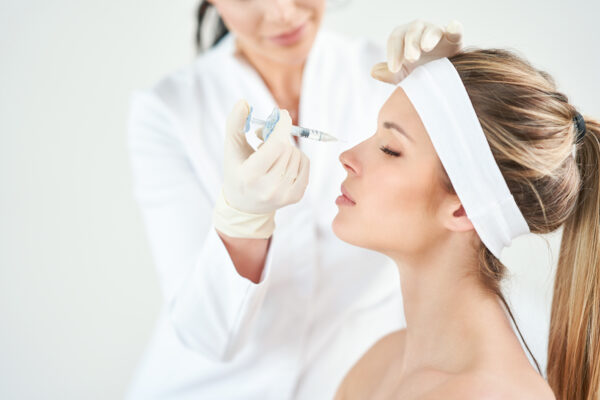
Incorrect botulinum toxin injections can result in discomfort, bruising, swelling, headaches, partial paralysis of the face, and even disfigurement.
What are the potential side effects of Botox and similar botulinum toxin injections?
If administered by a trained medical professional, botulinum toxin injections pose minimal risk. However, there are risks; unforeseen events do occur.
Incorrect injections can lead to pain, swelling, bruising, headache, partial facial paralysis, or even disfigurement, according to a study conducted in the United States in 2020. Many famous people, including actors and TV hosts, have been caught on camera with frozen features after receiving injections.
According to new research, the growing number of clinics and individuals offering botulinum toxin and dermal fillers for cosmetic purposes poses serious threats to public health.
What laws apply to the use of botulinum toxin in the UK?
There is a need for stricter regulation in the United Kingdom in order to protect customers, but no government there has taken the necessary steps to implement this need.
Botulinum toxin injections require a prescription from a medical professional such as a doctor, dentist, or nurse; however, they are frequently administered by those without proper training. For many years, there has been worry about their lack of training.
As a controlled medication, botulinum toxin is theoretically protected by a number of safeguards, including a prohibition on advertising. However, dermal fillers, which are also injected into people’s faces and lips for cosmetic reasons, are only considered a “medical device,” so there are no restrictions on advertising them.
Dermal fillers should be reclassified so that they have the same legal standing as botulinum toxin. Nonetheless, ministers have disregarded the recommendation thus far.
But in 2021, English law was changed to prohibit cosmetic clinics from treating minors with Botox or dermal lip fillers.
Dentox is a training program that educates medical professionals on the safest and most effective methods for injecting Botox into patients. You can find courses that involve live patients at https://dentox.com/live-courses/, and you can find online options at https://dentox.com/all-courses/botox-training/.
Does Botox prey on insecure women? Unethical Botox ads were banned in the UK
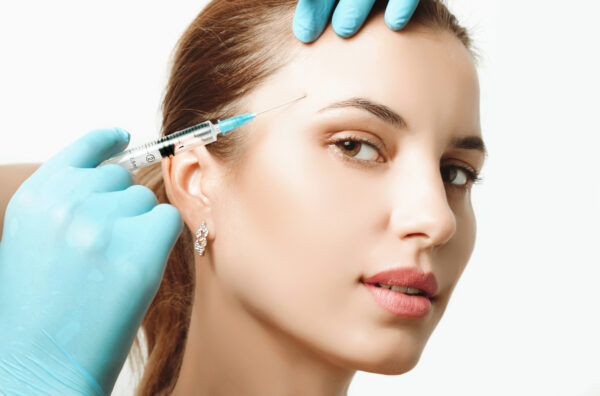
After the school holidays, cosmetic procedure bookings increased, refuting the idea that insecure women sought them.
Botulinum toxin is sold under a variety of brand names, the most well-known of which is Botox.
In the UK, unethical advertisements for Botox have been prohibited. In one extreme case, a Botox commercial that encouraged mothers to look their best while rushing their kids to school was banned because it was thought to prey on women’s insecurities.
In September 2021, a beauty review website published an article on its website that featured a picture of a woman who was walking alongside a child while the two of them were carrying a backpack.
It provided a link to Botox treatments as well as a list of cosmetic procedures that mothers might consider if they want to feel confident and self-assured while waiting at the school gates for their children.
The Advertising Standards Authority (ASA) found that the commercial exploited women’s fears of looking old and contributed to a harmful idealization of femininity.
Campaigners described the advertisement as horrifying.
It has been speculated that Botox was the most popular population poison amongst mothers doing the school run.
There was then a button to click to schedule procedures like Botox injections.
The Advertising Standards Authority (ASA) issued a ruling this week noting the ad’s targeting of women, and in particular mothers, with the implication that a cosmetic procedure would improve their sense of self-worth.
In addition, the advertisement gave the impression that women needed to have a particular appearance in order to feel comfortable sending their children to school.
Because of this, the advertisement perpetuated the harmful gender stereotype that women should look a certain way, and it took advantage of women’s insecurities regarding aging.
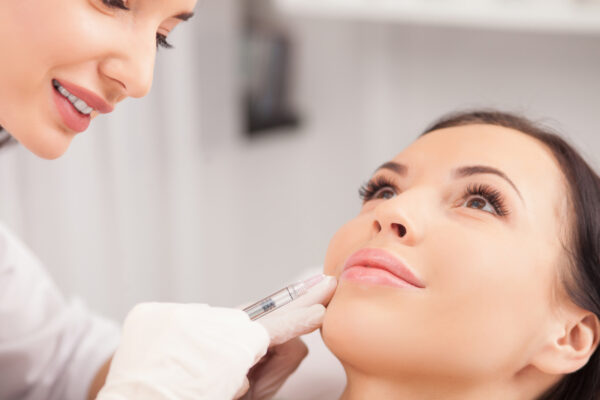
A qualified medical practitioner is administering a Botox injection to a woman.
There was a surge in bookings for cosmetic procedures after the school break, dispelling the myth that women who seek them are insecure.
The Advertising Standards Authority (ASA) upheld a citizen’s complaint that the advertisement should be prohibited because Botox is a medicine that can only be obtained with a doctor’s prescription and therefore cannot be advertised to the general public in the United Kingdom under current legislation.
The impact of social media on people’s sense of self-worth and body image, especially among new mothers, is enormous.
It is a really worrying new trend that is emerging, and a lot of people are offering mummy makeovers that involve a number of different procedures.
There is already an overwhelming amount of stress placed on mothers’ shoulders without adding the additional burden of worrying about how they look.
It is a very reckless way to direct traffic.
In accordance with the law, the ASA’s regulations clearly state that prescription-only drugs, such as Botox, cannot be publicly promoted.
Furthermore, their guidelines make it very clear that advertisements cannot prey on people’s anxieties regarding their appearance.
Advertisements should not imply that a person’s success in life or sense of well-being is contingent on their physical appearance or on their possession of stereotypically feminine or masculine traits.
The ad was banned, and the affiliated company was warned to avoid playing on people’s insecurities in the future. The reasoning behind this was that it encouraged women to focus on their own fears of aging while also reinforcing harmful gender stereotypes about how women should look.
Dentox teaches medical professionals how to administer Botox injections in the most ethical, efficient, and accurate manner possible. You will be able to make a positive difference in the lives of your patients if you educate yourself in new skills that will assist patients in improving their appearance, health, and vision. Online courses can be found at https://dentox.com/all-courses/, while in-person courses featuring real patients can be found at https://dentox.com/live-courses/.
The Potential of Modified Botox for Chronic Nerve Pain


The pain in your nerves may feel like it is shooting, stabbing, or scorching you.
Managing chronic pain is incredibly challenging, and the current drug options are severely limited by their potentially fatal side effects. Short-term pain relief is best achieved with opioids such as morphine and fentanyl; however, these drugs pose serious risks of addiction, abuse, and overdose, making them unsuitable for treating chronic pain.
To date, there is no permanent solution to chronic pain, and most painkillers come with undesirable side effects.
New methods of relieving chronic pain are desperately needed. People require medications that are both safer and more effective.
Recent preclinical studies in mice suggest that a single injection of modified Botox may provide long-term pain relief for people with chronic nerve injury pain.
Most importantly, this treatment wouldn’t increase the risk of paralysis or addiction like many pain medications do, making it easier for people to take them long-term to alleviate their chronic pain.
Models of human pain show that these novel Botulinum molecules are effective at decreasing pain-like behavior. Taking this tack has the potential to pave the way for new pain treatments, which could increase the standard of living for millions of people who suffer from chronic pain. There is no risk of paralysis or addiction when using this prolonged form of botulinum neurotoxin to treat chronic pain.
The findings of the new study show that a single injection of the precisely modified botulinum neurotoxin provides long-lasting relief in animal models without adverse effects.
Researchers were able to successfully redesign Botox using Clostridium botulinum components, resulting in a biopharmaceutical with novel properties and no unacceptable side effects.
The research team was able to produce Botox in an optimally elongated configuration by disassembling it into two parts and then reassembling it in a Lego-like fashion.
Unlike current Botox® and related Dysport® injections, which can effectively paralyze muscles, the elongated botulinum biopharmaceutical blocked the pain-related nerves without paralyzing muscles.
Botox’s paralytic activity has been a barrier to its use as a pain reliever up until this point, despite the drug’s enormous potential for use in clinical settings.
The research team showed that the modified neurotoxin was effective at blocking nerve impulses without causing paralysis.
It’s estimated that 20% of the population is dealing with chronic pain, and this technique has the potential to provide relief for at least that long (four to five months) with a single Botox injection.
Currently, it is necessary to conduct tests to determine whether or not a single injection of the novel nonparalytic blocker at the site of pain can provide humans with pain relief for several months.
Millions of people all over the world suffer from chronic pain, and it is hoped that the modified Botox will help them lead better lives.
Dentox is a course designed to educate medical professionals on the best practices for administering Botox injections. Courses for live patients can be found at https://dentox.com/live-courses/, while online options can be found at https://dentox.com/all-courses/botox-training/.
The English Government Has Just Announced a New Licensing System for Injectables Like Botox and Fillers

Botox and fillers are two examples of non-surgical cosmetic procedures that the English government has stated it intends to regulate through the implementation of licensing requirements.
Injectable treatment providers, such as those who offer Botox or fillers, will be required to have a license under the new legislation, and it will be illegal for such providers to offer their services without first obtaining a license.
Parliament is currently debating the Health and Care Bill, and an amendment has been proposed to the bill that would give the Secretary of State for Health and Social Care the authority to establish a licensing system. The vote on this amendment is expected to take place soon.
Following the completion of additional research, which will include a consultation with the general public, the scheme’s particulars will be finalized.
Even though the vast majority of people working in the aesthetics industry adhere to best practices when it comes to the safety of their patients, far too many individuals have been left with both emotional and physical scars as a result of botched cosmetic procedures.
It is imperative that we protect the well-being of patients by making it a criminal offense for anyone to carry out these cosmetic procedures without a valid license.
The proliferation of images across social media platforms has been a significant factor in the rise in demand for cosmetic procedures such as Botox and fillers.
Despite the fact that these can be carried out without risk, there has been an unacceptable increase in the number of people who have been left emotionally and physically scarred as a result of procedures that were not carried out properly.
This amendment is the next logical step toward the eventual implementation of strict regulations for non-invasive cosmetic procedures in England.
The licensing program will require therapists who perform non-surgical cosmetic procedures to meet certain standards, as well as set standards for the cleanliness and safety of the premises where these procedures are performed.
However, according to a statement released by the government, the program’s primary concentration will be on “cosmetic procedures that, if improperly performed, have the potential to cause harm.” Some examples of this category include Botox and fillers.
There is an ongoing discussion about the possibility of bringing devices, such as dermal fillers that serve no medical purpose, within the purview of medical device regulations, which is why a new licensing scheme has been implemented.
After a ban on advertisements for cosmetic procedures directed at people under the age of 18 went into effect in May 2022 and a law making it illegal to administer such treatments to those under the age of 18 went into effect in October 2021, the government has taken the latest step to protect patients by implementing the licensing plan.
The Cosmetics Industry’s Response to Botox and Filler Licenses
Our hearts are bursting with joy at the news that the government has finally enacted legislation requiring the creation of a uniform system of licensing for non-invasive cosmetic procedures.
After a year of research, the All-Party Parliamentary Group (APPG) on Beauty, Aesthetics, and Well-Being concluded that the regulation of these procedures is still disjointed, unclear, and outdated. This means that almost no restrictions exist on who can provide care and that anyone, regardless of their credentials, can provide care to anyone, anywhere. Because of this, consumers are now at risk, and the industry’s ability to progress has been stymied.
Though a legally mandated licensing framework is a positive development, it would be even stronger if it were supported by nationally established minimum training requirements for practitioners.
The government’s willingness to address this difficult problem is a major advance toward establishing the credibility of the cosmetics industry as a serious economic sector. For any new rule to be effective in raising the bar and keeping people safe, its implementation must be carefully examined.
Botox: Can It Be Given By a Medical Assistant?


Administrative and hands-on work at clinics, hospitals, and doctors’ offices are what medical assistants do every day.
A medical assistant is a member of the healthcare team who performs clerical and clinical duties in a medical setting, most frequently a doctor’s office or clinic. Their skillset includes taking vitals and administering vaccines, but does it also include botox injections?
Botox injections are not something that can be performed by medical assistants, unfortunately. Only qualified medical professionals, such as dentists, physicians, and registered nurses, are permitted to administer Botox injections.
Reasons Why Medical Assistants Are Not Allowed to Administer Botox
Injections of Botox are created using the toxin that is responsible for the illness known as botulism, which is transmitted through consuming contaminated food. Botox injections, which use a purified form of the botulinum toxin, work by producing temporary paralysis in the muscle when they are administered to.
Although Botox is most commonly used to treat wrinkles, it also has medical applications for things like migraines, bladder spasms, and lazy eyes. It’s risky to use improperly due to the muscle paralysis it causes.
It is not safe to have botox injections administered by a medical assistant, even a certified one.
Who Can Give Botox Treatments?
Medical professionals with appropriate licenses are the only ones allowed to inject Botox. Further, the majority must take certification courses specifically for administering Botox injections before they can legally do so.
- Registered Nurses. While most people associate registered nurses with hospitals, they can also be found working in medical spas where they might inject clients with Botox. Before being eligible to take the licensing exam, prospective registered nurses are required to graduate from an accredited nursing program and earn a degree of either an associate’s or a bachelor’s level.
- Nurse Practitioners. A nurse practitioner is a type of advanced practice nurse who is licensed to diagnose medical conditions and write prescriptions. Master’s or doctoral degrees in nursing are required for nurse practitioners, and applicants typically have at least a few years of experience as RNs under their belts. In order to work as a nurse practitioner, one must first earn their credentials.
- Physicians Assistants. Physician assistants (PAs) are licensed medical professionals that assist physicians in diagnosing and treating patients, giving drugs, and conducting basic surgical and medical procedures. A master’s degree and a passing score on the Physician Assistant National Certifying Test are prerequisites for working as a physician’s assistant.
- Physician. A doctor of medicine (MD) is someone who has earned that degree, finished a residency program, and taken and passed the United States Medical Licensing Exam (USMLE). Family physicians, internists, emergency room doctors, and many others make up the medical community. Botox injections can be given by any licensed medical professional.
- Dentist. A dentist is a medical professional who focuses on the oral cavity. They are able to check for cavities, remove teeth, and do other dental procedures. Dentists need a Ph.D. and a passing score on the INBDE exam.
- Surgeon. Surgeons are medical professionals who operate in operating rooms to treat patients by removing malignancies or mending damaged tissue. Before beginning solo practice, most surgeons must first earn a medical degree (usually a doctorate) and then finish a residency program lasting typically 5 years.
Dentox makes it easier for medical professionals to learn how to give Botox injections correctly and effectively. Attend a seminar at one of our many convenient U.S. locations, or enroll in a live online or on-demand class to learn at your own pace. To find out more about our live courses, visit https://dentox.com/live-courses/, and about our online Botox training, visit https://all-courses.dentox.com/botox-training/.
Raised Concerns Regarding Botox and Other Non-Surgical Cosmetic Procedures: There Has Been a Noticeable Increase in Complaints
Campaigners argue that the number of people expressing displeasure with non-invasive cosmetic procedures like Botox has reached an all-time high and that this trend is expected to continue.
A total of 2,824 complaints were submitted to the national registry of practitioners and clinic associations during the preceding year.
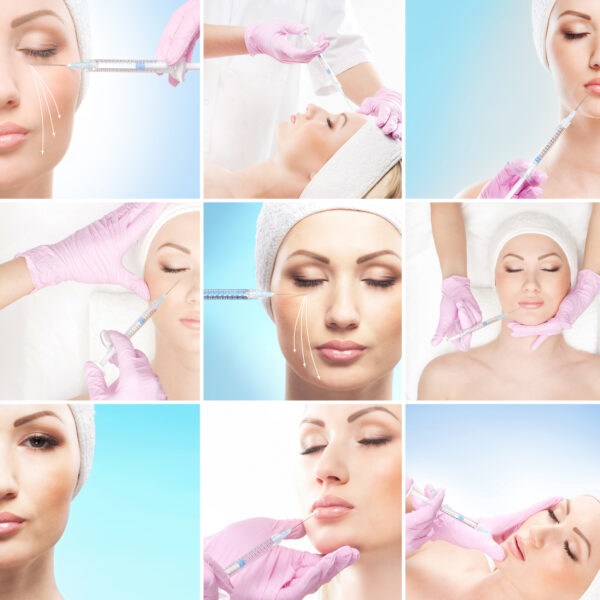
A tiny needle will be used to administer Botox to the specific facial muscles that are contributing to wrinkles.
Botox Procedures and Related Complications
When treatment issues are considered, the number is a quarter higher than it will be in 2020.
During the process of implementing a new framework for industrial licensing, there has been an increase in the number of complaints, which has led to concerns regarding inadequate public protection.
The members of parliament have expressed a desire for a quicker rollout of the policy.
At the present time, practitioners of aesthetic medicine in the UK are not required to have any kind of formal training. It gives the impression that any individual can perform filler treatments after completing the necessary training.
A health association that oversees the upkeep of a national register of doctors and clinics that administer Botox and have been subjected to stringent reviews received 2,824 complaints in the preceding year.
In spite of this, the Ministry of Health and Social Services turned down requests in February to speed up the process of implementing the regime. This has led to concerns that the implementation of the regulation could take as long as three years.
This is the case even though the number of complaints received by a health association in 2020 was significantly higher than in 2021 (2,436 vs. 2,083).
Hyaluronic acid injections as a method of rejuvenating the face
In this procedure, a chemical, most often hyaluronic acid, is injected into the face in order to reduce the appearance of wrinkles as well as improve the appearance of the lips and cheekbones.
The recent rise in popularity of women who attempt to look like celebrities like Kylie Jenner and Kim Kardashian, which has occurred in recent times, has caused some commentators to express their concern that these women are in danger of becoming victims of the cosmetic and aesthetics industry, which is largely unregulated.
When the executive chairman of the cosmetic practitioners’ joint councils looked at the amount of work that needed to be done, he agreed that the July deadline was completely unrealistic.
He predicted that no matter how hard everyone worked, it would always take them two incredibly hectic years to finish it, putting the projected release year at 2025.
With the proper education and training, you can make a real difference in your patients’ lives by assisting them in achieving their cosmetic objectives without receiving any complaints. For online classes, please go to https://dentox.com/all-courses/botox-training/, or for live patient courses, please visit https://dentox.com/live-courses/.
Watch out for Botox? In the UK, complaints about non-invasive beauty treatments are at an all-time high
Since 2020, the number of complaints about cosmetic procedures like Botox has increased by 26%. In addition, 2,824 complaints were filed against unlicensed specialists in the previous year.
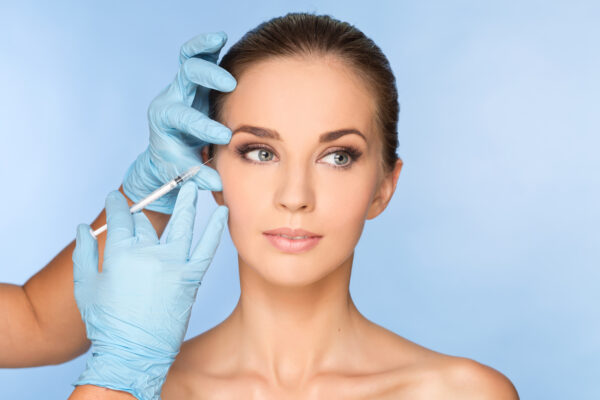
Botox provides volume and maintains moisture, while Botox temporarily paralyzes muscles to eliminate wrinkles.
Approximately 900,000 Britons get Botox injections annually, where a compound called botulinum toxin is injected into areas of the face like the forehead and around the eyes and mouth to reduce the appearance of fine lines and wrinkles. Wrinkles are reduced as a result of this procedure because muscle contractions under the skin are prevented by blocking the nerve signals that trigger them.
Unfortunately, there has been a dramatic increase in the number of complaints about non-invasive cosmetic procedures like Botox.
2,824 complaints were submitted last year to a national registry of doctors and clinics.
The amount, which accounts for treatment complications, is 25% more than in 2020.
Until a new licensing regime is implemented for the industry, there is cause for concern about the lack of public protection, as evidenced by the recent uptick in complaints.
MPs are pushing for a quicker rollout of the policy.
There are currently no requisite credentials for working in the aesthetics field in the United Kingdom. That means any interested party can take a training course and practice dermal filler treatments on their clients.
But the Department of Health and Social Care turned down requests to hasten the regime in February, raising concerns that it could take up to three years to implement the regulation.
Despite a significant rise in complaints to a UK government-approved register for medical aesthetic treatments, from 2,436 in 2021 to only 2,083 in 2020, this remains the case.
As of the year 2022, 69% of all complaints involved derma-fillers, which can set you back somewhere around £200.
In this method, a substance (typically hyaluronic acid) is injected into the face to smooth out wrinkles and enhance facial features like the lips and cheeks.
Its popularity has skyrocketed in recent years as more and more women try to emulate the likes of Kylie Jenner and Kim Kardashian, raising alarm bells among experts who fear that British citizens will become victims of a cosmetic and aesthetic industry that is largely unregulated.
One woman who sought out anti-wrinkle injections has been linked to serious complications after allegedly receiving an unapproved product.
Half of her face was surgically removed because she was plagued by infections that were eating away at her tissue and nerves.
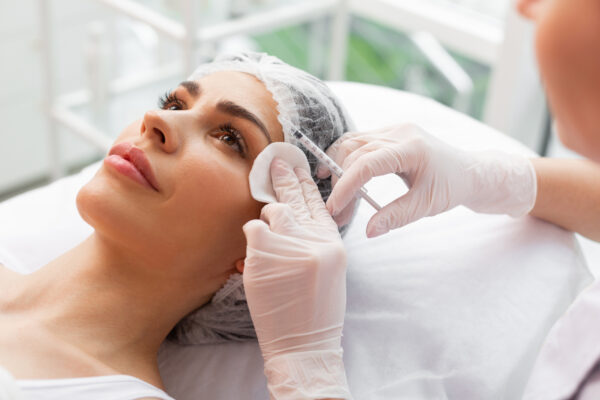
Aesthetic clinics must be under the licensing scheme before treatments to protect patients.
It could be life-threatening if it isn’t properly regulated if people aren’t given the right training, and if qualified individuals aren’t properly accredited and licensed.
With so much work to be done, the MP’s demands that the regime is in place by July were deemed unreasonable.
Two extremely busy years were always going to be required to get it ready, so 2025 was always going to be the year of its introduction.
However, safeguards could be implemented, and the government was urged to launch an appropriate awareness campaign for anyone considering receiving these treatments.
Professionals may be required to carry malpractice insurance as another safeguard against having to shell out hundreds of pounds to fix a problem that is not their fault.
In addition to the annual complaints, there are dozens of cases heard each year of people who have not had the legally mandated in-person consultation prior to receiving botulinum toxin injections.
A representative from the UK Department of Health and Social Care has stated that, after a number of fruitful meetings with interested parties, the department plans to hold its first consultation this summer regarding the procedures that will fall under the licensing scheme.
It was discovered that aesthetics clinics in the UK were running unlicensed cosmetics lotteries in which patients could win Botox injections.
It was discovered that a dozen different clinics were holding online raffles, with tickets starting at just £5 and offering the chance to win treatment packages worth up to £650.
Critics charged that those organizing the raffles were using “dangerous tactics” to encourage Britons to undergo such treatments, some of which required a prescription.
They expressed concern that making the procedures available as prizes could normalize them despite the risks.
And new studies have found that Botox may make it harder to understand the emotions of those around you.
In a study where participants viewed images of happy and sad faces, those who had received the anti-aging injections showed abnormal brain activity in regions associated with emotion.
Dentox helps medical professionals learn how to inject Botox correctly and effectively. You can register for a seminar at one of the many venues we have spread out across the country, or you can take one of our courses live online or on demand. Please visit https://dentox.com/live-courses/ and https://all-courses.dentox.com/botox-training/ for additional information about our live and online courses, respectively.
Patients with nerve injury may experience long-term pain relief thanks to modified Botox


A nerve injury can interfere with the capability of the brain to connect with muscles and organs.
Researchers have created a variant of Botox that may provide patients with chronic nerve injury with long-term pain relief.
Botox is the brand name of a muscle relaxant that is administered topically in very low doses to the face in the form of injections in order to reduce the appearance of creases and lines.
It is a protein created from the Botulinum toxin, which is produced by the bacterium Clostridium botulinum.
Botulinum toxin is safe when used at low concentrations, but large doses can cause temporary muscle paralysis.
Botox has been modified by scientists in the United Kingdom and the United States to alleviate pain without paralysis or other unintended consequences.
Although not yet tested on humans, the modified Botox appears to have a similar effect duration to that of cosmetic Botox (up to five months).
Because the currently available pain medications are limited by dangerous side effects, modified Botox may be able to help those who struggle to manage their chronic pain.
Chronic pain sufferers require additional methods for controlling their discomfort.
In other words, they require medications that are both safer and more effective.
In animal models of human pain, these newly discovered botulinum molecules effectively reduce pain-like behavior.
There are millions of people whose lives are negatively impacted by chronic pain, but this method has the potential to pave the way for the development of pain treatments that could significantly enhance their quality of life.
Since long-term use of opioid pain relievers like morphine and fentanyl carries the risk of addiction, abuse, and fatal overdose, these drugs can only be used for temporary pain relief.

Modified Botox can alleviate long-term relief from pain caused by nerve injuries.
Using Clostridium botulinum components, this method represents a novel attempt to recreate Botox.
By taking the original Botox and reassembling it with longer components, we get the “elongated” version.
This variant of Botox did not induce paralysis or other harmful effects in animal testing with rats.
There is currently no one-and-done treatment for persistent pain, and the vast majority of analgesics have undesirable side effects.
Now, we need to see if a single injection of this new nonparalytic blocker at the site of pain can produce long-lasting pain relief in humans.
It is hoped that the modified drug will help millions of people around the world who live with chronic pain.
Training for Botox is currently being made available to those working in the medical field. Online courses can be found at https://dentox.com/all-courses/, while in-person courses featuring real patients can be found at https://dentox.com/live-courses/. Gaining new abilities that have a positive effect on patients’ looks, health, and vision will improve their quality of life.
How to Recognize and Prevent Spock Eyebrows
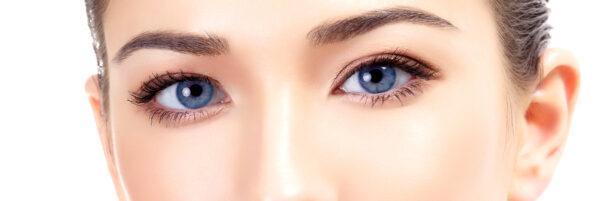
Many people would like their eyebrows to be perfectly shaped.
Spock eyebrows are nothing to make light of, despite their humorous moniker. Spock eyebrows, also known as Spock brows or Joker’s eyebrows, get their name from the famously arched-eyed Star Trek character. They develop when Botox® is injected in the incorrect location of the lower forehead and brow area.
We aren’t picking on Botox in particular. Spock eyebrows may result from using any neuromodulating drug made with botulinum toxin type A, such as Botox®, Dysport®, and Xeomin®.
Even though the effects of Botox are supposed to be temporary, the Spock eyebrows some people experience can last for months.
Spock Eyebrows: What Are They?
Treatment with Botox for frown lines, crow’s feet, or brow lifting often results in the unintended side effect of a “Spock brow.”
The condition, marked by an exaggerated outward arch of the eyebrows, typically manifests itself within a week of starting treatment. The effect typically lasts for four to six months, or until the medication is no longer effective.
Uneven Botox injections can cause a “Spock eyebrow,” which appears when the muscles in the forehead are no longer properly balanced. It occurs when the frontalis muscle, which makes up the majority of the forehead, is not injected with Botox along with two other muscles in the area (the procerus muscle, which runs up the center of the forehead from the nose, and the corrugator muscle, which runs along the top of each brow). The frontalis muscle pulls the brow upward and outward while the procerus and corrugator muscles are paralyzed, giving the face its characteristically arched appearance.
Avoiding Botox-Induced Spock Brows
Spock eyebrow can’t be avoided by simply dosing the frontalis muscle properly. Over-injecting the frontalis muscle can lead to additional issues, and each patient’s forehead anatomy is unique.
Some skilled injectors recommend splitting up a Botox treatment for the forehead into two appointments, with the first session consisting of a lower dose of injections followed by a touch-up session 10 to 14 days later. The risk of a fatal overdose from a first injection is decreased, and the results can be fine-tuned and tailored to the individual. (The only solution here is to be patient and wait for it to resolve itself over the course of several months.)
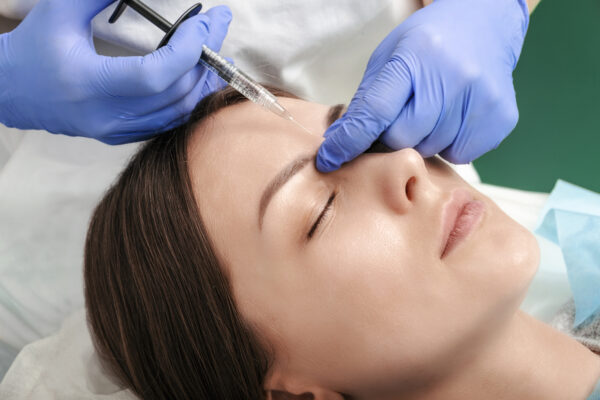
It is possible to fix Spock’s eyebrows with more Botox treatments.
Can Spock Eyebrows Be Fixed?
Prevention is always preferable to treatment when it comes to cosmetic issues, and patients who don’t want Spock’s eyebrows are no exception. The best way to lessen your chances of experiencing any complications from Botox, including the development of Spock’s eyebrows, is to work with a seasoned injector who has done countless treatments on the forehead and brows.
However, even the most skilled injectors of Botox occasionally make mistakes. What can you do if you start to develop a Spock brow after getting Botox?
With additional Botox injections, Spock eyebrows can be corrected. The key is to be patient, though.
Although the effects of Spock’s brow are visible within a few days, the full effects of botulinum toxin type A may not be seen for up to two weeks. Make sure to schedule your follow-up appointment at least two weeks after your initial treatment if you want to maintain the brow arch you’ve achieved.
If your original injector is unwilling to provide free touch-up injections or you no longer feel comfortable working with them, you should find someone else who has a solid track record of satisfied patients. They may provide the service at no cost or at a steep discount in the hopes that you will use them as your primary source of aesthetic medicine.
The Dentox training program may teach you how to use Botox to fix your Spock’s eyebrows. Dr. Howard Katz is, without a doubt, the most skilled and accomplished expert trainer in the area of cosmetic and therapeutic injectables. Join us, and we’ll show you how to become an outstanding injector who can deliver results that blow the doors off the expectations of your patients.
Attend a seminar in person at one of many locations across the United States, or sign up for a live online or on-demand course. Live courses can be found at https://dentox.com/live-courses/ and online courses can be found at https://all-courses.dentox.com/botox-training/.


