


Gym TikTok’s “Trap Botox” Is a Hit


Weightlifting can lead to targeted muscle growth in desired areas, such as the glutes and legs, but may also result in unintended muscle growth, such as in the trapezius.
Botox’s off-label uses include relieving migraine pain, spasms, and bladder issues. A growing number of people, however, are discovering additional off-label applications for this injection. Most bodybuilders and athletes put a lot of time and effort into strengthening the trapezius, a muscle that runs from the top of the head to the top of the shoulders and down the upper back. However, if you feel you’ve gained too much muscle on your back or if you regularly find yourself with poor posture as a result of working at home, this can lead to a more rounded, bulky appearance than you were going for. That’s why there’s trap Botox, a treatment designed to reduce the size of the muscles in that area of the body.
Trap Botox’s Aesthetic Potential
Many women go to the gym with the intention of losing weight, getting stronger, and improving their physique without developing a “bulky” appearance. Although this is a matter of taste, there are many people whose primary goal is to pack on as much muscle as possible, making it difficult for those whose aesthetic preference is to maintain a long and lean physique. Working out with weights and increasing your muscle mass will result in gains in the areas you want to build, such as the glutes and legs, but it may also result in gains in areas you weren’t necessarily looking to bulk up, such as the trapezius.
You could stop going to the gym altogether or focus solely on cardio if you wanted to reduce the appearance and size of this muscle, but that would result in a reduction of muscle mass everywhere. Consequently, many people are having Botox injections to get rid of the extra fat around their necks and shoulders.
Medical Applications of “Trap Botox”
The benefits of controlling an overactive trapezius go beyond mere aesthetics. Stiffness and pain in the upper back and neck are common complaints among those who regularly sit with poor posture, especially those who spend their days hunched over a phone or computer. The trapezius muscle is constantly under tension and flexed in this position as it bears the brunt of the load on your head. If done frequently, it could result in lingering discomfort and even give the shoulders a more rounded appearance, a condition known as a text neck.

When injected into the trapezius, Botox can reduce stress and stiffness from muscle overuse.
Botox injections into the trapezius muscle can ease the stress and stiffness caused by the muscle’s overuse. While these injections can only provide temporary relief, they can buy you some time to focus on other strategies for enhancing your posture and reducing your reliance on this muscle.
What should you anticipate from this injection?
Locating a competent medical professional who performs shoulder injections should be your first step. Unlike Botox for the face, this one may require a bit of research to uncover. However, if you want the best results from your trapezius Botox, it’s best to find a provider who has experience with this area in particular. When you and your doctor have decided that this is the best course of action, you can then schedule a consultation to go over your goals for the injections in greater detail. They may also be able to show you before and after pictures to give you an idea of how the procedure will change your appearance.
Once you’ve done that, you can make an appointment to get your injections. Although this procedure isn’t particularly enjoyable, you shouldn’t experience any severe pain or have any recovery issues. Injections can cause pain, but icing the affected area after you get home can reduce swelling and provide temporary relief.
Do any dangers exist?
Despite the unsettling thought of willingly injecting a neurotoxin into your muscle, Botox is a relatively low-risk cosmetic procedure. Problems may arise if you visit an unqualified provider, but if you check that they maintain a clean and secure facility, you shouldn’t have any problems. It’s possible that the area around the injection site will be sore or bruised immediately after the procedure, but both of these side effects should fade over the next few days. Botox may also spread to other parts of the body and weaken or impair the function of other muscles; however, this is unlikely to be an issue if administered by a trained medical professional.
It is also possible, albeit highly unlikely, to develop an allergy to Botox. A trip to the emergency room is warranted for anyone who develops a rash, significant swelling, hives, or trouble breathing, even if such reactions are rare. The warnings should be taken seriously, however, to prevent any further damage.
What is the price of “Trap Botox”?
Your doctor’s fee structure, the average cost of medical care in your area, and the quantity of Botox you require to achieve your goals all play a role in how much your full trapezius Botox session will cost. Botox typically costs between $10 and $15 per unit, and about 50 units are injected into the trapezius muscle on each side at a total of five different points to reduce its activity. Depending on the specifics of your case, the total cost per session could be anywhere from $1,000 to $1,500 when both sides are considered.
Dentox is a course designed to educate medical professionals on the proper way to administer Botox injections. Discover cutting-edge methods for improving your patients’ well-being. Visit https://dentox.com/all-courses/botox-training/ for details on our online patient training courses, and https://dentox.com/live-courses/ for information on our in-person training sessions.
At-home Botox and filler treatments are a potentially lethal new fad


Social media sites like TikTok are making younger generations more familiar with aesthetic treatments and more confident in doing them themselves.
The popularity of administering Botox and fillers at home is on the rise. Recent data shows that demand for these therapies has skyrocketed in the wake of the pandemic, with more people opting to give themselves injections at home. Younger generations are becoming more familiar with aesthetic treatments and more confident in performing them on their own thanks to the proliferation of social media platforms like TikTok.
Regrettably, as the medical aesthetics market grows in popularity, more and more people will opt to treat themselves at home. It’s crucial to emphasize the grave risks associated with self-administering any kind of injection. Among the most serious issues brought on by this trend are listed below.
Lack of training: Due to the serious nature of Botox and filler injections, not enough people have the proper training to perform them. Vascular occlusion is just one of many potentially fatal complications that can arise from attempting to self-administer these treatments. When a substance enters a blood vessel, it can cause a clot to form, which blocks blood flow to vital organs and tissues and may lead to blindness.
Inadequate hygienic practices: In order to avoid spreading infection and other complications, it is crucial to practice good hygiene before and after administering these treatments. When people give themselves injections, they may not use properly sterilized needles or properly dispose of used needles, and they may not have access to medical-grade cleaning solutions.
Incorrect dosage and depth: Using too much or too little product can result in a number of issues, including pronounced asymmetry, facial paralysis, and droopy eyelids. A trained medical professional will know the ideal injection depth to minimize risk and maximize natural results.
Use of non-US products: Products that have received FDA approval have undergone extensive testing to ensure their efficacy and safety. People are purchasing goods from other nations over the internet, but we have no idea what is in them or how safe they are.
Adverse effects: Allergic reactions or other issues that call for medical attention can occasionally occur in patients. It’s crucial to realize that trained injectors and medical professionals can administer these treatments safely, hygienically, and successfully.
Despite the convenience of at-home Botox and fillers, it’s important to find a licensed medical expert for these treatments.
Dentox makes it easier for medical and aesthetic professionals to receive training in administering Botox injections safely and effectively. You can register for a seminar at one of the many venues spread out across the country, or you can enroll in one of our live online or on-demand courses. Please visit https://dentox.com/live-courses/ and https://dentox.com/all-courses/ to learn more about our live courses as well as our online ones.
Reasons Why Dentists Ought to Receive Training in Facial Aesthetics

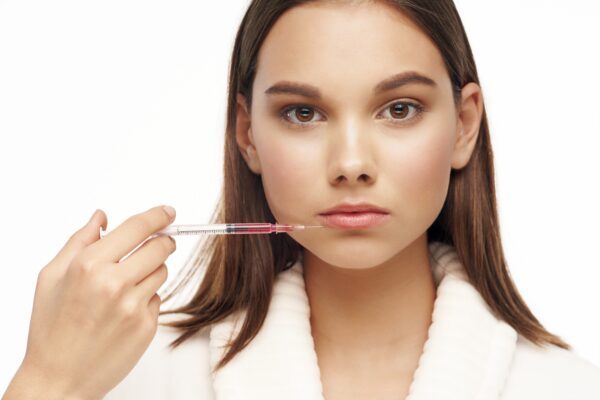
Botox and dermal filler training can open up a whole new world of opportunities for dental professionals, and here at Dentox, we are well aware of the significance that medical aesthetics can play in the practice of medicine. Working in this industry is not only financially rewarding but also extremely exciting!
Let us explain in more detail:
Raise the amount of money you make:
Imagine how much additional money you will have after five treatments if each one costs hundreds of dollars: that’s how much you can expect to earn. The time commitment for treatments is low, and you might be surprised to find that many of your current patients would appreciate advice on cosmetic procedures in addition to their regular checkups.
Work-life harmony:
Aesthetics provides a great deal of work-life balance by allowing you to easily expand your practice to include new services, or to work full- or part-time without abandoning your current career.
Adding to your prior understanding of facial injectables: Being a dentist, you probably have a lot of experience with needles and a thorough understanding of facial anatomy because your entire professional career has been devoted to the face. It’s like finding the golden ticket to the world of medical aesthetics!
Continue to learn:
It’s great to work in medical aesthetics and very satisfying due to the ongoing development of fresh procedures and methods, there is always something new to learn.
Better serve your cosmetic dentistry clients: Dentistry and facial aesthetics go hand in hand, whether one is trying to reverse the effects of aging or simply make oneself and one’s patients look better and feel more confident. Once you’ve mastered the technique, you can use botulinum toxin’s muscle relaxant properties in a variety of dental procedures; in fact, it can even help patients who are having trouble getting used to their new dentures.
A simple plan for launching your own aesthetics business:
Our introductory classes teach you the fundamentals of running a business and promoting your goods and services, and we’ll be here to help you long after practical Aesthetic Training courses are recognized by Cosmetic Insure and the other leading providers of medical aesthetic insurance, making it simple to obtain coverage upon course completion.
How dentists can get their hands-on experience in facial aesthetics
When it comes to selecting providers of continuing education, you should place the utmost importance on the amount of experience they have. You should confidently boast to your coworkers and patients that you were taught by the world’s leading expert in your field.
Dentox is directed by Dr. Howard Katz, who also serves as the course’s lead instructor. His name is included in dental therapy patent applications involving botulinum toxins (such as Xeomin, Dysport, and Botox) that were submitted by Allergan. These applications were for dental therapy patents.
Dentox is excited to offer the most cutting-edge Botox and gel filler training currently available. This training will be provided by the same scientist-dentist-clinician whose name appears on the patents corresponding to these treatments.
Dentists on staff at detox centers are experts in the field and will monitor your progress as you learn new techniques.
Dentox is a California-based dental education provider that follows all requirements of the Dental Practice Act in effect in your region. To further set ourselves apart, we will never recommend a treatment or material that isn’t guaranteed to work or could harm either of our brands.
Discover cutting-edge methods to improve your patients’ physical appearance and overall well-being. If you take the time to get the training you need, you can help your patients. Go to https://dentox.com/live-courses/ and https://dentox.com/botox-training/ for more information on online and in-person patient training events, respectively. We’re excited to help you make the leap from skilled dentist to aesthetics guru.
Masseter Botox May Provide Relief for Jaw Pain
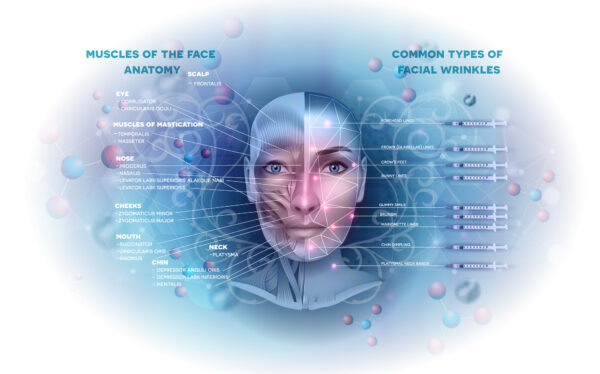
Since 1980, ophthalmologist Jean Carruthers found that neurotoxic injections reduce wrinkles, making them the most popular cosmetic procedure in the US.
Botox injections are like a perpetual present if administered by a trained expert. Injections containing the neurotoxin have become the most popular form of cosmetic surgery in the United States ever since their wrinkle-reducing effects were discovered in the 1980s by ophthalmologist Jean Carruthers. Although the forehead and crow’s feet are two of the most common areas to get Botox, other, off-label areas, such as the masseter, are gaining in popularity.
You may have heard that those suffering from TMJ or jaw pain can get some relief from Botox injections. Botox injections into the masseter muscle paralyze or weaken the muscle, and this procedure is known as “Masseter Botox.” The masseter is a muscle used for chewing that is situated in the area of the jaw, which is a place where people often carry stress and tension.
People may choose to get the injection there for a variety of reasons. Here, I’ll explain everything you need to know about masseter Botox, from its price to whether or not you’re a good candidate for the treatment.
What is the procedure for Masseter Botox?
Getting Botox for your masseter looks very similar to getting the injection anywhere else, with one key difference. The muscle receives an injection of the toxin. Medical professionals frequently have patients clench their jaws tightly so they can feel and sometimes even see the masseter muscle.
Depending on how much Botox is available, practitioners may inject at multiple points in the masseter due to its size (usually there are about three to four injections total). They should also let patients know that the full effects of masseter Botox may not be visible for up to two weeks and that the injections typically lose their effectiveness after three to four months.
Masseter Botox’s Advantages
People get this treatment for a variety of reasons, and the main ones are both cosmetic and medical. The masseter contracts when you chew, and you might feel a tough muscle along the side of your face. The muscle is necessary for chewing, but occasionally it works too well and enlarges as a result. This enlargement can be hereditary or acquired through excessive use from habits like gum chewing, teeth grinding, or other similar repetitive motions.
An enlarged masseter muscle, also called “masseter hypertrophy,” can make the lower face and the area behind the jaw appear disproportionately broad and thick. This can also trigger medical conditions, including migraine headaches and TMJ. In addition, those with particularly robust masseter muscles may be able to clench their jaws to the point where they crack their teeth.
Here’s How to Figure Out If Masseter Botox Is Right for You
The choice to undergo a procedure, like all others related to your appearance and health, is one you must make for yourself. However, if you’re still on the fence about getting masseter Botox, here are a few things to think about. Some people will know they are ready when they have tried everything else to fix their problem. You may want to try this if other treatments for headaches, TMJ, or jaw pain have failed to alleviate your symptoms.
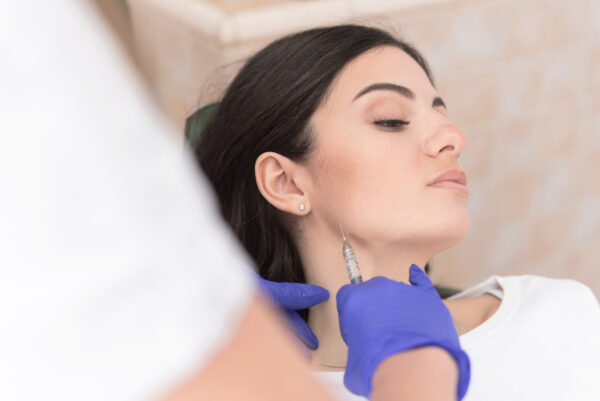
Masseter Botox paralyzes the muscle, therefore once it’s completely functional, it will shrink owing to lack of use, changing the appearance of the area.
Others will know they need masseter Botox when they consider their lower face to be too wide or square because of their pronounced masseter muscles. Since masseter Botox paralyzes the muscle, once it’s fully functional, the muscle will start to get smaller over time due to lack of use, altering the shape of the area. If you’re considering masseter Botox but aren’t sure if it’s right for you, it’s best to consult a licensed medical or dental professional who can answer any questions you may have before deciding to get the injections.
Masseter Botox’s Disadvantages
Not everyone can benefit from Botox injections in the masseter muscle. If you’ve been getting injections to treat TMJ or jaw pain, you might notice that they’ve altered your face’s appearance. Since the paralyzed muscle isn’t being used, it atrophyes when exposed to the neurotoxin. For this reason, many people choose to forego treatment; if you fall into this category, discuss mouth guards, massages, and other pain relief options with your healthcare provider as alternatives.
What Is the Price of Masseter Botox?
Botox prices, like those of most other treatments, can range widely from patient to patient and injector to injector. However, unlike many primarily cosmetic treatments, Masseter Botox occasionally qualifies for insurance coverage. Injections of Botox into the masseter muscle are sometimes covered by insurance because they are sometimes administered for medical or dental purposes. It’s best to talk about payment with your doctor before getting an injection because most insurance companies require preapproval and not all injectors are willing to accept insurance.
With this newfound knowledge about masseter Botox, you can take one more step toward achieving your health and beauty targets. Whether you’re considering an injectable, surgical, or other procedure, it’s important to work with trained professionals who can address your concerns and provide you with all the information you need before making a final decision.
Medical practitioners can now take advantage of available Botox training. Courses are available online at https://dentox.com/all-courses/, and in-person with live patients can be viewed at https://dentox.com/live-courses/. Gain knowledge that can be applied to the betterment of patients’ health, vision, and overall quality of life.
The advertising of Botox by a car dealer has been banned by watchdog


Instagram barred a former reality TV contestant from advertising Botox treatments, which require a doctor’s prescription.
A former reality TV contestant was banned from posting advertisements for Botox treatments on Instagram because the posts promoted a medicine that could only be obtained with a doctor’s prescription, used so-called “celebrity” endorsements, and did not make it clear that the posts were paid advertisements.
In the month of June, a car dealer who had previously been engaged to former glamour model Katie Price posted six Instagram stories advertising a facial aesthetic clinic.
They showed a car dealer reclining on a treatment chair in a salon while he was being injected with a syringe, and he said something to the effect of, “You’re going to make me look brand new, yeah?” Some showed him getting an injection in the middle of his forehead with a syringe.
In the sixth story, he said that the anti-wrinkle injection with her was yesterday, and the best part is that it didn’t even hurt. He can’t wait to see the results in two weeks; he’ll look brand new.
Here is a statement from the Advertising Standards Authority:
“While we appreciated that the ads provided useful information, we felt that they also served to promote Botox by making the product seem more appealing to consumers.”
A clinic has verified that he was not required to pay for the Botox treatment that was featured in the advertisements; however, they have stated that they did require him to post about it.
They also told the ASA that they knew it was against the rules to advertise Botox because it was a prescription-only medicine, but that they didn’t know it was also against the rules to make references to anti-wrinkle injections.
He told the ASA that he was just sharing his own experience online and was in no way endorsing any sort of cosmetic procedure.
He verified that the posts had been taken down since their initial publication.
The ASA stated that he had implicitly agreed to republish content and that a clinic had editorial control over the language he used.
According to the ASA, “We considered that the advertisements promoted Botox, making it seem more alluring to consumers, rather than simply providing factual information.”
Further, it was revealed that he had about 230,000 Instagram followers and fancied himself a reality TV star.
Dentox trains doctors and nurses in the proper techniques for administering Botox injections to patients in a way that is both safe and effective. You can make a positive difference in your patients’ lives by expanding your knowledge of how to help them feel better about themselves physically, mentally, and visually. Visit https://dentox.com/all-courses/ for the online course, or https://dentox.com/live-courses/ to attend a class with real patients.
In Search of Cosmetic Procedure Regulations

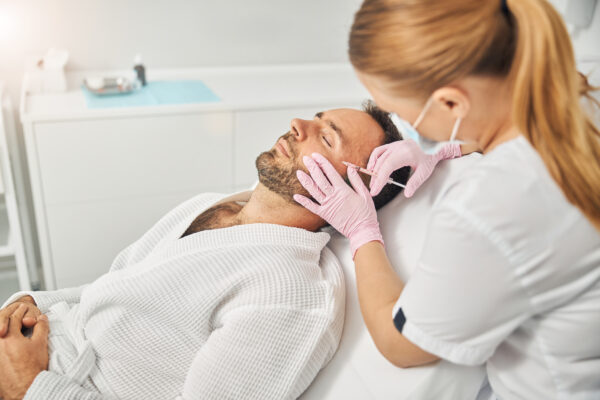
Injectables such as Botox necessitate a medical license and hence cannot be administered by estheticians or cosmetologists without the supervision of a doctor.
I’m curious as to the frequency with which patients seek your services after having an aesthetic procedure performed elsewhere (i.e., not at a dermatology or plastic surgery clinic). Have you given any thought to who can participate in cosmetic injection training programs like boot camps and other educational programs? Recently, I’ve been, and it’s prompted some reflection.
The beauty industry has exploded in the last two decades. It is anticipated that it will exceed $270 billion by the year 2024. Injecting neuromodulators and fillers is common practice in many fields and is quickly becoming the norm in modern society. Also of note is the fact that the number of Botox injections administered has risen by an incredible 845% from 2000 to 2018. But where should we set limits on who is allowed to inject?
Although the aesthetic industry is regulated by a government body that ensures all practitioners are properly licensed, horror stories continue to circulate. So why are we letting people who should have proper training or foundational skills (i.e., residency, years of practice in dermatology/plastic surgery) carry on with this art form that takes a lot of time and effort to master?
State laws determine which professions are eligible to inject, but neither dermatology nor plastic surgery training are prerequisites. In addition, injectables like Botox require a medical license and therefore cannot be administered by estheticians or cosmetologists without a doctor’s supervision. Rather than the Texas Department of Licensing and Regulation (TDLR), the Texas Medical Board (TMB) is responsible for enforcing this law.
Since the administration of injections is considered medical practice in all states, only those with appropriate training and/or a valid medical license are legally allowed to do so. Therefore, a medical assistant can only inject under a doctor’s supervision and only if the doctor gives them the go-ahead to do so. It is illegal to inject or examine patients without a valid medical license. This “medical assistant” title is not well defined.
The Food and Drug Administration regulates injectable fillers, neuromodulators, and other types of cosmetic neuromodulation technically as “prescription” drugs. So why are people who can’t legally prescribe drugs doing so in an artistic manner? We are taught to limit our work to the parameters of our degree when we get our license, but who sets those parameters for the cosmetics industry? Who is providing the oversight to make sure only qualified people are giving the injections?

Many dentists, gynecologists, pediatricians, family doctors, and emergency department physicians have run med spas or given injections without sufficient dermatological or cosmetic surgery training.
There are a plethora of alternatives if you’re looking for a cosmetics course, but how extensive are they in terms of required attendance, credentials of instructors, and scope of participants? Numerous dentists, gynecologists, pediatricians, family doctors, and emergency room physicians have reportedly opened med spas or administered injections despite lacking appropriate training in either dermatology or plastic surgery. Unfortunately, many APPs who have worked in dermatology for a long time are restricted from offering aesthetic services to their patients.
All licensed professionals, including nurses, estheticians, NPs, PAs, MDs, DOs, and dentists, are on an equal footing when it comes to cosmetic procedures thanks to the knowledge we gained while earning our degrees, with the exception of dermatologists and plastic surgeons, of course, who have specialized training in injecting neuromodulators and fillers after completing 4 and 6 years of residency, respectively.
We have access to training that goes beyond our initial degrees, so anyone can become an expert in their chosen field. Every single one of us should be a fervent supporter of education because it is crucial to the development and evolution of the human soul. If seasoned dermatology APPs aren’t given the opportunity to broaden their medical horizons, it may be to the patient’s detriment, and the patient may end up seeing a doctor who has little to no background in dermatology or plastic surgery.
This leads me to discuss the education of APPs, which is comparable to that of MDs, NPs, and estheticians in that it covers the fundamentals of medical and nursing practice within the APP’s area of expertise. Nevertheless, it is an issue that needs to be addressed when the opportunity to inject patients varies between the two professions, such as between a dermatology PA and NP, or when it is given to someone with a lower degree or no degree at all. In the end, advanced practice pharmacists have advanced degrees and are able to prescribe medications.
APPs receive additional dermatology training and work under the supervision of a board-certified dermatologist or plastic surgeon. Working closely with a physician and continuing education are crucial for gaining a comprehensive understanding of facial anatomy, which can take years. It is recommended and helpful to become well-versed in the various injectable fillers currently on the market.
A dermatologist or plastic surgeon can help a patient achieve their aesthetic goals by assessing the state of their skin, learning about their expectations for the procedure, and going over the process from beginning to end with them. They learn these fundamental abilities as part of their training. They will be equipped with the knowledge and resources to take corrective action if something goes wrong.
Injecting substances is considered medical practice in many jurisdictions. Therefore, the injector should have the appropriate education and experience, the highest quality product should be used, and the indications, contraindications, aseptic injection techniques, and adequate localization should all be adhered to.
All aesthetic medicine practitioners (APPs) in dermatology and plastic surgery should have access to training in the field; however, we need better regulation regarding the industry’s reach beyond these specialties and the practice of allowing estheticians, medical assistants, or anyone without a medical degree or the requisite foundational knowledge of these fields to inject.
Medical professionals can now receive instruction in Botox administration. Courses can be taken online at https://dentox.com/all-courses/ or in person at https://dentox.com/live-courses/ with actual patients. Learn how to improve patients’ appearance, health, and vision and thereby enhance their quality of life.
Multiple Sclerosis Spasticity: Could Botox Help?


Myelin assaults by the immune system cause multiple sclerosis. Myelin sheath degeneration can induce nerve dysfunction and bladder, arm, leg, and trunk spasticity.
Is it possible that this infamous cosmetic treatment could actually help your multiple sclerosis? Maybe, actually. Let me explain.
Treatment for multiple sclerosis (MS) can include a variety of approaches, each tailored to the individual patient based on their symptoms and their way of life. Relapses, symptoms, and the progression of MS can all be mitigated by using disease-modifying therapies (DMTs), which work by dampening the immune system activity that characterizes the disease. Muscle spasticity and urinary retention are two symptoms that Botox (onabotulinumtoxin A) may be able to alleviate.
Botox is a neurotoxin that can be injected to relax muscles in the forehead and reduce the appearance of frown lines and other facial wrinkles. However, it is also put to medical use, notably in the treatment of migraines and the control of excessive perspiration.
When treating multiple sclerosis (MS), Botox can be helpful for treating muscle spasticity, which refers to the involuntary contraction of a muscle. This includes bladder spasticity. The following information is necessary for you to be aware of if you are thinking about getting Botox treatment for multiple sclerosis.
In multiple sclerosis, what exactly is spasticity?
In multiple sclerosis, the immune system mistakenly targets the myelin sheath, which insulates and cushions the nerves. Myelin sheath degeneration causes nerves to malfunction, which can lead to spasticity in the muscles of the trunk, arms, legs, and bladder.
Most people with multiple sclerosis also experience spasticity in their limbs and problems controlling their bladders; Botox is just one treatment option for these symptoms. Given the difficulty of addressing these symptoms, it is helpful to have as many options for treatment as possible.
Botox Treatment for Multiple Sclerosis
Botox is typically used to treat urinary incontinence and muscle spasms, both of which are common symptoms of multiple sclerosis. According to the National Multiple Sclerosis Society, approximately 80% of people with MS experience bladder symptoms, which can have serious psychological consequences such as aversion to liquids, reluctance to participate in social situations or physical activity, worry about incontinence during intimate moments, disturbed sleep, increased tiredness, and shame.
A study published in Current Neurology and Neuroscience Reports reports that the prevalence of spasticity in MS patients ranges from 60% to 84%. Spasticity manifests itself in a wide variety of ways, from a generalized sense of stiffness to specific areas of the body (most commonly the legs) experiencing involuntary muscle spasms that can become so painful that they limit movement. Muscles can become so rigid that it’s hard to move your limbs.

Botox has been proven useful for treating bladder issues and spasticity by inhibiting acetylcholine, which causes muscle spasms.
Muscle spasms can be treated with Botox by blocking acetylcholine, which has been shown to be effective for bladder problems and spasticity. According to a meta-analysis of 18 studies, 42%-87% of people who received Botox for overactive bladder reported that it had completely eliminated their incontinence issues. Recent research has not been able to quantify the benefits of Botox for MS spasticity, but it has been found that nearly 90% of participants are still receiving injections three years after starting treatment.
As an example, if leg muscle spasticity is significantly reduced over the course of three to four months, this can improve the efficacy of physical and occupational therapy and lead to better sleep, all of which have positive effects on the patient’s mood, energy, inflammation levels, and immune function. Anxiety relief, increased social activity, boosted confidence in day-to-day situations, and improved sleep quality are all potential side effects of treating bladder dysfunction.
Botox would likely be prescribed alongside other treatments and potential lifestyle adjustments. Botox isn’t something we’d do first if other methods, like medication, have failed, but it can be a helpful option if necessary. DMTs are the standard treatment for multiple sclerosis.
How Things Are Done
The clinical application of Botox will vary depending on the symptom being treated and the expertise of the physician administering the injection. A neurologist may refer you to a urologist who can administer Botox for bladder dysfunction, but they’re the ones who’ll handle limb muscle spasticity.
A muscle-specific injection is used to treat spasticity in the limbs. Electrical signals are sent through the needle to contract the muscle and ensure an accurate injection. Your doctor will know which muscle to inject Botox into based on how much it contracts. A study published in the Journal of Neurology, Neurosurgery, and Psychology found that spastic muscles contracted significantly less than relaxed muscles.
When dealing with bladder dysfunction, things get a little more complicated, but they don’t take long at all. The procedure is as follows:
- You will have a catheter inserted into your bladder and a local anesthetic like lidocaine will be injected into the bladder lining to numb it.
- After waiting around for half an hour, the urethra is opened and a small scope with a camera on the end (called a cystoscope) is inserted into the bladder..
- By inserting a thin needle through the scope, Botox solution is injected into the bladder muscle.
It is possible to numb the bladder and perform the injection itself in under an hour, meaning that the entire process can be completed in under thirty minutes.
A patient may benefit from your help if you have the appropriate education and experience to do so. Dentox can help you get the best training possible so that you can give your patients the best care possible and expand your business. Dr. Howard Katz is widely regarded as one of the best injectable trainers in the United States.
He provides his students with a variety of learning options, including in-person, online, and on-demand lessons. You can find online courses at https://dentox.com/all-courses/botox-training/ and live courses with actual patients at https://dentox.com/live-courses/.
Prevent Bruising and Swelling Before Botox Injections with *This* Ingredient


A perennial yellow flower, Arnica Montana has been used by homeopaths since the 1500s.
It’s natural to worry about the possibility of bruising and swelling after injectable treatments, whether you’re a regular recipient of Botox or filler or are thinking about becoming one.
Dermatologists advise using one particular ingredient to reduce the visibility of bruises and swelling. It’s arnica, claims a dermatologist with board certification.
Arnica: What Is It?
Arnica, or arnica montana to be technical, is a homeopathic remedy that has been used medicinally since the 1500s and is derived from a perennial yellow flower. After medical procedures, doctors often prescribe arnica, which can be taken orally or applied topically (in the form of a cream or gel).
Why is arnica often suggested prior to receiving injectable treatments?
In clinical practice, arnica has long been used to reduce swelling and bruising after surgical and nonsurgical procedures. A board-certified cosmetic dermatologist has recommended arnica for post-injection care for years after witnessing its positive effects on patients. When applied topically, it helps reduce inflammation, loosens tight muscles, and eases aching muscles.
At what point should arnica be used to reduce the risk of adverse effects from injectables?
Arnica can be used a few hours after the injection. However, since everyone is unique and your doctor is the one who knows you and your medical history the best, it is always best to abide by any post-care instructions they may give you. It doesn’t matter what time of day you use arnica; just make sure to always apply it to clean skin.
Is it possible that some people should not take arnica?
Though it’s safe for most people, if you have a history of skin allergies, sensitivity, or dermatitis or are pregnant, it’s best to check with your doctor before using arnica. Those with a history of blood clotting problems or strokes should not take oral arnica. You may ask your dermatologist about it during your next appointment.
A training program called Dentox teaches medical and aesthetic professionals how to inject Botox safely, effectively, and with the least amount of waste. Contact Dr. Howard Katz if you want more details about dentox programs.
As an alternative, you can enroll in a live online or on-demand course or attend a seminar in person at one of many venues across the US. To access online courses for botox training, go to https://dentox.com/all-courses/botox-training/, and to access live courses with actual patients, go to https://dentox.com/live-courses/.
Botox and Dermal Treatments: Physician Assistants’ Contribution


Medical assistants are essential when it comes to administering neurotoxins like Botox through injection.
When it comes to injecting neurotoxins like Botox, physician assistants (PAs) play a crucial role. These cosmetic procedures have become increasingly popular in recent years, so familiarity with the experts who perform them is essential.
In the clinic, PAs collaborate closely with dermatologists and other aesthetic medicine practitioners. The advanced training that PAs get allows them to perform a wide range of procedures, including dermal treatments and Botox injections. Their duties, however, may vary according to the laws and regulations under which they operate and the specific healthcare facilities in which they work. If you want to be happy with the care your PA gives you during cosmetic surgery, you need to know what they do.
Learning About Dermal Treatments and Botox
Starting with Botox, it has become a popular name in the field of cosmetic medicine. The bacterium Clostridium botulinum produces a neurotoxic protein known as botulinum toxin, or Botox for short. The temporary relaxation of face muscles by this protein is responsible for its anti-wrinkle effects. Injecting Botox into problem areas, including the forehead, crow’s feet, and frown lines between the eyebrows, might help you look younger and more refreshed.
Nevertheless, dermal treatments are a more general term for a variety of skin rejuvenation and problem-solving cosmetic operations. Substances like fillers and collagen stimulators are used in these procedures. Injectable fillers are used to treat volume loss, fine lines, and wrinkles, and improve the overall shape of the face. Yet collagen stimulators are able to achieve their desired effects by encouraging the body to produce collagen on its own.
The advantages of Botox and dermal treatments are not limited to their cosmetic effects. Individuals who have these procedures frequently report feeling more confident and looking younger as a result.
While Botox and dermal fillers are generally safe in the hands of trained specialists, these factors should never be compromised. The potential for unwanted side effects can be reduced by working with a skilled professional who is familiar with facial structure and injection procedures. Only licensed medical professionals or accredited facilities should be in charge of providing people’s healthcare.
Choosing a physician for Botox and dermal treatments requires careful consideration of their training and experience. These operations require an in-depth understanding of facial anatomy, injection techniques, and patient expectations on the part of the healthcare professional performing the procedure. By placing a premium on education, we can guarantee that our medical professionals will provide you with care that is both effective and safe, with results that seem completely natural.
The Importance of PAs in the Medical Field
The contributions of PAs to the healthcare system as a whole and to various subspecialties within medicine are substantial.
To get started, let’s define PAs and discuss their function in the medical system. PAs are highly trained medical professionals who assist physicians in providing quality care to their patients. PAs can diagnose conditions, create treatment plans, and oversee patients’ health on an ongoing basis thanks to their extensive education and training. They play an essential role in providing high-quality care to patients and are therefore an essential part of the healthcare team.
The importance of PAs in the fields of dermatology and cosmetic medicine has grown substantially in recent years. Alongside dermatologists and other medical professionals, PAs now play an integral role in these fields. In addition to diagnosing and treating skin conditions, they also offer cosmetic treatments and can carry out minor surgical procedures.
Particularly impressive is the cooperation between PAs and dermatologists. They work well together as a team, sharing information and resources to provide excellent dermatological care for their patients. PAs frequently collaborate with dermatologists on patient care, including the creation of treatment plans, the execution of procedures, and the provision of follow-up care. Patients benefit from this partnership because they have access to more advanced diagnostic tools and treatment options.
PAs with training in dermatology and cosmetic medicine can offer a wide range of services. It can be done with the following methods:
1. Examining and evaluating the skin:
- Examining patients in great detail to identify skin conditions
- Identifying skin problems and suggesting solutions
2. Minimal Invasive Procedures:
- Diagnosing skin conditions through biopsies
- Removal of harmless skin growths
- Performing necessary suturing and local anesthetic administration
3. Aesthetic procedures:
- Reducing the appearance of wrinkles through the injection of Botox
- Restoring facial volume and contours through dermal filler treatments.
- Rejuvenating the skin with chemical peels
Depending on local laws and regulations, a physician assistant’s ability to perform procedures like Botox and dermal fillers may be limited. Different jurisdictions and types of healthcare facilities have different rules for how PAs can work. Therefore, it is essential for PAs to be familiar with and abide by the regionally relevant guidelines and protocols.
Certification and Education for PAs

There is specialized training and certification required to work as a physician’s assistant in the field of dermatology and cosmetics.
An expert physician assistant in dermatology and cosmetic procedures requires training and certification.
1. Requirements for Education and Training:
- A relevant scientific bachelor’s degree must be completed.
- Enrollment in an ARC-PA-accredited Master’s PA program.
- Post-graduate or ongoing education focused on dermatology and cosmetic procedures.
2. Botox and Dermal Treatment Certification Programs:
- PAs who want to offer Botox and dermal treatments can choose from a number of various certification programs.
- Facial anatomy, injection methods, and patient safety are just some of the topics addressed in these courses.
- Coursework, an evaluation of practical skills, and a comprehensive exam are the usual requirements.
3. Supervision and collaborative practice:
- Working together with dermatologists and other medical experts is crucial.
- Dermatologists serve as supervisors, teachers, and mentors.
- The best possible outcomes for patients are achieved through continuous dialogue and teamwork.
With the proper training and education, you can make a real difference in the lives of your patients by assisting them in realizing their aesthetic objectives. Please visit https://dentox.com/all-courses/botox-training/ for online courses or https://dentox.com/live-courses/ for live patient courses.
More than seventy consignments of unapproved Botox and other injectable fillers are seized by authorities

U.S. Customs and Border Protection officials in Cincinnati reportedly seized dozens of shipments of unapproved injectable cosmetic treatments like Botox and other injectable fillers over the course of two weeks.
The federal agency discovered that various states across the United States, including Oregon, South Carolina, Florida, and New York, were receiving consignments of unregulated fillers from Bulgaria, Spain, China, and Korea.
According to a news release, law enforcement officials were able to seize 78 consignments of products that, had they been genuine and approved by the Food and Drug Administration of the United States, would have had a total value of nearly $175,400.
Injectable cosmetic treatments are subject to FDA regulation because they may contain dangerously unknown ingredients, the release states.
The release stated that cosmetic injectables, when used under the supervision of licensed medical professionals, can treat a variety of health problems and aesthetic concerns, including the reduction of facial wrinkles.

There is a risk to one’s health and safety when buying injectables that have not been approved by the appropriate authorities.
The act of purchasing unapproved injectables poses a potential threat to one’s health and safety.
Cheaper is not always better, particularly when it comes to the health and well-being of one’s family.
Ten vials, or approximately 1,500 injections of the botulinum toxin, were found in a single consignment of illegal Botox originating from Hong Kong, according to authorities.
The injectable cosmetics seized included products from multiple brands.
The Assistant Commissioner for Import Operations at the FDA has stated that it is impossible to know if these drugs were produced using good manufacturing practices and that sterility is not always guaranteed.
According to the United States Department of Justice, in November 2022, a doctor practicing in the San Francisco area entered a guilty plea in connection with the use of unapproved products that she sold as genuine Botox and Juvéderm.
The authorities claim that she was in violation of the Federal Food, Drug, and Cosmetic Act because she received and delivered drugs that were purchased outside of the United States and that were misbranded and unapproved by the FDA.
More than one million dollars were brought into Clark’s practice as a result of the sale and use of the products.
It’s a fact that injectable fillers are widely used. If you consult with a trained professional, they can advise you on how to use injectables to achieve your desired results without making you look fake or overdone.
Professional Botox administration requires a thorough knowledge of the human body and the use of only authentic Botox. The Dentox training program teaches medical professionals and aestheticians how to inject Botox in a way that minimizes risks and side effects and maximizes efficiency. For online courses, visit https://dentox.com/all-courses/botox-training/, and for live patient courses, visit https://dentox.com/live-courses/.


