


What should you consider before getting fillers in England amid calls for stricter regulation?
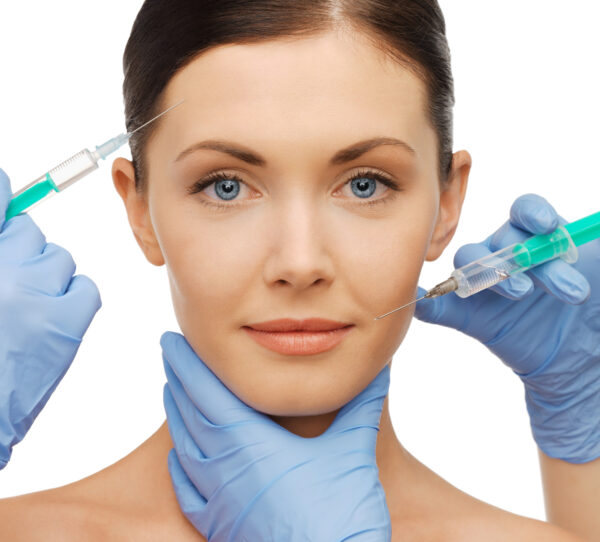
The use of fillers can be extremely dangerous to one’s health if the source of the filler is unclear or if a cheaper product is used.
In the aesthetic revolution that modern cosmetology has spawned, 59% of respondents likened getting a “tweak” to getting a manicure.
Because of the widespread availability of fillers and Botox, a standard of beauty has emerged that is both unrealistic and unattainable for most people. This is the “Kylie Jenner Package,” as some unqualified aestheticians have dubbed it.
In the United Kingdom, the market for non-invasive medical procedures is valued at around $4.6 billion. And while non-invasive procedures can be game-changers in the right hands, and are generally safe, in the wrong hands they can cause serious damage. The death of model Ashten Gourkani has been attributed to injections she received from an “unlicensed” medical professional.
The current trend of using fillers or putting any faith in their low cost is misguided. How some clinics can offer 1 mL lip procedures for as little as £99 ($125) when a syringe of high-quality filler can cost hundreds is a mystery.
When the source of the filler is unknown or when a cheaper product is used (which is typically the case), the use of fillers can pose serious health risks.
It is possible that the composition of this filler is unknown, which could increase the risk of failure and infection, reduce the patient’s lifespan, and result in unfavorable outcomes.
Current regulations make it possible for anyone with a few hours of training to inject fillers. Unlike pharmaceuticals, fillers are not subject to the same strict regulations. However, Botox requires a medical professional’s prescription and is strictly controlled. In spite of this, unlicensed medical professionals continue to be successful in obtaining it.
It is highly questionable whether or not a non-medical person could demonstrate sufficient competence in anatomy and physiology through the completion of such a course.
Should a problem arise, medical staff will be equipped with the necessary knowledge to handle it.
Since the face is a complex anatomical structure, injecting into it requires extra care. This pertains to the specifics of the injection itself, such as the location, orientation, depth, and direction of the needle.
According to the research paper by Walker et al. (2018), there have been a total of 98 extremely rare reports of blindness. This shows how potentially “dangerous” filler work can be, despite the fact that it did not disclose which type of practitioner—medical or non-medical—was responsible for it.
Understanding the client’s needs and motivations is, however, just as crucial.

Medical personnel should prioritize patient safety when making treatment decisions involving filler.
Medical professionals should adopt a “safety first” mentality when deciding who gets filler and why.
In order to get to the bottom of what drives each individual client, it is now standard practice to conduct a psychological evaluation and determine the patient’s mental capacity to consent to treatment, with some consultations taking as long as an hour.
A doctor’s primary concern is always the well-being of their patient, not making a quick buck or expanding their clientele. There is no universal solution. Every patient is unique, and their care plan should reflect that by addressing their specific issues and concerns, fitting their age and appearance, and avoiding unnecessary procedures.
Anyone considering filler work should take the following important factors into account:
- Whether the provider possesses a valid medical license
- Getting to know the injector and feeling comfortable with them is important, but remember that price isn’t always indicative of how competent they are.
- Consultations are invaluable opportunities to learn more about the process and get your questions answered.
In 2021, the government began its crackdown on cosmetic procedures and prohibited minors from receiving injectables.
An amendment was brought forward to the Health and Care Act 2022 in the preceding year in order to facilitate the establishment of a national licensing system for non-surgical cosmetic procedures throughout the entirety of England.
Under the new rules, it will be illegal for unqualified individuals to perform medical procedures on patients. After public and stakeholder input is considered, specific treatments may require a license.
Botox and filler treatments for cosmetic purposes are illegal for those under the age of 18, and advertisements for cosmetic procedures on television and social media are prohibited for people under the age of 18.
They are moving forward with plans to introduce a licensing scheme in England that will make it illegal for unlicensed individuals to perform certain non-surgical cosmetic procedures.
It is possible to learn how to administer Botox injections without running the risk of experiencing adverse effects by participating in Dentox, an educational program that is designed for professionals working in the fields of medicine and aesthetics. Contact Dr. Howard Katz to find out more about Dentox programs.
You also have the option of enrolling in a live online or on-demand course or going to a seminar in person at one of the numerous locations spread out across the United States. To access online courses for botox training, please go to https://dentox.com/all-courses/botox-training/, and to access live courses with actual patients, please go to https://dentox.com/live-courses/.
Worries about the safety of injectable cosmetics in New Zealand


Standing orders, which are comparable to prescriptions, are issued by doctors to ensure that injectables are approved and that nurses are held accountable when they administer them in a clinic.
What used to be exclusive to Hollywood’s reality TV shows is now available at your local convenience store for as little as $70.
In spite of the rise in availability, affordability, and popularity of cosmetic injectables, there are some who are concerned that New Zealand’s regulations are not strict enough.
What used to be exclusive to Hollywood’s reality TV shows is now available at your local convenience store for as little as $70.
In spite of the rise in availability, affordability, and popularity of cosmetic injectables, there are some who are concerned that New Zealand’s regulations are not strict enough.
Costs for derma filler, which is injected subcutaneously to plump up the skin in specific areas of the face, can range from $400 to over $1200.
Less expensive than other areas, the lips are a popular place to get injections, with a temporary ‘lip flip’ injection costing as little as $70.
Bella, a woman who had wanted to get lip enhancement for a long time, finally went to a store to do so. She only required 1 milliliter, which would cost her around $480.
However, the outcome was not what she had anticipated.
Bella complained that the nurse only gave her a cursory explanation of what filler was before administering it without providing any information about the potential side effects.
My lips looked like sausages and it was horrible. After that, I thought, “Oh my god, what have I done?”
Bella didn’t find out that the first doctor who administered lip filler to her didn’t administer it in the correct place until a year later when she went to see a different doctor.
In order for injectables to be approved and the nurse administering them to be held accountable, a clinic needs a doctor to issue a standing order, which is similar to a prescription.
However, there are no mandated ratios, so large chain pharmacies may have only a few doctors responsible for supervising a large number of nurses.
One New Zealand physician says she sees far too many patients with allegedly “botched” procedures. After that, she will need to add the price of dissolving the filler and possibly redoing it if they so choose.
It’s hard to tell exactly how many people have had a procedure done, but estimates put the number between 5 and 10 percent, and it’s on the rise as more clinics appear.
Several well-known Australian retail franchises have recently opened up shops in New Zealand.
The combination of loose regulations in New Zealand and the ability of large franchises to buy injectables in bulk at lower prices has resulted in a market where consumers need to be cautious.
Anyone seeking medical care should probe into the practitioner’s background by inquiring about their education, the number of procedures they have performed, and their connection to the doctor who issues standing orders.
In addition, it should serve as a major warning sign if customers are subjected to high-pressure sales techniques or otherwise pushed into making a purchase.
Managing patients’ expectations before, during, and after a procedure is a major challenge for practitioners.
Australian cosmetics standards have been under scrutiny for years, and the country has just introduced strict new regulations in response to these concerns.

Each patient will be subjected to a mental health and body dysmorphia screening as part of the doctor’s evaluation.
The doctor will conduct a mental health and body dysmorphia screening on each patient as part of the evaluation process.
The use of terms like “perfect,” “hot,” and “younger” in advertisements for cosmetic procedures will be prohibited.
There will also be a waiting period between the consultation and the procedure, something that Bella did not have.
The ease with which one can go and get their lips, cheeks, or jaw done is somewhat concerning because of the potential risk involved.
The Medical Council has issued a statement outlining the requirements it has for medical professionals who perform cosmetic procedures, whether surgical or not.
The primary aim of the statement is to guarantee the public’s safety by ensuring that only medical professionals with the requisite competence (knowledge, skills, and experience) perform cosmetic procedures.
Practitioners “should be very cautious” when considering whether to agree to a procedure for a patient who is in the midst of a mental health crisis, has a history of persistent body dysmorphia, or appears unable to make a decision or fully weigh the consequences.
Staff training requirements under standing orders are not covered by the statement.
However, a council spokesperson said that in light of recent events in Australia, the council is reviewing the statement and strategy it issued in 2017.
Dentox is a training program for medical and aesthetic professionals that teach them how to inject Botox safely and effectively, with minimal waste. If you’re interested in Dentox training, please contact Dr. Howard Katz.
You could also sign up for a live online or on-demand course, or go to a seminar at one of many locations across the United States. Visit https://dentox.com/live-courses/ and https://dentox.com/all-courses/ to learn more about our live courses as well as our online ones.
After turning 60, Tom Cruise may have spent up to $50k on cosmetic procedures, but is it true that Botox is too heavy?

A plastic surgeon has said that Tom Cruise could have started his 60th year at an “inflection point” with his appearance by undergoing cosmetic surgery.

Famous actor Tom Cruise has been seen out and about more often since July, when he was said to have slimmed down and his skin tone improved.
Tom may be wary of taking any risks with his appearance after his recent appearance at an event in Miami, where he was seen giving Shakira a lot of attention.
The well-known movie star has been spotted at numerous events since July, flaunting smoother skin and a sharper jawline.
On May 7, Tom was spotted mingling at the 2023 Miami Formula One Grand Prix.
His disheveled brown hair and dark glasses complemented his tanned, muscular body.
A plastic surgeon said exclusively to The U.S. Sun, “Over the years, it is possible that he may have spent up to $50,000 on cosmetic treatments.” In his opinion, Tom is only getting started.
A plastic surgeon remarks that Tom’s forehead looked as smooth as a drum during the Academy Awards.
He said, “This seems like a quite significant Botox to me on his forehead, alluding to the drooping brows that the injections can cause.”
When administering Botox to men, he prefers a less aggressive approach. He does not believe that men require the full removal of lines.
Tom smiles with raised eyebrows and forehead lines in old photos.
“Tom had deep forehead lines in 2018, and by 2022, I’d be convinced he’d just had Botox,” remarked a renowned surgeon.
For instance, he first suspected that Tom had Botox when he saw photos of him at a luncheon for Oscar nominees in February.
“It’s fascinating that he may have waited so long to get Botox.”
“Cruise is not the only one encouraging cosmetic work. But some sections of Instagram delay beginning “preventative” injections in your 20s.”
“Tom may have undergone a few minor cosmetic procedures over the course of his life,” he said.
“There are possibilities for functional rhinoplasty, laser skin resurfacing, and possibly even some lipo under the chin.”
“Cruise may have spent as much as $50,000 on cosmetic procedures.”
“A single session of laser resurfacing can set him back $4,000-$5,000.”
“Functional rhinoplasty, the name given to nose surgery, can cost $30–40,000, while liposuction can run $5–10,000.”
“The cost of Botox is approximately $1,000.”
Fans of Cruise have questioned his artistic authenticity due to his seemingly perpetual youth.

Rumors that Tom has undergone plastic surgery are false.
Tom has previously refuted rumors that he has ever had plastic surgery.
In 2012, he responded to a question in Playboy magazine about whether or not he had ever had plastic surgery by saying, “I haven’t, and I never would.”
But as time has passed, the criticism of the actor’s nose, white Hollywood smile, puffy face, and thicker hairline has only increased.
Looking at old photos of Tom, the surgeon speculated that he may have undergone functional rhinoplasty before 2005.
This would have been near the nasal bones rather than the tip.
The surgeon remarked, “Looking at older pictures, you can see that it’s ever so slightly skewed.”
“He began to notice a slight straightening and contouring of his nose around 2005.”
“Tom may have undergone chin lipo in any other case.”
“This could have happened between 2013 and 2014, under his chin.”
“But by 2020, a photo of him will make him look surprisingly young,” he added.
“He appears to have very smooth skin, which makes me think he was preparing for Mission Impossible at the time.”
“It’s also possible that he underwent a resurfacing procedure, such as laser resurfacing, in the year 2020.”
“This would make everything silky smooth.”
The doctor continued, “Someone like Tom has always had a very low-set brow and heavier upper lids,” referring to Tom before and after his recent cosmetic work.
Tom is someone who shouldn’t undergo an upper lid procedure because it will drastically alter the appearance of his eyes.
“I’ve grown accustomed to him having heavier upper lids as part of his appearance over the years.”
Surgeons have noticed that the actor is taking better care of his appearance as he ages.
“Overall, Tom has aged well, and his bone structure, particularly his jaw, is part of what allows him to age this way,” he said.
“Tom’s jaw is solid and well-defined, which will serve him well.”
“I don’t think Tom’s crow’s feet are the only place he’s had Botox injections.”
He continued, “I don’t see any obvious signs of filler anywhere on his face, either, so perhaps the new Botox is just the beginning.”
“Those lines between his eyebrows are still quite deep, so I don’t think he’s finished.”
“He’s been working those lines for a while, so he’s probably cautious.”
“He doesn’t look like a volume-deficient guy, so I don’t think he’ll start getting filler,” a surgeon said.
“I don’t think he’s ever had a facelift, and he doesn’t look like he needs one,” he continued.
He remarked, “Because Tom plays so many roles in which he is younger, I’m guessing he’ll begin doing more skin maintenance treatments now.”
Botox can be very dangerous if it falls into the wrong hands. Botox is safe and effective when administered by trained medical professionals. They know how to deliver it so that it has the greatest possible effect.
Dentox is a training program for doctors and other medical personnel to master the art of Botox injections. Visit https://dentox.com/live-courses/ and https://dentox.com/botox-training/ for more information on online and in-person patient training courses, respectively.
The Notox Fever: Here’s Everything You Need to Know
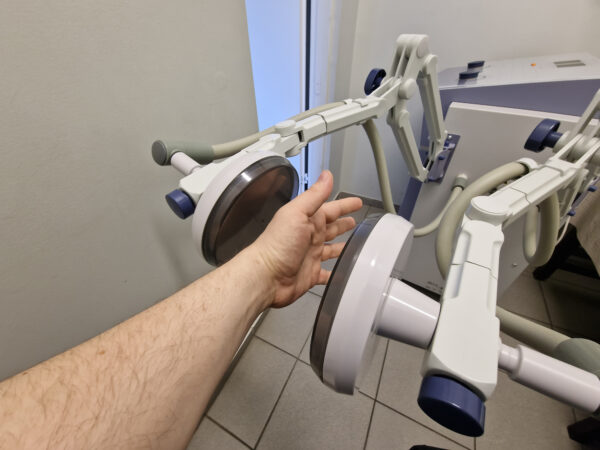
Notox-RF, a non-invasive cosmetic therapy, uses RF energy. This non-surgical technique lifts and tightens skin.
You might be familiar with Botox, a well-known injectable treatment for smoothing out wrinkles and fine lines, but are you familiar with Notox?
Just what is Notox, anyway?
Radiofrequency (RF) energy is used in the non-invasive cosmetic treatment known as Notox, which is also commonly referred to as Notox-RF. Without requiring surgery, this procedure aims to tighten and lift the skin. It’s a non-surgical method of rejuvenating the skin that can make wrinkles, fine lines, and saggy skin less noticeable.
How it functions
In a Notox-RF procedure, RF energy is transmitted from a handheld device to the dermal layers of the skin. Collagen and elastin, two building blocks of healthy skin that are responsible for its firmness and elasticity, are produced at an accelerated rate due to the heat generated by the RF energy. Over time, the treated area develops a more youthful appearance with increased firmness and smoothness.
Although Notox-RF is most commonly used on the face and neck, it can be applied anywhere on the body where sagging skin is a problem. It is typically regarded as safe, has few side effects, and doesn’t need any recovery time. It’s important to remember, though, that Notox-RF isn’t a miracle cure, and you may need touch-up sessions to keep your results looking their best.
Notox-RF’s Advantages
- Skin tightening: Notox-RF tightens the skin by heating the deeper skin layers and triggering the synthesis of collagen and elastin. In order for the skin to be firm and elastic, these essential components are necessary. The procedure can therefore aid in tightening saggy skin and enhance the appearance of jowls, neck, and cheeks that are drooping.
- Wrinkle removal: It can help get rid of crow’s feet, frown lines, and smile lines, among others, on the face. RF energy’s thermal effects encourage the body to make more collagen and elastin, two proteins that give skin its firmness and elasticity.
- Skin tone and texture improvement: The Notox trend can aid in skin tone and texture improvement. The procedure can enhance skin elasticity, minimize the look of pores, and clear up blemishes by promoting the production of collagen and elastin.
- Non-invasive: Notox-RF is a non-invasive procedure that doesn’t involve any downtime like surgery, which necessitates incisions, anesthesia, and recovery time.
Notox-RF Adverse Effects and Risks
- Pain or discomfort: If the treatment area is sensitive, you may feel some pain or discomfort during the procedure.
- Swelling/redness: It is possible to experience some swelling/redness after the procedure in the area(s) that were treated. This should calm down after a few days.
- Bruising: Occasionally, bruising can appear around the treated area, but this is usually only temporary and goes away on its own.
- Allergic reactions: It is possible that you could have an allergic reaction to the treatment if you are sensitive to any of the ingredients.
- Infection: The risk of infection is elevated in any cosmetic procedure that creates a break in the skin. It’s crucial that the procedure takes place in a clean, controlled setting, under the supervision of a qualified medical expert.
- Fat necroses: In some cases, it may cause fat necroses (the death of fat cells under the skin), which can have a negative impact on the rejuvenation process.
- Scarring: Atrophic scars may form, which may be difficult to treat.
- Cancer: Although some studies have suggested a connection between radiofrequency exposure and the disease, more research is still needed.
Which is better, Botox or Notox-RF?
Radiofrequency treatment is optimal in the 30s and 40s, when there is less skin to be removed. In patients with a great deal of excess skin (common in those in their 50s and 60s), there is a good chance that this treatment will not be effective without additional measures.
Overall, Botox remains the most effective method for preserving a youthful appearance. Botox injections have medical uses in addition to their popularity in the cosmetic industry.
Dentox helps medical practitioners master the art of giving Botox injections. You can enroll in a seminar at any of our many U.S. locations, or you can take advantage of our live and on-demand online learning options. Visit https://dentox.com/live-courses/ and https://dentox.com/all-courses/ to learn more about our in-person and online training, respectively.
The Unconventional Approach to Treating Plantar Fasciitis
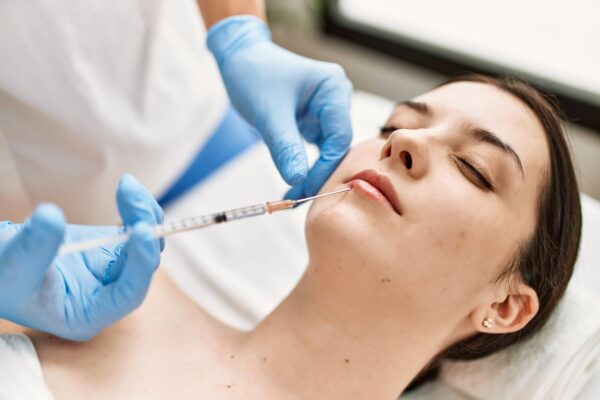
Botox, an unlikely candidate for treating a common running injury, shows promise. Although Botox is more commonly associated with a way for the Real Housewives of Anywhere to turn back the clock, it has been approved by the Food and Drug Administration for the treatment of a number of other, more serious medical conditions, such as limb spasticity following a stroke, overactive muscle disorders, excessive sweating, and chronic migraines. In order to alleviate the pain associated with plantar fasciitis, a common issue among runners, one of the world’s leading experts on Botox’s therapeutic uses has been administering injections of the drug for quite some time.
Just as Botox is injected beneath the skin to temporarily smooth out wrinkles, it can be injected into the inflamed ligament that runs underneath your foot to temporarily relieve pain and pressure (by paralyzing the muscles and allowing them to relax). One medical professional estimates that 150 patients have been cured of plantar fasciitis. This condition causes inflammation of the tissue that runs from the bottoms of the feet to the bottoms of the heels.
A Glimpse of Plantar Fasciitis
Plantar fasciitis is a foot condition that no one seems to understand. Athletes frequently suffer from plantar fasciitis (10% or so), making it one of the most prevalent running injuries. Inflammation of the plantar fascia, a ligament that runs from the heel to the toes, and the sensory nerves in its vicinity can result from increased mileage, abnormal foot structure, or wearing shoes that aren’t well suited for running. The morning pain upon rising is usually the worst, with relief coming later in the day as the ligament relaxes from its stretched position.
When plantar fasciitis is left untreated for an extended period of time, the acute inflammation subsides as the ligament adapts to the stress. Although that may be reassuring to hear, the reality is that even minor nerve damage can result in chronic pain.
Orthotics, regular stretching, and cortisone injections have all been used in the past to treat this condition, but recent research has shown that cortisone may actually exacerbate the disease by dissolving the foot’s fat pad.
Numerous studies have shown that amniotic tissue is effective in treating Amniotic tissue, obtained from the umbilical cord and other postpartum remnants, is injected into the injured area to stimulate the body’s natural healing. Due to the treatment’s reliance on short-term inflammation, patients may experience worsening of their symptoms as the injury heals. With Botox, however, patients rarely report any discomfort. If you’ve read the studies and found the possible benefits interesting, you might start recommending this treatment to your patients who have plantar fasciitis and a nerve problem.
The Science Behind Botox
Made from a very diluted form of the botulism toxin, Botox prevents nerve impulses from being sent between the brain and the muscles. Patients may be able to heal on their own over time with the help of stretching exercises and this medication, which helps relax the tissues around the plantar fascia but does not slow the healing process like cortisone. While many patients only need a single injection to see improvement, those with more severe symptoms may need to repeat the process every three months.
What the Research Shows
In a number of published medical studies, botox injections have been found to be more effective than placebos or steroids. Patients treated with Botox in a small study recovered from their injuries more quickly and remained healthy for a longer period of time than those treated with steroids. Compared to injecting steroids, which can cause plantar fascia rupture in as many as 6% of patients, this method has fewer side effects and is overall safer.
What to Look for to Determine If It Suits You
Botox injections are a viable option if non-steroidal therapies like physical therapy, orthotics, and rest have been unsuccessful. While the typical recovery time for most treatments is around six weeks, the majority of the doctor’s patients are able to return to their workouts three to seven days after receiving injections.
Since Botox has not been approved by the FDA for the treatment of plantar fasciitis, many insurance providers may be initially reluctant to cover the expense (which could reach $500 per treatment), and it may be more challenging to find a doctor who will use it or has experience using it (since fewer doctors are willing to use it). The millions of runners, hikers, and other outdoor sports who deal with the discomfort may find the expense and inconvenience to be worthwhile.
Assuming the FDA greenlights Botox for plantar fasciitis, Perler thinks it could also be used to treat Achilles tendinitis, plantar fibromatosis, and chronic exertional compartment syndrome, all of which are common complaints among runners.
Because Botox lingers in the part of the body where it is injected, adverse effects such as muscle stiffness, neck or back discomfort, and itching are exceedingly rare when Botox is injected to treat plantar fasciitis.
The best thing this treatment might do is make your foot smoother and less wrinkled.
Botched lip filler procedures in the UK have prompted calls for stricter regulation
Despite their rising popularity, lip fillers are still “like the wild west,” as many patients experience pain and embarrassment after undergoing the procedure.
Harriet Green, a call center agent, received an injection to make her lips look fuller and was assured that the swelling would go down as she left the salon.
However, even after three months, her lips remained so swollen that she had difficulty closing her mouth.
To restore them to normalcy, the 22-year-old from Acle, Norfolk, required three corrective procedures costing a total of over £700.
“My lips were in such discomfort. I had two really hard lumps, so I couldn’t put them together,” she explains.
Harriet decided to get cosmetic surgery last December.
She decided to get lip enhancement after seeing social media influencers advertise procedures like jaw fillers, anti-wrinkle injections, and lip enhancements. She hoped the procedure would help her overcome “a small insecurity” she had about her lips.
She simply believed that she wanted it done due to the standards of her generation and the prevalence of social media in today’s society. There is a tremendous amount of pressure, and a lot of people are talking about it. It appears to be the appropriate action to take under the circumstances.
However, Harriet has come to terms with the fact that the business world is a “minefield” and that social media images “don’t always show you the reality.”
I can’t even begin to describe how terrifying it is. The end result isn’t always apparent, even after a few months. She continued, “I’m just as insecure when I smile as I was before.
The issue is only getting worse
Harriet has spent over £700 having her lips fixed by a GP in Norwich who also operates her own aesthetic clinic. The initial treatment cost £165. She claims that the doctor is having to correct treatments that have gone wrong more frequently and calls the situation “really distressing.”
She says that every month, a new batch of young women contact her after experiencing undesirable side effects from the lip or tear-through fillers administered by a non-medical practitioner.
They frequently make an attempt to get in touch with the practitioner but are unable to handle the complications because of their inexperience. As time goes on, the issue only worsens.
The industry is “like the wild west,” the doctor says, with practitioners administering injections “out of the back of their cars” and even in their own kitchens.
Prescriptions are required in order to receive Botox injections, but anyone who has taken the required one-day training course can inject the drug. Lip and face dermal filler is available for purchase from any online pharmacy without a doctor’s prescription.
Many people who aren’t medical professionals buy filler online, often without checking its origin. More stringent rules and mandatory education/experience requirements are required.
According to a survey conducted annually by a British health organization, 82% of its 400 members dealt with patients who had complications due to the work of another provider in the previous year.
It found that nearly 2,000 (59% of all reported complications) were the result of treatments administered by beauty professionals.
Last year, three complications per 1,000 dermal filler treatments were reported, compared to 1.5 complications per 1,000 dermal filler treatments in 2021. This demonstrates how dangerous dermal fillers can be in the wrong hands.
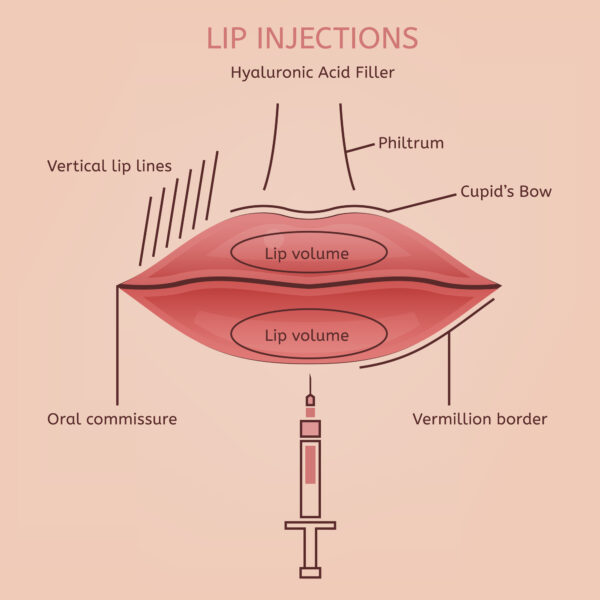
The use of dermal fillers can be dangerous in the wrong hands.
Permanent blindness is a possibility.
The use of dermal fillers presents a unique challenge because “anyone can inject them” and the procedure is inherently riskier than others in the cosmetic industry.
Potential risks include permanent blindness. It’s extremely uncommon, but there have been reported cases in the UK.
Another possible complication is vascular occlusion, in which a blood vessel is blocked, preventing blood from reaching its intended destination.
For over a decade, dermatologists have fretted over the industry’s lack of regulation and safety risks.
People who inject are becoming more transient; they can be active on Instagram one day and then disappear the next, and they often exaggerate or fabricate their credentials.
Those interested in cosmetic surgery must take responsibility for finding a qualified specialist who is board certified and a member of a professional organization or voluntary registry.
Earlier this year, lawmakers demanded that the government of England implement a mandatory licensing scheme to regulate non-surgical cosmetic procedures, but the government ultimately declined to do so.
Ministers also opposed recommendations to limit access to dermal fillers, like Botox, to medical professionals only.
The Department of Health and Social Care has stated that it will hold a consultation this summer on the scheme that will make it illegal to perform certain non-surgical procedures without a license.
Before deciding to go through with a cosmetic procedure, anyone should give careful thought to how it might affect their mental and physical well-being, and if they do decide to go through with it, they should take the time to find a reputable, insured, and qualified surgeon.
The plan will arrive too late, but after three procedures, Harriet is finally satisfied with her lips and is working to restore her self-esteem.
It is hoped that by speaking out, she will inspire other women to make more educated decisions in their own lives.
Lip filler is just one example; if you’re considering getting any sort of cosmetic enhancement, it’s important to do your homework and not base your decision on the photos people post on social media.
Dentox is a program designed to teach medical and aesthetic professionals how to safely and effectively inject Botox without causing any unwanted side effects. If you want more information about Dentox programs, you should contact Dr. Howard Katz.
Check out https://dentox.com/all-courses/botox-training/ for online options, and https://dentox.com/live-courses/ for in-person instruction using actual patients.
Is Jennifer Aniston Reversing Her Own Age Naturally, or Is It Botox?


Jennifer’s flawless appearance prompted rumors of plastic surgery.
Have you ever wondered what Jennifer Aniston does to maintain her ageless beauty? Has she ever undergone treatment with Botox or fillers?
Actress Jennifer Aniston shot to fame after playing Rachel Green on the hit American sitcom Friends. Because of her stunning appearance, impressive acting chops, and impeccable style, she stands out from the crowd. Being one of the A-list actresses in Hollywood brings with it a great deal of controversy, ranging from personal affairs to plastic surgery. Nevertheless, have you ever pondered the question of what the key is to her everlasting beauty? Is there any part of her face that a surgeon hasn’t worked on at some point?
Keep reading to find out what happens next.
Due to the fact that Jennifer’s forehead is flawless and free of wrinkles and that her nose is perfectly shaped, her name has frequently been brought up in conversations about plastic surgery. On the other hand, the actress, who is in her mid-50s, is a proponent of natural aging. That’s exactly right.
Jennifer Aniston once told Bobbi Brown, the Chief Editor of Yahoo Beauty, that she believes in natural aging and has no interest in injecting any Botox or fillers to achieve flawless skin. One possible interpretation of her remarks is that she has observed women making efforts to delay the onset of old age through various means. I am thankful that I was able to learn from their mistakes, as I will not be injecting Botox into my face. They make my heart hurt every time I see them. Every time I see you, the thought crosses my mind, Oh God, if you only knew how much older you look. They are desperately trying to slow down the passage of time, but all you can see is an insecure person who refuses to grow older the way they were meant to.”
Jennifer Aniston went on to talk about her ex-fiancé, Justin Theroux, revealing that he was very against getting any kind of cosmetic enhancement, including Botox and fillers. She continued, “I also have a fiance who will put a gun to my head if I touch my face in any way.”
Jennifer’s perpetually glowing appearance fueled widespread speculation that she had plastic surgery. After that, it was revealed that the star of Murder Mystery 2 had undergone laser treatment to remove the first few layers of her skin, resulting in an inner glow. She had previously stated, “I did something called a peel,” in a 2014 television interview. You don’t notice that you look like a burn victim until a week later, and then it just sort of falls off.
Rumors also circulated that Jennifer Aniston had undergone cosmetic nose surgery, but the actress dispelled those rumors by revealing that she had, in fact, undergone surgery on her nose—though for medical reasons, not aesthetic ones. In her twenties, she experienced difficulty and required surgery to fix a deviated septum.
You’ve finally uncovered the key to Jen’s youthful glow.
Does Winnipeg’s millennials’ love of fillers indicate “very unrealistic expectations”?


Studies have linked excessive social media use to negative body image and eating disorders.
A plastic surgeon in Winnipeg noted that although the number of patients from Generation Z seeking cosmetic procedures is on the rise in the United States, this particular group is more likely to opt for non-invasive treatments like Botox.
A recent survey conducted in the United States found that 75% of facial plastic surgeons expect a rise in the number of patients under the age of 30 seeking cosmetic procedures or injectables in 2022.
If you look at the data from the past five years, you’ll see a consistent growth pattern.
Although a double board-certified plastic surgeon hasn’t noticed a rise in the number of patients under 30 seeking treatment at his clinic and surgery facility in Winnipeg, he has noticed a growing trend among that age group toward injectables in an effort to achieve an aesthetic made popular on social media.
Big lips were somewhat of a huge trend a few years ago, but that has since started to fade. Younger patients are increasingly seeking out Botox, and they do so for preventative rather than curative reasons.
Besides Barbie noses and chin implants, the plastic surgeon says buccal fat reduction and chin augmentation are also popular cosmetic procedures right now.
No matter the patient’s age, they should consider these procedures as permanent as a tattoo and keep in mind that styles come and go.
A competent doctor will not perform a facelift on a patient who is only 20 years old, for instance, because the procedure is not appropriate for someone of that age. Patient education is sometimes necessary.
Patients with body dysmorphic disorder may, for instance, present to the doctor with complaints like “my face is disfigured or asymmetrical,” despite the doctor’s examination revealing no such abnormalities.
Social Media’s Connection to Body Image Problems
The prevalence of social media has a significant impact on today’s standards of beauty.
Regrettably, social media doesn’t always act in a constructive manner. Some patients’ expectations are greatly exaggerated as a result of seeing photoshopped images on the site.
Multiple studies have found an association between excessive social media use and negative body image and eating disorders.
People who spend a lot of time on social media are more likely to have self-esteem issues and worry about what other people think of them.
However, the results of these studies do not prove a causal relationship. It’s possible that people who have more concerns about their body image tend to spend more time on social media. But could it also work the other way around?
The impact that social media has had on people’s perceptions of their bodies should be a source of concern. Learning to recognize the signs of media overload and limiting one’s exposure to these platforms are two strategies for dealing with this issue.
The use of social media in constructive ways is possible, and some of these ways include encouraging self-expression and creativity as well as a sense of community.
Do you control your use of social media, or do you feel that it controls you?
Many young people’s careless approaches to and extensive use of social media platforms inevitably lead to negative outcomes.
Parents play a crucial role in their children’s sense of self-worth
It is not enough to simply remove harmful online images of beauty standards if we want to improve young people’s body image. Instead, parents and caregivers should keep an eye on their children’s social media use, have open conversations with them about what they see, and act as positive role models for self-love.
Language is incredibly potent and crucial. Fat shaming has become commonplace in our culture. We tell each other over the dinner table, “I can’t eat that” or “It’s my cheat day.”
When children observe their parents enjoying life and being comfortable in their own skin, those emotions are transmitted to them.
Parents play an essential role in safeguarding their children from the risks associated with the use of social media. Technology is most useful when it complements rather than replaces interpersonal connections.
The likelihood of these detrimental effects occurring in young people is lower when they have aspirations in life. When people have a higher sense of self-worth, they are less likely to make unfavorable internal comparisons.
Instructions on using Botox are now available for medical professionals. Visit https://dentox.com/all-courses/ for online options or https://dentox.com/live-courses/ to participate in classes alongside real patients. Learning how to improve one’s health, appearance, and vision can greatly enhance a patient’s quality of life.
Marketing mistakes to avoid in the field of facial aesthetics

Similar to many other facial aesthetic procedures, Botox is a prescription-only medicine (POM), so advertising for it should be restricted.
Your facial aesthetics business could benefit from a wide variety of different marketing strategies. Websites and social media promotion were among the items included.
Botox, like many other facial aesthetic treatments, is a prescription-only medicine (POM), so there are strict regulations regarding its promotion.
It is against the law to advertise Botox or Botox treatments
The Committee for Advertising Practice and the Advertising Standards Agency have stated that it is illegal to advertise Botox or Botox treatments to the general public in any way. This applies to all forms of media, including websites and social media platforms, as well as paid advertisements and unpaid marketing posts or communications.
Because of this, Botox is unable to advertise on the website or any of the social media platforms. Some medical professionals refer to it as an “anti-wrinkle treatment,” even though this term could just as easily refer to dermal filler or any number of other skin treatments. On the other hand, there is some disagreement as to whether or not this is admitted.
You might consider advertising the consultation for these treatments instead. Therefore, you should not hesitate to promote a “consultation with a medical professional to discuss anti-aging treatments.” It is a standard best practice to ensure that you offer other anti-aging treatments that do not involve POMs.
It is also essential to make sure that prospective clients are aware of the necessity of a consultation as well as a comprehensive evaluation performed by the medical professional, the results of which may or may not result in the provision of treatment with Botox.
Aesthetic facial procedures before and after images
Showing before and after pictures of Botox is also discouraged because it could be interpreted as advertising for the POM treatments. When showing before and after pictures of facial aesthetic treatments, one needs to make sure that the purpose of the display is to showcase work, provide value, educate the audience, and not play on the audience’s insecurities.
Displaying the prices of specific treatments is also discouraged because doing so may sway a potential client’s choice. Following the initial consultation that the client has with the practitioner, the practitioner will be able to provide the client with an estimate of the cost of the treatment that they will be receiving. There needs to be enough time for clients to cool off and think about their options.
It should go without saying that you are not permitted to edit the images that are being displayed. However, there are some practitioners who might want to edit some imperfections as long as they are not related to the treatment that is being displayed. For instance, when comparing the before and after results of lip augmentation with dermal filler, blemishes on the skin may need to be removed.
The principle of transparency is extremely important, and we have a duty to make certain that clients are not being deceived in any way.
Dentox educates medical personnel on the best methods for safely and effectively injecting patients with Botox. You will be able to make a positive impact on the lives of your patients if you acquire new skills that will help them improve their appearance, health, and vision. Courses are available online at https://dentox.com/all-courses/ and in-person with actual patients at https://dentox.com/live-courses/.
Just How Crucial Botox Education Is for Nurses


Nurses who take Botox injection courses will learn how to examine patients’ faces, choose the best injection locations, and properly administer Botox.
One of the most common cosmetic procedures performed worldwide, Botox injections continue to gain popularity year after year. Although Botox injections are commonly associated with the beauty industry, they also have many legitimate medical uses. Since Botox injections are becoming increasingly popular, many nurses are thinking about taking courses to learn how to administer them.
Learn about the importance of Botox training for nurses and the many ways in which it can help patients.
Botox’s Medical Potential
Understanding the medical applications of Botox is crucial before delving into why nurses should consider Botox training. Clostridium botulinum is the bacterium responsible for making the neurotoxin botox. Various medical conditions can be effectively treated with its use because it temporarily paralyzes muscle activity. Examples of how Botox is used in medicine include the following:
- Migraine: People who experience migraines frequently may benefit from Botox injections. The injections work by preventing the body from making chemicals that contribute to pain and inflammation.
- Muscle spasms: Botox injections are used to treat muscle spasms in a variety of locations on the body, such as the neck, shoulders, and eyelids.
- Excessive sweating: Hyperhidrosis, or excessive sweating, is a condition that can be treated with Botox injections. Injections of the substance work by impeding nerves that trigger sweat glands.
- Bladder Dysfunction: Overactive bladders and other bladder dysfunctions can be treated with Botox injections.
The Urgency of Nurses Having Botox Training
- To Increase Their Capabilities: Nurses play a crucial role in the healthcare system and are accountable for a variety of patient care services. Nurses who receive Botox training can increase the range of services they provide to patients. They are qualified to administer Botox injections for medical as well as cosmetic purposes.
- To Address the Needs of Individual Patients: As the popularity of Botox treatments grows, more and more people are looking for medical professionals who offer the procedure. Educating themselves on Botox allows nurses to better serve their patients. This can be useful for nurses in retaining current patients and gaining new ones.
- To Offer Superior Medical Services: Botox injections are a medical procedure that requires trained professionals to carry out. Nurses who have received Botox training are better equipped to provide excellent care, which improves patient outcomes.
- To Coordinate Care with Other Medical Professionals: In order to provide the best care possible for their patients, nurses collaborate with other medical professionals. Nurses who have undergone Botox training are better able to collaborate with other medical professionals for the benefit of their patients. They are able to collaborate with other medical professionals to create individualized treatment plans for their patients.
Benefits of Botox Training for Nurses
- Possibilities for Professional Growth: New opportunities exist for nurses who acquire Botox training. They can find employment in places like cosmetic surgery clinics, dermatology offices, and health spas. Nurses who are interested in providing Botox injections to patients on a freelance basis can open their own clinics.
- Possibility of Gaining More Money: By learning how to administer Botox, nurses can boost their income. Since more people are willing to pay for the specialized care they provide, they are able to raise their prices. Commissions on Botox injections administered by nurses at medical spas and plastic surgery centers can significantly boost their income.
- Improved Training for Professionals: A nurse’s career prospects can be improved through Botox training. This demonstrates their dedication to their profession and their desire to provide the highest quality care to their patients by continuing their own education and training. To keep their nursing licenses current, nurses need to complete continuing education hours, and those hours can be earned through Botox training.
- Increased Contentment Among Patients: Whether for medical or aesthetic purposes, Botox injections can help patients feel better overall. Botox injections are a great way for nurses to boost their patients’ self-esteem and self-confidence. This has the potential to increase positive word-of-mouth and patient satisfaction and loyalty.
An Overview of Botox Education for Nurses
Nurses can expect to learn both the theory and practice of Botox administration during their training. The theoretical section discusses such topics as facial anatomy, muscle physiology, Botox indications and contraindications, and so on. The hands-on component includes practicing injection techniques on mannequins or actual patients under the watchful eye of a seasoned instructor.
Nurses who take Botox injection courses will learn how to assess patients’ faces thoroughly, determine the best injection sites, and administer Botox safely and effectively. They will also be taught how to deal with potential side effects like bruising, swelling, and unevenness.
In conclusion, nurses who are interested in expanding their skill set, responding to patients’ needs, delivering high-quality care, and fostering a team approach with other healthcare professionals will find that Botox training is essential. Nurses who receive Botox training can provide their patients with a wider range of services, as Botox injections have many medical applications. Besides, nurses who have received Botox training report increased job satisfaction, higher salaries, more opportunities for career advancement, and happier patients.
Dentox is a training program for medical professionals on how to safely inject Botox. Learn the latest techniques to make your patients healthier and happier. You can learn more about our online courses here: https://dentox.com/all-courses/botox-training/, and about our in-person patient training sessions here: https://dentox.com/live-courses/.


